

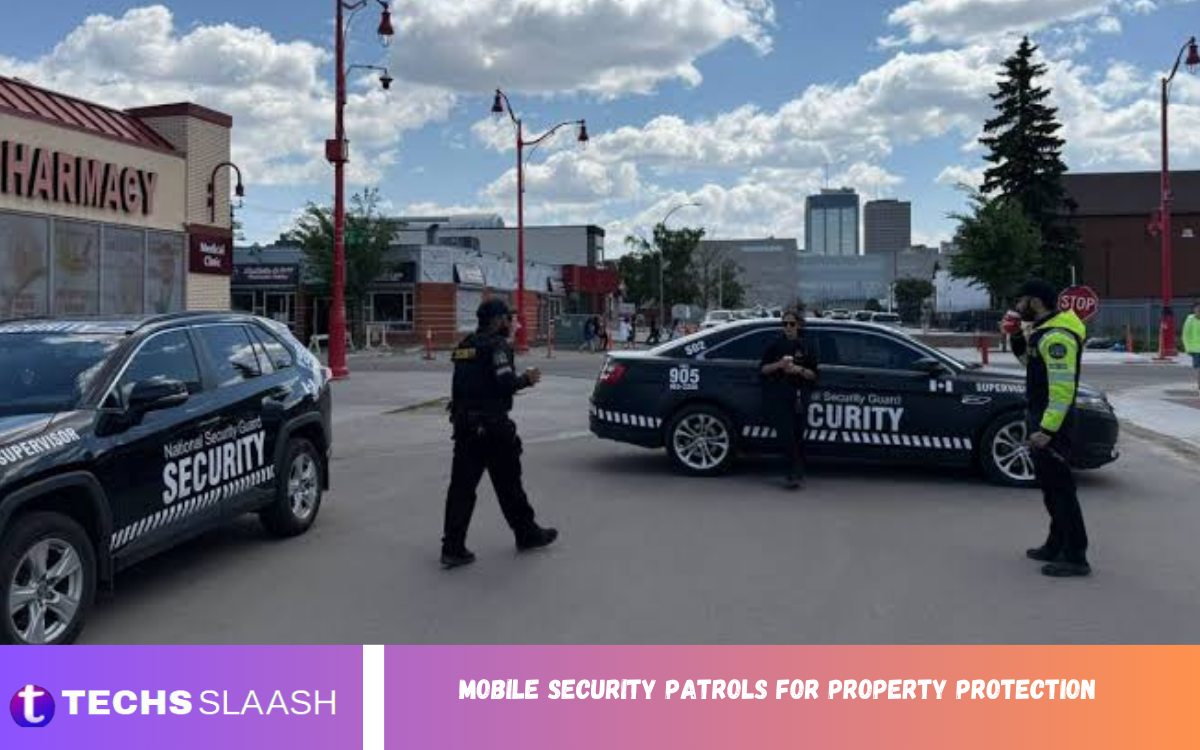
Mobile security patrols have become an effective solution for protecting residential, commercial, and industrial properties from security threats. Unlike stationary security guards, mobile patrol officers regularly move around a property or designated area, creating a visible security presence that can help deter trespassing, theft, vandalism, and other unwanted activities.
A key advantage of mobile security patrols is their flexibility. Patrol officers can conduct scheduled or random inspections, monitor entrances and exits, check doors and windows, identify suspicious activity, and respond quickly when an incident occurs.
What Are Mobile Security Patrols?
Mobile security patrols involve trained security professionals who regularly travel around a property or group of properties to monitor conditions and identify suspicious or unsafe activity. Instead of remaining at one fixed location, patrol officers move between different areas, checking entrances, gates, buildings, parking lots, fences, and other vulnerable points.
Patrol schedules can be customized according to the property’s specific needs. Officers may conduct scheduled visits, random checks, or continuous patrols during higher-risk periods. This flexibility makes mobile patrol services suitable for businesses, residential communities, construction sites, industrial facilities, and properties that require additional security coverage.
Why Mobile Patrols Improve Property Protection?
A visible security patrol can act as a strong deterrent against unwanted activity. Criminals are generally less likely to target locations where they believe their actions may be observed or interrupted. Regular patrols can therefore help reduce opportunities for theft, vandalism, trespassing, and other property-related offenses.
Mobile patrols also provide an active security presence rather than relying entirely on cameras, alarms, or passive security measures. Officers can physically inspect areas, notice unusual conditions, secure vulnerable access points, and report concerns to property owners or managers. This combination of visibility and human observation can strengthen an overall security strategy.
Rapid Response to Security Incidents
One major advantage of mobile security patrols is their ability to respond quickly when an incident is reported. When an alarm is activated, suspicious behavior is noticed, or a property manager requests assistance, nearby patrol officers may be able to reach the location faster than a team traveling from a distant central office.
Rapid response can be especially valuable for properties that operate outside normal business hours. A patrol officer can assess the situation, document visible issues, contact emergency services when appropriate, and follow established security procedures. Quick intervention can limit potential damage and provide property owners with important information about what happened.
Protection for Commercial Properties
Commercial properties often contain valuable equipment, inventory, documents, vehicles, and technology. Offices, retail locations, warehouses, and industrial facilities may also have multiple entrances and large outdoor areas that can be difficult to monitor effectively with a stationary guard.
Mobile security patrols can provide additional coverage across these areas while supporting existing security measures. Patrol officers can check loading zones, parking areas, perimeter fencing, doors, gates, and other vulnerable locations. Regular inspections can help identify security weaknesses and provide businesses with greater confidence that their premises are being monitored.
Mobile Patrols for Residential Communities
Residential communities also benefit from regular security patrols. Apartment complexes, gated communities, housing developments, and private neighborhoods can experience problems involving unauthorized visitors, vehicle theft, vandalism, property damage, or suspicious activity.
Patrol officers can monitor common areas, parking facilities, entrances, and community boundaries. Their presence can help residents feel safer while creating an additional layer of protection for homes and shared facilities. Patrol services can also be adjusted according to community schedules and identified security concerns.
Construction Site Security
Construction sites are often vulnerable because they may contain expensive tools, machinery, building materials, fuel, and equipment. Unoccupied sites can become attractive targets for theft, vandalism, trespassing, and unauthorized activity, particularly during evenings and weekends.
Mobile patrol officers can regularly inspect construction sites and check perimeter fencing, storage areas, access gates, equipment zones, and buildings under development. Patrol reports can help contractors identify problems and maintain a record of security checks. This approach can complement lighting, cameras, alarms, and physical barriers.
Read Also: AI Is Rewriting the Rules of PPC Advertising
Visible Deterrence Against Criminal Activity
The visibility of a marked patrol vehicle can make a significant difference in how a property is perceived by potential offenders. Regular patrols demonstrate that the location is not simply left unattended and that security personnel may arrive unexpectedly.
Randomized patrol schedules can make security coverage less predictable. Rather than allowing unauthorized individuals to learn exactly when officers will appear, varying patrol times can create uncertainty. This can strengthen the deterrent effect and encourage people to avoid attempting criminal activity on the property.
Security Checks and Property Inspections
Mobile patrol officers can perform detailed security checks based on instructions provided by the property owner or security company. These checks may include examining doors, windows, gates, fences, lighting, parking areas, and other designated locations for signs of damage or unusual activity.
Patrol inspections can also identify maintenance-related security concerns. A broken gate, damaged fence, failed exterior light, or unsecured door can create an immediate vulnerability. Reporting such issues quickly allows property managers to arrange repairs before a minor problem develops into a larger security incident.
Technology and Mobile Security Patrols
Modern mobile patrol services can work alongside technology to create stronger property protection. Security cameras, alarm systems, access-control equipment, GPS tracking, communication devices, and digital reporting tools can support officers during routine patrols and incident response.
Technology does not replace the value of physical security personnel. Cameras may record an event, but a patrol officer can physically investigate the situation and take appropriate action. Combining technology with human observation provides a more comprehensive approach to monitoring and protecting property.
Choosing the Right Mobile Security Patrol Service
Property owners should evaluate several factors before selecting a mobile security provider. Experience, officer training, availability, communication procedures, patrol frequency, reporting standards, and response capabilities are important considerations when comparing different services.
It is also important to choose a provider that understands the property’s specific risks. A warehouse may require different patrol procedures from an apartment complex or construction site. A customized security plan can ensure that patrol officers focus on vulnerable areas and follow clear instructions during routine inspections and emergencies.
Cost-Effective Property Security
Hiring a full-time security team may not be practical for every property. Smaller businesses, residential communities, vacant buildings, and construction projects may need regular security coverage without requiring an officer to remain on-site continuously.
Mobile security patrols can provide a flexible alternative by allowing property owners to purchase security coverage based on their actual requirements. Scheduled visits, randomized inspections, and targeted overnight patrols can deliver meaningful protection while helping organizations manage security expenses more efficiently.
Creating a Stronger Security Strategy
Mobile patrols work best when they are incorporated into a broader property protection plan. Physical barriers, lighting, surveillance cameras, alarm systems, access controls, employee awareness, and emergency procedures can all contribute to a safer environment.
A professional security provider can evaluate the property and identify areas that may require additional attention. Combining different protective measures reduces reliance on a single security method. Mobile patrols then provide the physical presence needed to inspect conditions, respond to concerns, and support other security systems.
Frequently Asked Questions
What are mobile security patrols?
Mobile security patrols are security services in which trained officers travel around designated properties to conduct inspections, deter unwanted activity, and respond to security concerns.
How do mobile patrols protect property?
Mobile patrol officers regularly inspect vulnerable areas, monitor suspicious activity, check access points, and respond to reported incidents. Their visible presence can also discourage potential offenders.
Are mobile patrols suitable for businesses?
Yes. Mobile patrols can protect offices, warehouses, retail properties, industrial facilities, parking areas, and other commercial locations that require flexible security coverage.
Can residential communities use mobile patrol services?
Yes. Apartment complexes, gated communities, housing developments, and private neighborhoods can use mobile patrols to monitor entrances, parking areas, shared facilities, and surrounding areas.
Can patrol schedules be customized?
Yes. Patrol schedules can generally be designed around the property’s operating hours, risk level, location, and specific security requirements. Both scheduled and randomized patrols may be used.
Do mobile patrols replace security cameras?
Not necessarily. Mobile patrols and security cameras can complement one another. Cameras provide monitoring and recorded evidence, while officers can physically inspect and respond to situations.
Are construction sites suitable for mobile patrols?
Construction sites can benefit significantly from mobile patrols because equipment, materials, tools, and unfinished buildings may be vulnerable when workers are not present.
What can patrol officers check?
Depending on the security plan, officers may inspect doors, gates, fences, parking areas, lighting, buildings, equipment zones, storage areas, and other vulnerable parts of the property.
Are mobile patrols available after business hours?
Many mobile security providers offer evening, overnight, weekend, and holiday patrols. The exact schedule depends on the property’s requirements and the service agreement.
How should property owners choose a patrol company?
Property owners should consider officer training, experience, communication, response procedures, patrol frequency, reporting practices, availability, and the provider’s ability to create a security plan suited to the property.
Conclusion
Mobile Security Patrols for Property Protection offer property owners a flexible and proactive way to strengthen security. Regular patrols create a visible deterrent, provide physical inspections, identify vulnerabilities, and support rapid responses to potential incidents.
For residential communities, construction sites, warehouses, or large outdoor properties, mobile patrols can complement cameras, alarms, lighting, access controls, and other security measures.
