

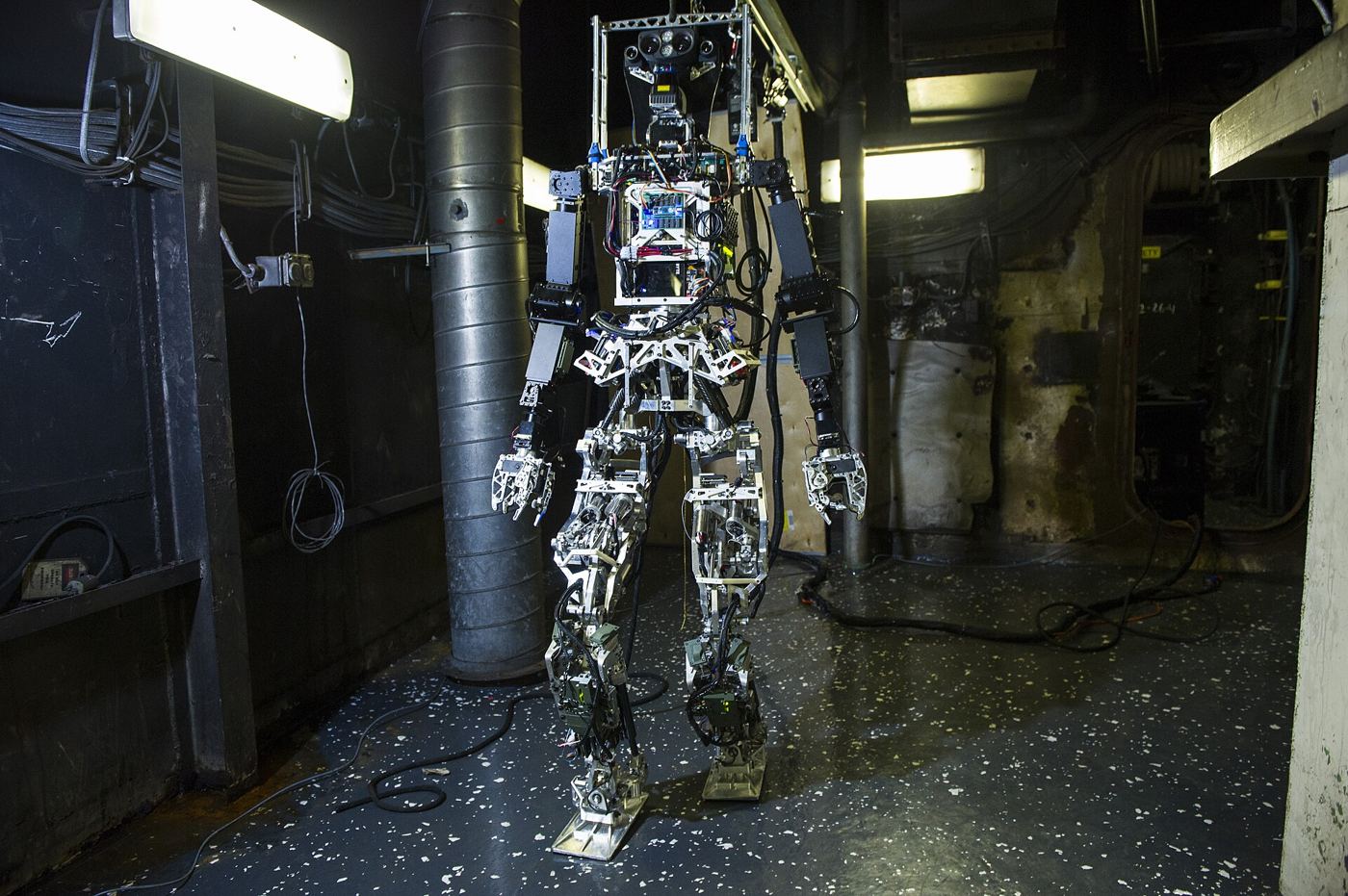
Robots in laboratories are being tested on a surprisingly delicate task: picking up fragile objects such as eggs, glassware and soft fruit without crushing or dropping them during handling. Engineers fit robotic hands with pressure sensors and soft fingertips, then score each attempt to learn which grips succeed across different shapes, weights and surfaces encountered in the test area. Mastering gentle handling would open work in food packing, pharmacies and recycling plants, where items vary constantly and brute force damages products that people currently sort carefully by hand every day.
What the Evidence Shows
Progress is slow because a grip that works for a smooth egg may fail on a wet bottle or a flexible packet, forcing robots to adjust pressure continuously while lifting and moving. Researchers combine camera vision with touch feedback, letting machines correct their hold mid movement instead of following one fixed plan from start to finish. They stress that reliable delicate handling, more than walking or talking, will decide when robots become genuinely useful in workplaces filled with fragile, unpredictable everyday objects. Reporting and analysis from sources such as MIT Technology Review track the same developments, and specialists following robot hands dexterity fragile objects say the direction is now consistent across independent lines of evidence.
The Wider Context
The wider context is an industry learning to ship capability and restraint together. Products built around robot hands dexterity fragile objects now launch with safety evaluations, usage data and rollback plans as standard, because enterprise buyers and regulators ask for them in the first meeting. Companies that treated those questions as friction are discovering they have become the purchase criteria.
What Happens Next
What happens next for robot hands dexterity fragile objects depends less on another breakthrough than on the unglamorous work of reliability, pricing and support. The buyers evaluating it now are not enthusiasts; they are operators with budgets and auditors, and their checklists will decide the timeline. On the evidence of the current pilots, the technology has earned the right to be judged by them. You can follow related developments in our coverage of technology.
There is a practical lesson in all of this for readers deciding what to do today. Start with the verified facts, be wary of anyone promising certainty, and prefer reversible steps while the evidence is still developing. Circumstances differ by country, income and personal situation, so general guidance should always be weighed against your own context before you act on it in any significant or lasting way.
It is also worth remembering how quickly the picture in this area has changed before. Positions that looked settled a few years ago have been revised as new data arrived, and the same humility is appropriate now. The strongest coverage of this subject, and the most useful advice, tends to come from sources that update their views openly when the facts move, rather than defending an earlier position long after it has stopped fitting the evidence available.
