

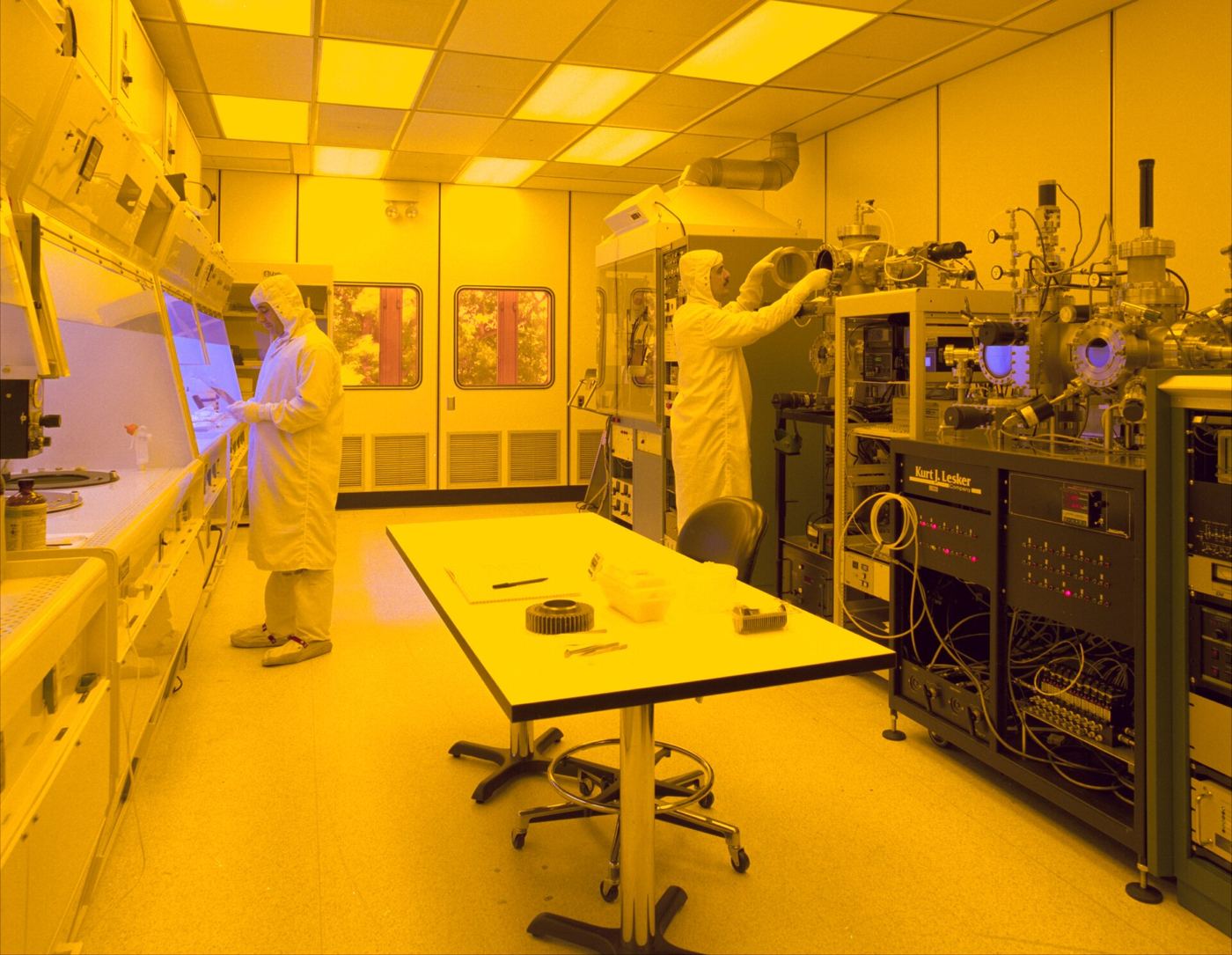
Semiconductor factories are racing to expand clean room capacity as demand for chips grows across cars, phones, data centres and artificial intelligence. A clean room is a vast hall kept almost free of dust, where a single speck can ruin a chip worth hundreds of pounds, so building one is among the most complex construction projects in industry. Workers in protective suits operate machines that print circuits finer than a human hair onto silicon wafers, and every stage demands precise control of temperature, humidity and vibration. Governments in several countries are offering support for new plants, hoping to secure supplies after shortages disrupted car production and electronics. The expansion is not only about size, since newer clean rooms must handle larger wafers and more advanced processes that pack billions of transistors into a tiny space. Construction takes years and costs billions, so companies plan carefully before breaking ground. For the towns that host them, the factories bring skilled jobs and investment, along with heavy demands on power, water and transport.
What the Evidence Shows
Running a larger clean room brings challenges that go beyond construction. Recruiting and training enough engineers and technicians is a constant pressure, since the skills are specialised and experienced staff are in demand worldwide. Supply chains for the chemicals, gases and equipment used inside must be reliable, because a single missing material can halt a production line. Water use attracts particular attention, as chip making needs huge volumes of ultrapure water, and plants increasingly recycle it to ease pressure on local supplies. Energy is another concern, with factories signing long-term renewable power deals to control costs and emissions. Despite the scale of investment, the industry remains cyclical, and a downturn can leave expensive capacity underused. Even so, the strategic importance of chips keeps governments and companies building, betting that the world’s appetite for computing will keep growing for years to come. Reporting and analysis from sources such as Wired track the same developments, and specialists following semiconductor clean room capacity say the direction is now consistent across independent lines of evidence.
The Wider Context
The wider context is an industry learning to ship capability and restraint together. Products built around semiconductor clean room capacity now launch with safety evaluations, usage data and rollback plans as standard, because enterprise buyers and regulators ask for them in the first meeting. Companies that treated those questions as friction are discovering they have become the purchase criteria.
What Happens Next
What happens next for semiconductor clean room capacity depends less on another breakthrough than on the unglamorous work of reliability, pricing and support. The buyers evaluating it now are not enthusiasts; they are operators with budgets and auditors, and their checklists will decide the timeline. On the evidence of the current pilots, the technology has earned the right to be judged by them. You can follow related developments in our coverage of technology.
None of this will be settled by a single announcement, study or product launch. The pattern to watch is accumulation: independent confirmations, honest reporting of failures and steady improvement in the underlying numbers. Readers who follow those signals, rather than the loudest claim of the week, will understand this subject better than most of the commentary surrounding it suggests is possible.
