

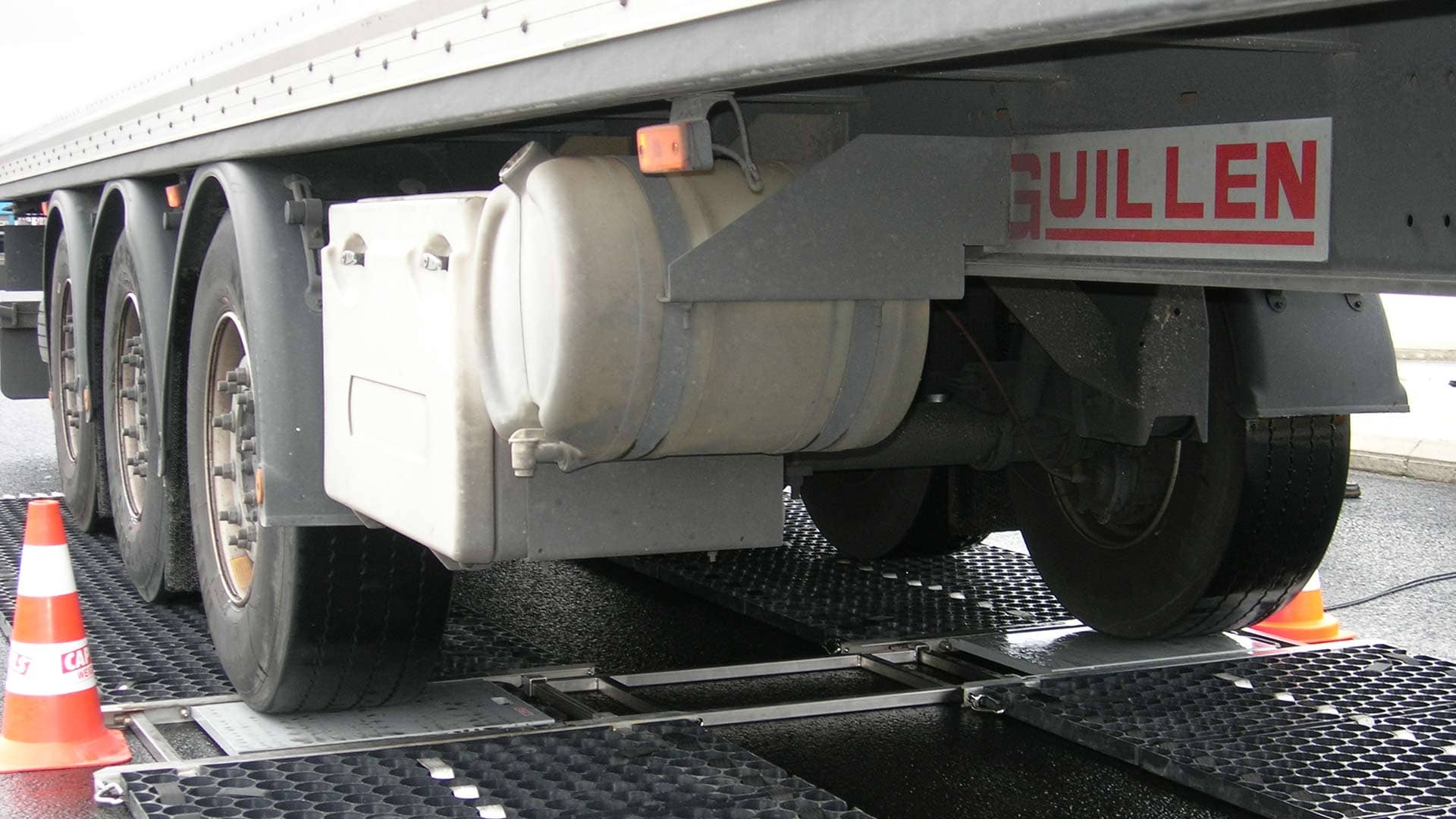
In many transport and field operations, companies cannot rely on permanent weighing stations. Construction zones, agricultural areas, and temporary logistics hubs often require fast and flexible solutions for measuring vehicle loads. For such environments, portable truck axle scales provide a reliable method for monitoring axle weight without installing permanent infrastructure.
However, to achieve accurate readings, these systems must be deployed correctly. The following step-by-step guide explains how field teams typically set up and operate mobile axle weighing equipment.
Step 1: Choose the Right Ground Surface
The first step in deploying mobile weighing equipment is selecting a suitable location. The ground must be firm, stable, and relatively level.
Operators usually look for:
- Compact gravel or asphalt surfaces
- Flat concrete areas
- Hard-packed soil with minimal slope
Uneven ground can affect the measurement accuracy of portable truck axle scales, so selecting the right location is essential before beginning the setup process.
Step 2: Position the Weighing Pads
Once a stable area has been identified, the next step is to place the weighing pads on the ground. These pads act as sensors that measure the load carried by each axle.
During placement, operators should ensure:
- Pads are aligned with the direction of vehicle travel
- The distance between pads matches the truck axle spacing
- Both pads sit evenly on the ground surface
Correct positioning ensures that vehicles move smoothly over the sensors during the weighing process.
Step 3: Connect the Indicator System
After placing the weighing pads, the system must be connected to a digital indicator or display unit. This component processes the signals from the sensors and converts them into readable weight measurements.
The indicator unit may include:
- A digital display screen
- Data storage capabilities
- Wireless communication options
- Connectivity with fleet management software
Once connected, portable truck axle scales can immediately begin collecting weight data from passing vehicles.
Step 4: Calibrate the System
Calibration ensures that the scale readings match actual weight values. Most systems come with factory calibration, but operators often perform a quick verification before starting operations.
Common calibration steps include:
- Powering on the system.
- Performing a test measurement with a known weight.
- Adjusting the system if minor deviations appear.
This step guarantees reliable weight readings during daily operations.
Step 5: Conduct the Axle Weighing Process
With the system ready, trucks can begin the weighing process. The driver slowly moves the vehicle forward, so each axle passes over the weighing pads.
Typical procedure:
- The front axle moves onto the pads first.
- The system records the weight instantly.
- The vehicle continues forward for the next axle measurement.
The system then calculates total vehicle weight using the individual axle readings collected by portable truck axle scales.
Step 6: Record and Analyze Data
Once weight measurements are taken, operators record the data for operational monitoring. Many modern systems automatically store information such as:
- Vehicle identification
- Axle weights
- Total vehicle weight
- Time and date of measurement
These records help companies monitor transportation compliance and maintain accurate logistics documentation.
Efficient Weighing for Mobile Operations
Temporary work environments require flexible tools that can adapt quickly to changing conditions. Mobile weighing systems make it possible to verify truck loads without building permanent facilities.
By properly setting up portable truck axle scales, field teams can maintain safe load limits, improve operational efficiency, and ensure vehicles comply with transportation regulations.
