

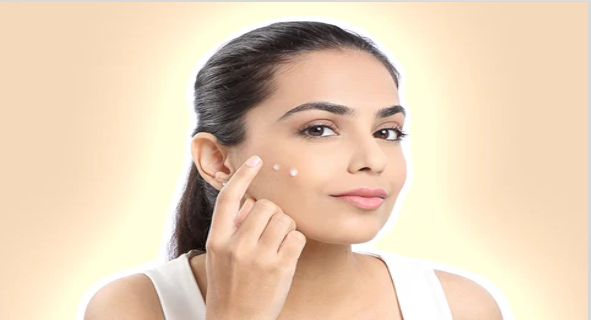
Healthy skin is more than just a matter of beauty; it is a reflection of overall wellness. When your skin looks radiant and feels smooth, it often means that your body is functioning well and your skin is properly protected. The outermost layer of your skin, known as the barrier, plays an essential role in keeping your skin safe from harmful substances, pollution, bacteria, and moisture loss. However, when this barrier becomes weak or damaged, it can lead to dryness, irritation, breakouts, and even premature aging. That is why understanding the importance of skin barrier repair and learning how to maintain it can transform your skincare routine and give you the glowing complexion you desire.
This guide will take you through everything you need to know about your skin barrier—what it is, why it matters, how it gets damaged, and what steps you can take to repair and protect it for the long term. By the end, you will have the knowledge to create a practical and sustainable skincare plan that promotes both beauty and health.
Understanding the Skin Barrier and Its Role in Skin Health
The skin barrier, also called the stratum corneum, is the outermost layer of your skin. It is made up of skin cells held together by lipids, which act like a protective wall. Imagine it as a brick-and-mortar structure where the skin cells are the bricks, and the lipids are the mortar holding them together. This structure creates a protective shield that locks in hydration and prevents irritants, allergens, and harmful microbes from entering.
When the barrier is strong and healthy, your skin feels smooth, soft, and plump. It retains moisture, reflects light better, and resists damage from external stressors. On the other hand, when the barrier becomes weak or compromised, skin problems quickly arise. Signs of a damaged barrier can include redness, dryness, itchiness, breakouts, sensitivity, and dullness.
A compromised skin barrier does not just affect the surface—it also influences how your skin responds to treatments, products, and even the natural environment. For example, when the barrier is weakened, your skin may react more strongly to active ingredients like retinol or exfoliating acids, leading to irritation rather than improvement. This makes barrier repair a critical first step in any skincare journey.
Your skin barrier is not static; it is constantly responding to your environment, diet, stress levels, and skincare habits. By taking the time to understand it, you can make better decisions for long-term skin health. Whether your concern is aging, acne, or general dullness, the foundation of the solution often lies in barrier strength and repair.
Common Causes of Skin Barrier Damage
Knowing how your skin barrier becomes damaged is the key to preventing issues and making lasting improvements. Modern lifestyles expose our skin to several stressors that weaken this protective layer. Environmental factors are one of the biggest culprits. Pollution, UV radiation, extreme weather conditions, and even indoor heating or air conditioning can strip the skin of its natural oils, leaving it vulnerable. Over time, these conditions lead to dehydration and an impaired barrier.
Another common cause is overuse of harsh skincare products. Many people mistakenly believe that scrubbing their face aggressively or using multiple active ingredients at once will solve skin issues quickly. In reality, over-exfoliation and misuse of products can do more harm than good. Strong cleansers, excessive chemical peels, or too many exfoliating acids can strip away the skin’s natural oils and protective lipids, leaving it raw and unprotected.
Lifestyle choices also play a significant role. Poor diet, dehydration, lack of sleep, and high stress can all weaken the skin barrier. A diet low in essential fatty acids, vitamins, and antioxidants deprives your skin of the nutrients it needs to stay resilient. Stress, on the other hand, increases cortisol levels, which can disrupt skin healing and repair processes.
Underlying skin conditions, such as eczema, psoriasis, and acne, can further contribute to barrier damage. These conditions often make the skin more sensitive and prone to flare-ups when exposed to irritants. Medications, particularly those for acne or certain dermatological treatments, can also thin the barrier and make it more delicate.
In short, the skin barrier is under constant attack from both internal and external factors. Recognizing these causes empowers you to adjust your habits and take proactive steps to preserve your skin’s natural defenses.
The Science of Skin Barrier Repair
When it comes to skin barrier repair, the process involves restoring balance, hydration, and protection to the skin. At the core, repairing the barrier means replenishing the lipids and natural moisturizing factors that keep the skin intact. These include ceramides, fatty acids, and cholesterol, which form the “mortar” in your skin’s protective wall. Without them, your skin becomes prone to water loss and irritation.
Hydration plays a critical role in barrier repair. Humectants such as hyaluronic acid and glycerin draw water into the skin, while emollients like squalane and shea butter help soften and smooth the surface. Occlusive agents like petrolatum or dimethicone form a protective film that prevents water from escaping, sealing in the benefits of other ingredients. A good skincare routine should combine all three—humectants, emollients, and occlusives—for maximum barrier recovery.
Another important element in barrier repair is pH balance. Healthy skin maintains a slightly acidic environment, typically around pH 4.5 to 5.5. This acidity helps the skin fight harmful bacteria and regulate enzyme activity needed for repair. Using products that are too alkaline, such as harsh soaps, can disrupt this balance and lead to barrier damage.
Gentle care is vital during the repair process. Instead of aggressive exfoliation, opt for mild cleansers and soothing treatments that calm inflammation. Ingredients such as niacinamide, panthenol, and centella asiatica are known for their ability to support healing, reduce redness, and strengthen barrier function.
It is also important to give your skin time to heal. Skin turnover and repair do not happen overnight; it may take several weeks of consistent care to notice visible improvements. Patience and consistency are essential, as constantly switching products can prevent the skin from achieving balance.
Scientific studies continue to show that barrier repair is at the heart of treating not only dryness and sensitivity but also conditions like acne, rosacea, and premature aging. This proves that glowing skin is not achieved by attacking problems harshly but by nurturing the skin’s natural protective abilities.
Practical Steps for Effective Skin Barrier Repair
Taking steps toward skin barrier repair does not have to be complicated. In fact, simplifying your routine is often the best way to begin. Start with a gentle, fragrance-free cleanser that cleans without stripping away natural oils. Avoid hot water and opt for lukewarm temperatures, as heat can dehydrate the skin and damage lipids.
Moisturizing is perhaps the most critical step. Choose a moisturizer rich in ceramides, fatty acids, and cholesterol to rebuild the barrier. Layering products strategically can also enhance results. For example, applying a hydrating serum followed by a nourishing moisturizer, then sealing with an occlusive balm at night, can lock in hydration and promote healing while you sleep.
Sun protection is another non-negotiable step. UV rays are one of the most significant contributors to barrier damage, even on cloudy days. A broad-spectrum sunscreen with SPF 30 or higher should be applied daily, regardless of the weather or season. Sunscreen not only protects against damage but also gives your skin a chance to repair itself without further stress.
Lifestyle adjustments also support skin barrier recovery. Drinking plenty of water, eating a balanced diet rich in omega-3 fatty acids and antioxidants, and managing stress through mindfulness or exercise all contribute to healthier skin. Prioritizing sleep is equally important, as nighttime is when the skin undergoes its most active repair cycle.
For those with persistent issues, consulting a dermatologist may be necessary. Professional treatments and tailored skincare recommendations can help address more severe barrier damage and underlying conditions. Dermatologists can also recommend prescription-strength creams or treatments to accelerate recovery when over-the-counter products are not enough.
Above all, consistency is key. Repairing the skin barrier is not about quick fixes but about creating sustainable habits that keep your skin strong and resilient over time. By being gentle and mindful with your skin, you set the stage for lasting radiance.
Long-Term Maintenance for Glowing, Resilient Skin
Once you have achieved barrier repair, the next step is long-term maintenance. Healthy skin requires ongoing care, and the habits you build now will determine how your skin looks and feels in the future. One of the most important principles is adopting a “less is more” philosophy. Sticking to a consistent routine with a few well-formulated products is often more effective than constantly experimenting with new ones.
Maintaining hydration should remain a priority. Regularly applying moisturizer, even when your skin feels fine, prevents future issues and strengthens your protective barrier. Hydrating toners and serums can provide an extra boost, especially during dry seasons or in harsh climates.
Sunscreen should stay a daily habit, not just during the summer. Protecting your skin from UV damage reduces the risk of premature aging, hyperpigmentation, and barrier weakening. Think of sunscreen as an investment in your skin’s long-term resilience.
It is also important to listen to your skin. If it feels tight, itchy, or unusually sensitive, it may be signaling early signs of barrier stress. Adjusting your routine by reducing actives or adding soothing ingredients can prevent the problem from worsening. Avoiding unnecessary irritants, such as heavily fragranced products or alcohol-based toners, will also keep your skin happy.
Regularly evaluating your skincare routine ensures that it continues to meet your skin’s needs. As your skin changes with age, environment, and lifestyle, so should your products and habits. Flexibility and awareness are essential for maintaining balance.
Lastly, remember that glowing skin is not just about topical products. A holistic approach that includes healthy eating, stress management, and overall wellness will always reflect on your skin. When your body feels balanced, your skin barrier is better equipped to function optimally.
Conclusion
The journey to healthy, glowing skin begins with understanding and prioritizing the skin barrier. This vital shield protects your body from external harm, keeps hydration in, and lays the foundation for smooth, radiant skin. When it becomes damaged, your skin’s overall health suffers, leading to dryness, irritation, and other concerns. By learning the science behind skin barrier repair, recognizing common causes of damage, and adopting practical steps for healing, you empower yourself to take control of your skin’s health.
Long-term maintenance is just as important as the initial repair process. With consistent hydration, sun protection, gentle care, and lifestyle balance, your skin barrier can remain strong and resilient for years to come. Healthy skin is not achieved through harsh treatments or quick fixes but by nurturing your body’s natural defenses with patience and care.
By making barrier repair a lifelong habit, you are not only investing in the beauty of your skin but also in its overall health and strength. Glowing, resilient skin is within reach when you understand the power of protecting and repairing the barrier that keeps it safe.
