

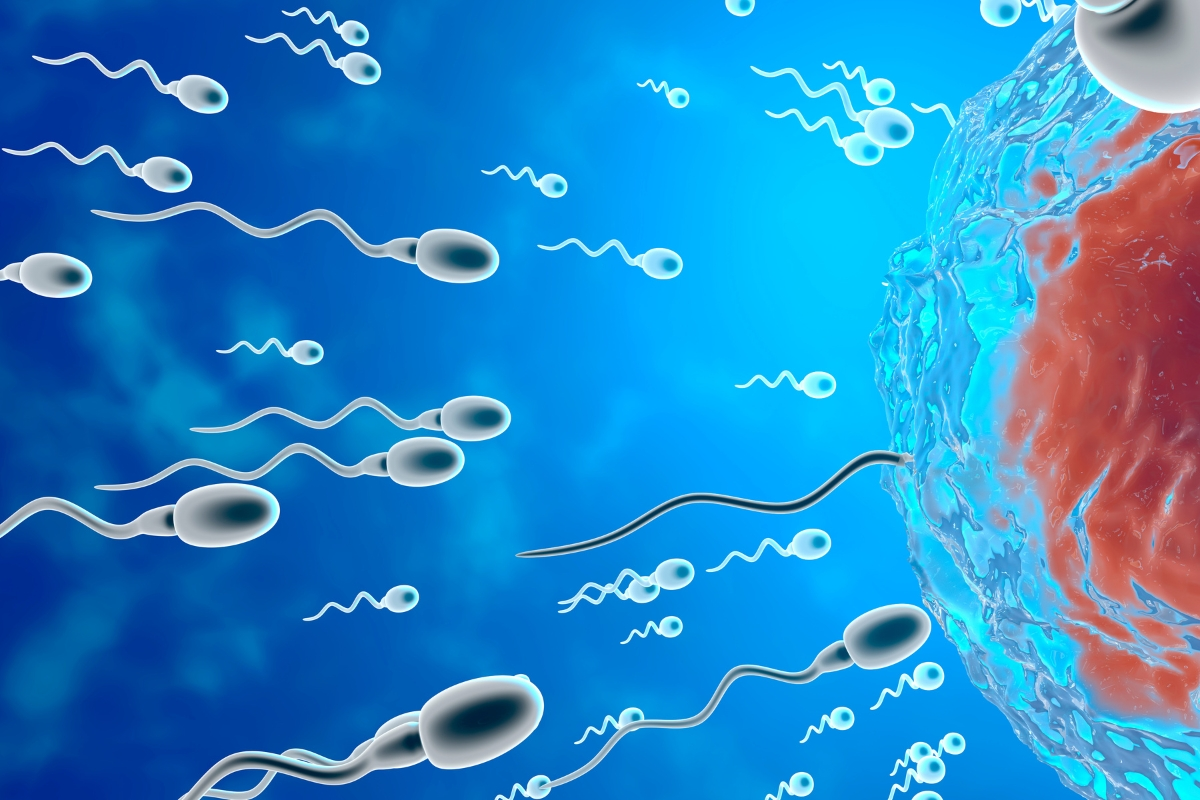
When we talk about reproduction, one of the most fascinating and scientifically accurate metaphors is Sperm Races. This term may sound humorous, but it perfectly describes the intense biological competition that takes place inside the human reproductive system. Sperm races involve millions of microscopic cells sprinting toward a single goal — fertilizing the female egg. Only one will win, and the rest will perish, making it one of nature’s most competitive and high-stakes contests.
In this article, we’ll dive deep into what sperm races are, why they matter, how they work, and what factors can influence the outcome. Whether you’re curious about human biology, fertility science, or just want to understand how life begins, this guide will give you an in-depth look into the microscopic world of sperm races.
What Are Sperm Races?
Sperm races refer to the biological event during fertilization when millions of sperm cells released during ejaculation travel through the female reproductive tract to reach and fertilize a single ovum (egg). Out of the roughly 200 to 300 million sperm cells released, only one typically succeeds in fertilizing the egg. The rest either die off during the journey or fail to penetrate the egg’s protective layers.
This process isn’t just a random event — it’s a race. Sperm must travel through hostile conditions, overcome numerous biological barriers, and compete against one another to reach the egg first. The term “sperm races” is used not only in scientific literature but also in popular culture and educational content to make this concept engaging and easier to understand.
The Journey of Sperm: A Biological Obstacle Course
1. The Starting Line: Ejaculation
The race begins at ejaculation, where approximately 200 to 300 million sperm are released into the vagina. From here, they begin their journey through the cervix.
2. Navigating the Cervix
The cervix is one of the first major obstacles. Cervical mucus consistency changes based on a woman’s menstrual cycle. During ovulation, this mucus becomes thinner, allowing easier sperm movement.
3. The Uterus: The Midfield
Once past the cervix, sperm enter the uterus, where contractions of the uterine muscles help propel them toward the fallopian tubes.
4. The Final Stretch: Fallopian Tubes
Only a few hundred sperm make it to the fallopian tubes. At this point, the sperm must find the egg, which is usually waiting in the ampulla region of the tube.
5. The Finish Line: Penetrating the Egg
To fertilize the egg, a sperm must penetrate the zona pellucida, a tough outer shell. The sperm uses enzymes in its acrosome (a cap-like structure on its head) to dissolve this shell. Once one sperm penetrates, the egg immediately blocks entry to any others.
Why Only One Sperm Wins
Biologically, it only takes one sperm to fertilize an egg. The egg contains half of the genetic material (23 chromosomes), and the winning sperm contributes the other half. This fusion creates a unique set of DNA that forms the basis of a new human life.
Once a sperm penetrates the egg, a biochemical reaction called cortical reaction takes place. This reaction alters the egg’s membrane, preventing any other sperm from entering. This ensures the embryo has the correct number of chromosomes and prevents abnormalities.
Factors That Influence Sperm Races
Several variables can affect how well sperm compete in these races:
1. Sperm Motility
This refers to how well sperm move. Higher motility increases the chances of reaching the egg.
2. Sperm Morphology
Shape and structure also matter. Abnormally shaped sperm may have difficulty swimming or penetrating the egg.
3. pH Levels
The vagina is naturally acidic, but semen is alkaline. A proper pH balance ensures sperm survival.
4. Timing of Ovulation
Sperm can survive inside the female body for up to 5 days, but fertilization occurs only if an egg is present. Timing intercourse with ovulation is key.
5. Lifestyle and Diet
Alcohol, smoking, poor diet, and lack of exercise can reduce sperm count and quality. A healthy lifestyle supports better sperm health and increases the chance of a “win.”
Sperm Races and Fertility Treatments
For couples experiencing infertility, understanding sperm races becomes essential. Treatments such as IUI (Intrauterine Insemination) and IVF (In Vitro Fertilization) are designed to aid or bypass the natural sperm race.
IVF: A Controlled Race
In IVF, the egg and sperm are brought together in a lab. Sometimes, a single sperm is injected directly into the egg using a technique called ICSI (Intracytoplasmic Sperm Injection), which entirely eliminates the race.
Sperm Selection Techniques
Techniques like swim-up and density gradient centrifugation are used to select the most motile and morphologically normal sperm for assisted reproduction. These methods mimic sperm races in a lab setting.
Fun Facts About Sperm Races
- Speed: Human sperm swim at about 1 to 4 millimeters per minute.
- Size: A sperm cell is about 50 micrometers long — 500 times smaller than the egg.
- Survival: Sperm can survive up to 5 days inside the female body, giving them multiple days to “compete.”
Sperm Races in Animals
While this article focuses on human sperm, it’s worth noting that sperm competition exists across many species. In animals like insects or marine life, sperm races are even more dramatic. For example:
- Fruit flies can store sperm from multiple males and use it selectively.
- Octopuses use specialized arms to transfer sperm and sometimes race against sperm from other suitors.
- Fish like salmon often release sperm and eggs in open water, and the race is entirely based on proximity and speed.
Sperm Races and Gender Determination
It’s a common myth that sperm races determine the sex of the baby — but there’s truth behind it. Sperm carrying the Y chromosome (which leads to a male child) are generally faster but less resilient than those carrying the X chromosome (which leads to a female child). Some theories suggest timing intercourse closer to ovulation might favor male sperm (fast but short-lived), while having intercourse a few days before ovulation may favor female sperm (slower but longer-lived). However, there’s no conclusive evidence to prove this method guarantees a specific gender.
Educational and Cultural Uses of Sperm Race Metaphors
The idea of a sperm race is commonly used in educational tools to make learning about human reproduction more engaging for students. Animated videos, games, and diagrams often show sperm swimming frantically toward an egg, helping to visualize a process that is otherwise invisible.
Culturally, the metaphor is also used in humor, motivational talks, and even advertising, often to highlight the miraculous nature of human life — the idea that we were all “winners” of our own sperm race.
Conclusion
Understanding sperm races offers an incredible window into the biological miracle of human reproduction. This seemingly invisible competition is the very first step in the journey of life, highlighting nature’s incredible design. From navigating acidic environments to competing for a single opportunity, sperm races are not only fascinating but also crucial to fertility and conception.
Whether you’re trying to conceive, learning about biology, or just curious about what happens on the cellular level, sperm races provide a captivating insight into life’s beginnings.
For more insightful articles on health, biology, and science-backed knowledge, visit https://zerodolsp.com/ and stay informed.
