

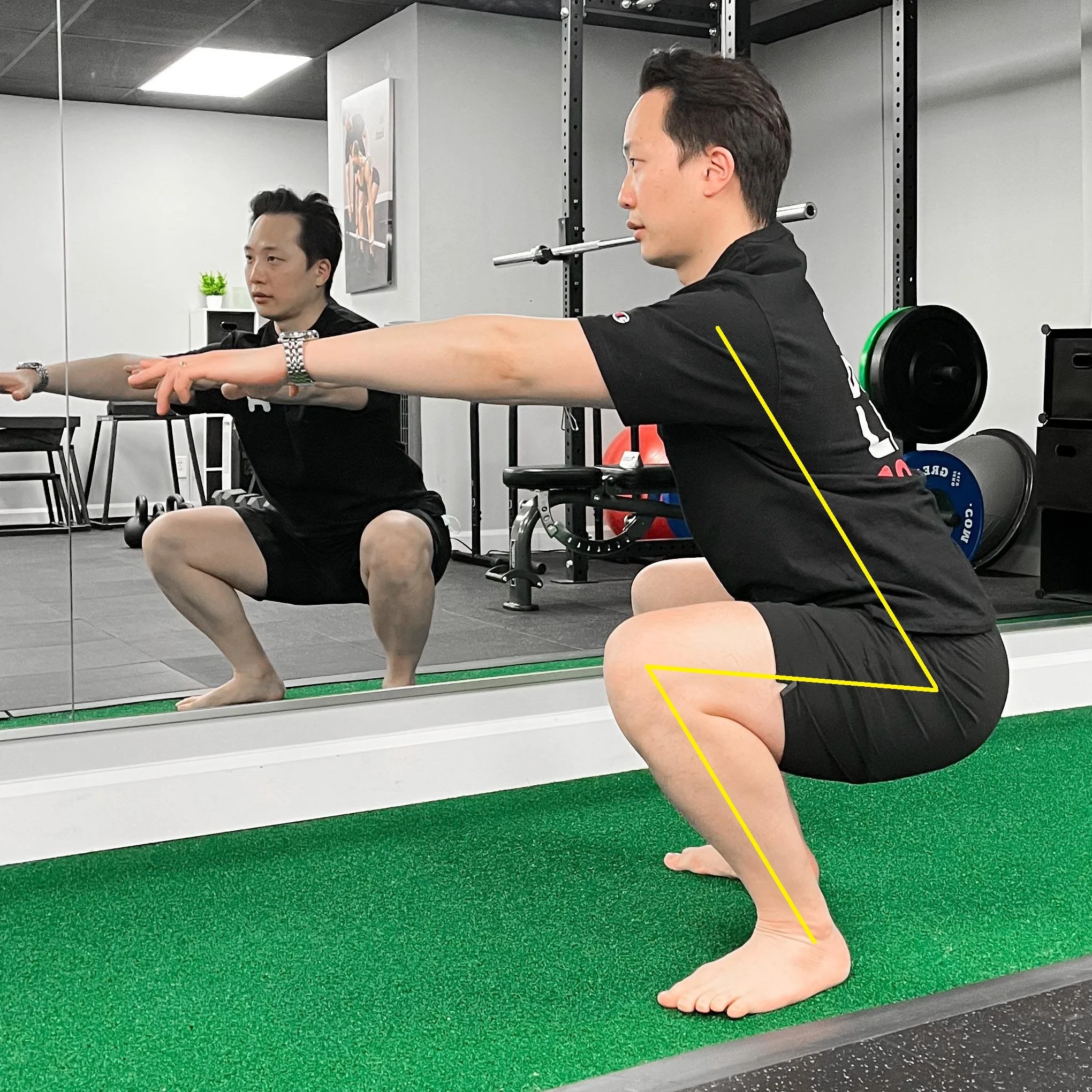
Squat depth is one of the most talked about goals in strength training, but it is also one of the most misunderstood. Some lifters chase depth by pushing harder into the bottom position, while others avoid it because it feels unstable or uncomfortable. The truth is that squat depth and mobility improve fastest when you focus on repeatable positions, not extreme stretching or perfect form cues.
In this article, you will learn what limits depth for most people, how mobility actually shows up in the squat, and how to build a simple approach that carries over to real training.
Why Squat Depth and Mobility Feel Limited
When someone struggles with squat depth and mobility, the problem usually falls into one or more of these categories:
- Ankle restriction: the knees cannot travel forward enough with the heel down
- Hip restriction: the bottom position feels pinchy, tight, or hard to access
- Balance and control: you can reach depth, but you cannot stay stable there
- Technique mismatch: stance and torso strategy do not fit your anatomy
A key point is that mobility is not only about “range.” It is also about control. Many lifters can stretch into dorsiflexion, but they cannot use it under load. That is why mobility work sometimes feels helpful yet does not change squat depth in training.
Squat Depth and Mobility: The Ankle Factor
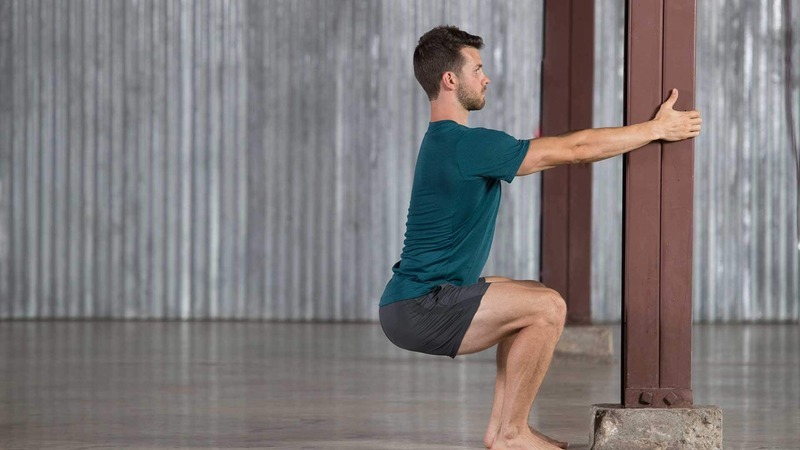
For many people, ankle dorsiflexion sets the ceiling for depth. If the ankles cannot bend forward, the knees stop early. Then the body compensates by shifting pressure forward, lifting the heels, or leaning the torso.
If you want to improve squat depth and mobility, start by noticing what happens as you approach the bottom:
- Do the heels feel light
- Does the torso fold forward
- Do the hips shoot back
- Does balance shift toward the toes
These patterns often point to an ankle limitation or an ankle control problem. You do not need perfect ankles to squat well, but you do need enough usable dorsiflexion to stay balanced over the midfoot.
Hip Mobility and Stance Fit
Even with good ankles, depth can still feel restricted if the hips do not tolerate the position. Hip structure varies, so the “ideal” stance is not the same for everyone. This is why squat depth and mobility sometimes improve immediately with a small stance change.
Try adjusting one variable at a time:
- Slightly wider stance
- Slightly more toe angle
- Slightly more knee tracking in line with toes
If the bottom position feels smoother and more stable, the issue may have been stance fit rather than raw flexibility. Hip comfort is a practical mobility factor, because discomfort tends to trigger compensation patterns even when range exists.
Squat Depth and Mobility Needs Control
A common mistake is treating mobility like a stretching contest. But in the squat, mobility is the ability to access a range while staying stable. This is why control work matters so much for squat depth and mobility.
Two methods build control quickly:
Paused squats
Pause one to two seconds at the deepest stable position you can hold without shifting balance. This teaches the body that the range is safe.
Tempo descents
Lower in three to four seconds. You will feel where balance shifts, where the knees stop, or where the torso collapses. Tempo reveals the weak link and helps you fix it.
Control work is not only technique. It is strength in the ranges that matter.
How a Slant Board Can Support Mobility Practice
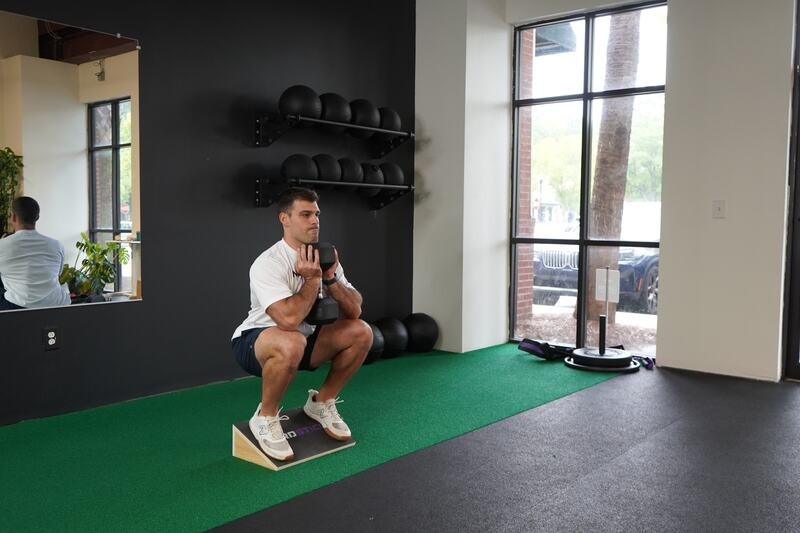
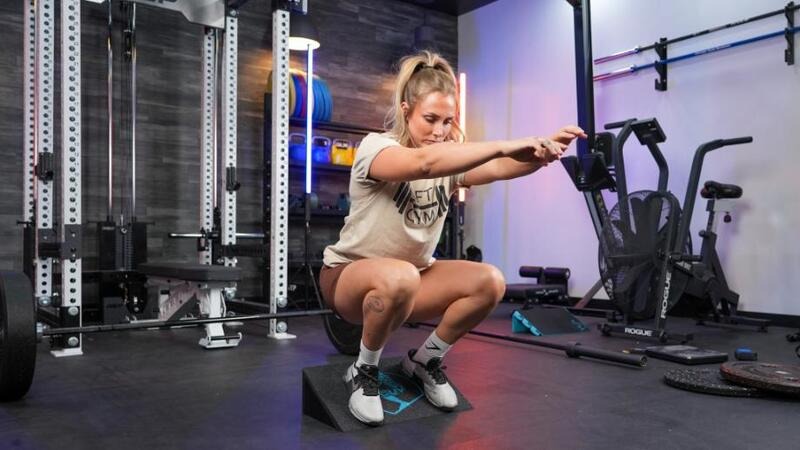
Angle based platforms can make mobility practice more consistent because they standardize setup. A Slant Board is often used to support ankle dorsiflexion work, calf stretching, and controlled lower body patterns. The value is not that the tool “creates mobility.” The value is that it makes the position repeatable so you can train the same range with the same intent each session.
If your goal is better squat depth and mobility, use an angled platform to practice positions you want to own, not to force positions you cannot control. Short sessions with good alignment tend to produce better long term results than occasional aggressive stretching.
Strengthen the Range You Want to Own
If you only train partial squats, your body adapts to partial squats. Improving depth often requires exposure to deeper ranges with manageable load. This is where exercise selection becomes part of the mobility plan.
Useful options include:
- Goblet squats to improve balance and torso position
- Front squats at moderate load to encourage upright posture
- Split squats to build hip control and ankle tolerance
- Box squats set slightly below your current comfortable depth
Strength and mobility work best when they support each other. You do not need a separate mobility hour. You need repeated practice in high quality positions.
A Simple Weekly Approach That Works
If you want a realistic structure for squat depth and mobility, use a simple routine around your squat sessions:
- Before squats: 3 to 5 minutes of ankle work and a few slow bodyweight squats
- During squats: add tempo or pauses for a few sets to build control
- After squats: brief calf stretching or dorsiflexion holds
This works because it combines range exposure with stability. It also avoids the trap of doing mobility work that never transfers to loaded movement.
Avoid the Depth Traps
A few common traps slow progress:
- Forcing depth while losing balance
- Stretching aggressively without control work
- Changing stance, shoes, and cues all at once
- Chasing depth every rep instead of practicing positions
When lifters improve squat depth and mobility, it usually looks boring. Small changes repeated consistently, not dramatic stretches or constant cue switching.
Final Thoughts on Squat Depth and Mobility
Improving squat depth and mobility is not about one perfect drill. It is about building usable range through consistent practice, better control, and strength in deeper positions. Start by identifying whether ankles, hips, balance, or technique mismatch is the main limiter. Then choose a few simple methods you can repeat: tempo, pauses, and targeted ankle work.
This movement first approach is often highlighted in educational discussions around squatting, because it helps lifters improve depth without forcing uncomfortable positions. You will see that same emphasis on repeatable mechanics and controlled mobility across SlantBoardPro.com.
