

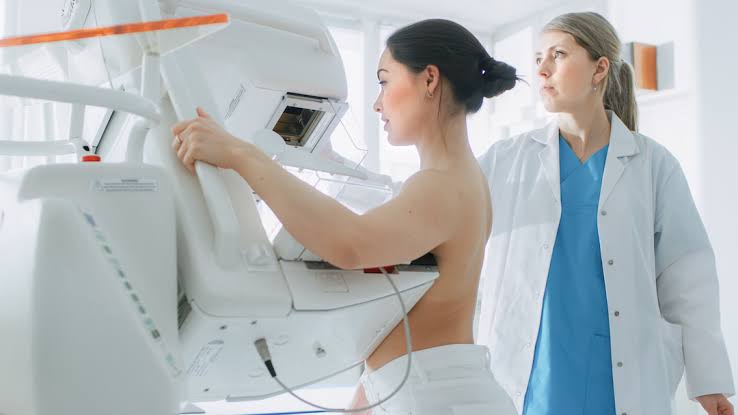
Many women put off their mammogram because of stories about pain or worries about radiation. The reality is usually much less daunting. Here’s what to expect, from booking to results.
The Appointment You Keep Rescheduling
The reminder letter has been sitting on your fridge for weeks. Every time you look at it, you think of a friend who said it was “so painful”, or an aunt who mentioned the radiation. So you tell yourself you’ll book it next month.
You’re not alone. Fear of discomfort, embarrassment and uncertainty about the process are some of the most common reasons women delay their mammograms.
But a mammogram is one of the best tools available for catching breast cancer early, sometimes years before a lump can be felt. And for most women, the whole thing is over in a matter of minutes. Knowing exactly what happens can make it much easier to finally make that booking.
What Is a Mammogram?
A mammogram is a low-dose X-ray of the breast. It can show changes in breast tissue, such as small lumps or tiny calcium deposits called microcalcifications, which may be early signs of cancer.
Screening vs diagnostic mammograms
- Screening mammogram – for women with no breast symptoms, as part of routine check-ups
- Diagnostic mammogram – for women with symptoms, such as a lump or nipple discharge, or to take a closer look after an abnormal screening result. It may involve extra views
2D and 3D mammography
A standard 2D mammogram takes two flat images of each breast. Many centres also offer digital breast tomosynthesis, often called a 3D mammogram, which takes multiple images from different angles. These are combined to create a layered view of the breast, which can make it easier to see through overlapping tissue.
Who Should Have a Mammogram?
In Singapore:
- Women aged 40 to 49 are advised to discuss mammogram screening with their doctor and consider having one yearly
- Women aged 50 and above are advised to have a mammogram every two years
Women with a higher risk of breast cancer, such as those with a strong family history, may be advised to start earlier or screen more often. And at any age, if you notice a breast change, see a doctor.
Before Your Mammogram
Choosing the right time
If you still have periods, try to book your mammogram for the week after your period ends. Your breasts are usually less tender then, which can make the compression more comfortable.
What to wear
Wear a two-piece outfit, such as a top with trousers or a skirt. You’ll only need to undress from the waist up.
What to avoid
On the day, don’t apply deodorant, antiperspirant, perfume, powder or lotion to your underarms or breasts. Some of these products contain particles that can show up on the X-ray and look like calcium deposits.
What to tell the staff
- If you might be pregnant
- If you’re breastfeeding
- If you have breast implants
- If you have any breast symptoms
- If you’ve had previous breast surgery or biopsies
If you’ve had mammograms elsewhere before, bring the images or reports, as comparing them can help the radiologist spot changes.
During Your Mammogram
Step by step
- You’ll change into a gown in a private room.
- A radiographer, usually female, will position one breast on a flat plate.
- A second clear plate gently presses down on the breast to flatten it.
- You’ll be asked to hold still and briefly hold your breath while the image is taken.
- The process is repeated from a different angle, then on the other breast.
The whole appointment usually takes around 15 to 30 minutes, but the compression itself only lasts a few seconds for each image.
Why the squeeze?
Compression is the part most women worry about, but it serves an important purpose. Flattening the breast:
- Spreads out the tissue, so small abnormalities aren’t hidden
- Holds the breast still, so images are sharp
- Reduces the amount of radiation needed
Does a Mammogram Hurt?
Most women describe the compression as uncomfortable or a feeling of pressure rather than painful. Experiences vary depending on breast size, tenderness and the time of the month.
Some tips to make it more comfortable:
- Book for the week after your period
- Cut down on caffeine for a few days before, which some women find reduces tenderness
- Tell the radiographer if it hurts; they can sometimes adjust the position
- Breathe slowly and relax your shoulders
Any discomfort usually disappears as soon as the plate is released.
Is a Mammogram Safe?
Mammograms use a very low dose of radiation. For women in the recommended age groups, the benefit of detecting breast cancer early is considered to far outweigh the small risk from this radiation.
If you might be pregnant, tell the staff before your mammogram.
After Your Mammogram
You can carry on with your day as normal straight afterwards. A radiologist, a doctor specialising in medical imaging, will review the images and send a report to your doctor or clinic.
Understanding your results
- Normal – no signs of cancer; continue with routine screening
- Benign findings – such as cysts or calcifications that are clearly harmless
- Recall for further tests – the radiologist wants a closer look
If you’re called back
Being recalled can be frightening, but most recalls don’t lead to a cancer diagnosis. Often, the radiologist simply needs extra views, a breast ultrasound or a comparison with older images. Sometimes a biopsy is recommended to be certain.
Mammograms and Dense Breasts
Breasts are made up of fatty tissue and dense tissue. On a mammogram, dense tissue appears white, and so can cancers. This can make cancers harder to see in women with dense breasts, which is more common in younger women.
If you’re told you have dense breasts, your doctor may suggest adding a breast ultrasound to your screening.
Common Mammogram Myths
- “I don’t need one because I have no family history.” Most women diagnosed with breast cancer have no family history.
- “My breasts are small, so it won’t work.” Mammograms work for women of all breast sizes.
- “If I can’t feel a lump, I’m fine.” Mammograms can detect cancers long before they can be felt.
- “One clear mammogram means I’m done.” Regular screening is important, as changes can develop over time.
A Few Minutes for Peace of Mind
A mammogram takes just a short time, but it can provide valuable reassurance, or catch a problem at its most treatable stage. If you’ve been putting it off, consider this your sign to book it.
Consult a breast specialist if you have questions about mammogram screening or have received an abnormal result.
The details in this article describe what typically happens during a mammogram and may vary between centres. Please follow the advice of your own doctor and screening facility.
