

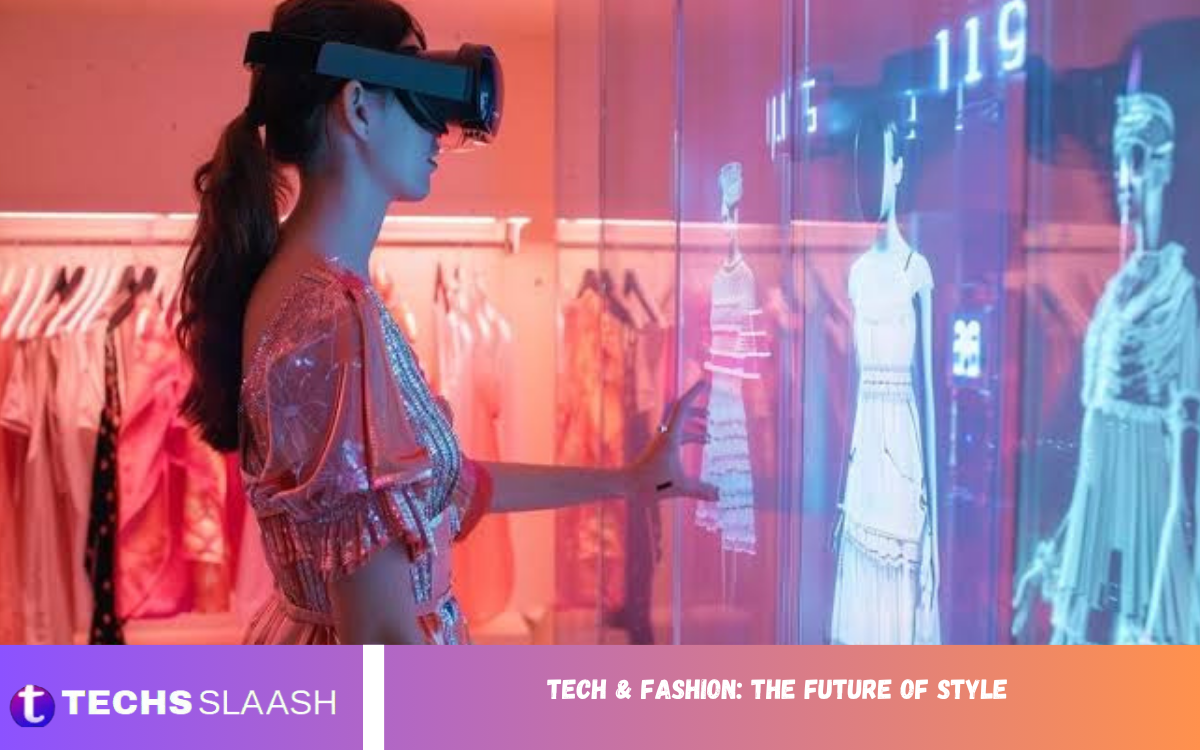
Technology and fashion are no longer separate worlds. Today, they are coming together to create a new era of style that is smarter, more personalized, and more innovative than ever before. From smartwatches and connected accessories to AI-powered styling tools and sustainable fabrics, technology is transforming the way people choose, wear, and experience fashion.
The rise of wearable technology has made it possible to integrate digital features directly into everyday outfits. Smart clothing can monitor fitness, regulate temperature, and even adapt to changing environments, while virtual fitting rooms and augmented reality allow shoppers to explore styles without physically trying them on.
The Growing Connection Between Technology and Fashion
Technology has become an important influence on nearly every part of the fashion industry. Designers use digital software to create patterns, test materials, develop virtual prototypes, and visualize collections before manufacturing begins. These tools can reduce development time and allow creative teams to experiment with designs that would have been difficult to produce using traditional methods.
Consumers are also experiencing the connection between fashion and technology through everyday products. Smartwatches, wireless earbuds, fitness trackers, and connected eyewear have become accessories that combine practical technology with personal style. This shift demonstrates that modern consumers increasingly expect their technology to look as attractive as it performs.
Smart Clothing Is Changing Everyday Wear
Smart clothing is one of the most exciting developments in the relationship between technology and fashion. These garments can incorporate sensors, conductive materials, and other electronic components to provide functions beyond traditional clothing. Depending on the design, smart apparel can monitor physical activity, measure certain body-related information, or provide temperature-related features.
Although smart clothing is still developing, its potential is significant. Future garments could become more responsive to their surroundings and the needs of the wearer. Clothing may eventually adjust according to temperature, activity, or personal preferences, creating a more comfortable and personalized experience while maintaining a fashionable appearance.
Wearable Technology Meets Personal Style
Wearable technology has already changed the way people think about accessories. Smartwatches and fitness trackers can display notifications, monitor activity, provide navigation, and perform other digital functions while remaining part of an individual’s outfit. As these products become more sophisticated, manufacturers are placing greater emphasis on materials, shapes, finishes, and customization.
The future of wearable technology could make personal style even more interactive. Consumers may be able to change digital displays, customize accessories, or connect devices with their clothing. Instead of treating technology as something separate from fashion, future products may make technology an essential part of personal expression.
Artificial Intelligence and Fashion Personalization
Artificial intelligence is becoming increasingly useful in fashion because it can analyze large amounts of information and identify patterns. Fashion businesses can use AI-based systems to understand customer preferences, study shopping behavior, identify emerging trends, and provide personalized recommendations. These capabilities can help brands create more relevant experiences for individual customers.
For shoppers, AI-powered fashion tools can make discovering suitable products easier. Digital assistants may recommend clothing based on previous purchases, preferred styles, sizes, or occasions. In the future, AI could provide increasingly personalized style guidance, helping consumers build outfits that reflect their preferences without requiring extensive searching.
Virtual Fitting Rooms and Digital Shopping
Online shopping has made fashion more convenient, but finding the correct size and appearance remains a challenge. Virtual fitting technologies are addressing this issue by allowing shoppers to explore how clothing might look or fit digitally. Augmented reality and related tools can provide a more interactive shopping experience without requiring customers to visit a physical store.
These technologies could significantly influence the future of fashion retail. As virtual fitting becomes more accurate, consumers may feel more confident purchasing clothing online. Retailers could also benefit from fewer returns and improved customer satisfaction. The result may be a shopping environment where digital convenience and fashion discovery work together more effectively.
3D Printing and Innovative Fashion Design
3D printing offers designers another way to rethink clothing and accessories. Instead of relying entirely on traditional manufacturing methods, designers can create detailed structures and customized products directly from digital designs. This technology can support experimentation with unusual shapes, textures, accessories, and fashion concepts.
Customization is another important advantage of 3D printing. Products could potentially be created according to an individual’s measurements or preferences, reducing the need for standard designs. As printing technology improves, it may become easier to produce personalized fashion items while exploring materials and production methods that are different from conventional manufacturing.
Read Also: Internal Links vs External Links: Understanding the Difference
Sustainable Technology in the Fashion Industry
Sustainability has become a major concern for the fashion industry, and technology can contribute to more responsible production. Digital design tools can reduce physical samples, while advanced manufacturing methods may help companies use materials more efficiently. Data analysis can also help businesses understand demand and avoid producing excessive amounts of unwanted inventory.
New materials are another area of innovation. Researchers and companies are exploring recycled fibers, bio-based materials, and alternative textiles that may reduce environmental impact. Technology alone cannot solve every sustainability challenge, but it can support better production decisions and encourage the development of more responsible approaches to fashion.
The Rise of Digital Fashion
Digital fashion is expanding the definition of what it means to own and wear clothing. Digital garments can exist entirely online and may be used for virtual environments, social platforms, gaming experiences, or digital content. This concept gives designers the freedom to create styles that do not have to follow the physical limitations of traditional clothing.
Digital fashion may also offer opportunities for creativity with fewer physical resources. A virtual garment does not require the same manufacturing, shipping, or physical storage as a traditional product. As digital communities continue to grow, fashion could increasingly exist across both physical and virtual spaces, giving consumers new ways to express their identities.
How Technology Is Changing Fashion Retail
Fashion retail is becoming more connected through mobile applications, digital payment systems, personalized recommendations, interactive displays, and data-driven inventory management. Physical stores are also experimenting with technologies that can make shopping more convenient and engaging. These innovations allow retailers to create experiences that combine online and offline shopping.
The future retail experience may become highly personalized. Customers could receive recommendations based on their preferences as they enter a store, use digital mirrors to explore different looks, or purchase products through seamless connected systems. Retailers that successfully combine technology with human service may be better positioned to meet changing consumer expectations.
Technology and the Future of Fashion Design
Designers are gaining access to powerful digital tools that can improve creativity and productivity. Computer-aided design, digital pattern creation, virtual prototypes, and AI-assisted research can help fashion professionals explore ideas more efficiently. These technologies do not necessarily replace creativity; instead, they can give designers more opportunities to experiment.
Human creativity will remain important because fashion is closely connected to culture, emotion, identity, and artistic expression. Technology can provide new tools, but designers still determine how those tools are used. The strongest future fashion concepts are likely to combine technological innovation with human imagination and cultural awareness.
Personalized Fashion Will Become More Important
Consumers increasingly want products that feel unique rather than generic. Technology can support this demand by enabling personalized recommendations, customized sizing, digital alterations, and made-to-order products. Instead of selecting from a limited range of standard choices, customers may eventually have more control over the details of their clothing.
Personalization can also strengthen the relationship between brands and customers. When a product is designed around individual preferences, it can feel more meaningful and relevant. As manufacturing and digital systems become more flexible, personalization could move from being a premium feature toward becoming a normal part of the fashion experience.
Challenges of Tech-Driven Fashion
Despite its potential, technology-based fashion also presents challenges. Smart clothing and connected accessories may raise questions about privacy, security, product durability, maintenance, and affordability. Consumers need to understand how connected products collect and use information, particularly when devices include sensors or other data-related technologies.
There is also a risk that rapid technological development could increase electronic waste or create products that become outdated quickly. Fashion brands will need to consider durability, repairability, recycling, and responsible manufacturing. The future of technology-driven fashion should therefore focus not only on innovation but also on long-term value and responsible design.
What Consumers Can Expect in the Future
The future of Tech & Fashion: The Future of Style is likely to be more personalized, connected, sustainable, and interactive. Clothing may become more responsive, accessories may offer increasingly advanced digital capabilities, and online shopping may become more immersive. These developments could make fashion more useful without reducing its artistic value.
Consumers may also have greater control over their personal style. Digital customization, AI recommendations, virtual fitting, and flexible manufacturing could allow individuals to create experiences tailored to their needs. As these technologies become more accessible, the difference between fashion and technology may become increasingly difficult to define.
Frequently Asked Questions
What does Tech & Fashion: The Future of Style mean?
Tech & Fashion: The Future of Style describes the growing combination of fashion and technology. It includes smart clothing, wearable devices, AI-powered styling, digital fashion, sustainable materials, and advanced manufacturing.
How is technology changing fashion?
Technology is changing fashion through digital design, smart clothing, AI recommendations, virtual fitting rooms, 3D printing, connected accessories, and more efficient production methods.
What is smart clothing?
Smart clothing includes garments designed with technology such as sensors or electronic components. Depending on the product, these features may support fitness tracking, environmental responsiveness, comfort, or other functions.
Will AI replace fashion designers?
AI is unlikely to completely replace fashion designers because fashion depends heavily on creativity, cultural understanding, artistic judgment, and human expression. AI is more likely to become an additional tool that supports designers.
How can technology make fashion more sustainable?
Technology can support sustainability through efficient production, digital sampling, demand forecasting, recycled materials, innovative textiles, and manufacturing methods that reduce unnecessary material use.
What is digital fashion?
Digital fashion refers to clothing and accessories created for virtual environments rather than physical use. Digital garments can be used in online communities, games, social platforms, and virtual experiences.
How do virtual fitting rooms work?
Virtual fitting rooms use digital technologies to help shoppers visualize clothing on themselves or a digital representation of their body. The exact experience depends on the technology used by the retailer.
Why is wearable technology important to fashion?
Wearable technology combines practical digital functions with personal style. Products such as smartwatches and connected accessories demonstrate how technology can become an integrated part of everyday fashion.
What role will personalization play in future fashion?
Personalization may allow consumers to receive more relevant recommendations, customized products, improved sizing options, and unique designs based on their preferences.
What is the future of technology and fashion?
The future will likely involve more intelligent clothing, connected accessories, digital fashion, AI-supported design, virtual shopping, personalization, and sustainable production. Human creativity will continue to play a central role.
Conclusion
Tech & Fashion: The Future of Style is about much more than combining electronics with clothing. It represents a broader transformation in how fashion is designed, manufactured, marketed, purchased, and experienced. From smart garments and wearable technology to AI personalization, virtual shopping, and sustainable materials, innovation is creating new possibilities throughout the industry.
As technology continues to evolve, successful fashion will need to balance innovation with creativity, comfort, sustainability, privacy, and individual expression.
