

Introduction
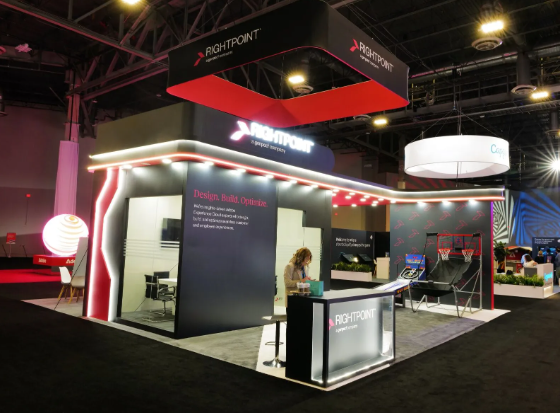
Trade shows continue to evolve as companies search for new ways to attract attention and communicate their brand messages effectively. Exhibition halls are often filled with competing displays, making it essential for exhibitors to present information in visually engaging ways. Digital technology has become an important tool in this environment because it allows brands to combine motion, visuals, and storytelling within their booth spaces.
Digital displays have gradually transformed how businesses interact with trade show audiences. Static banners and printed materials remain useful, but screens provide a dynamic platform that can present product demonstrations, brand narratives, and live presentations in a more compelling format. When used thoughtfully, these displays help capture attention from a distance and encourage visitors to approach the booth.
Large format screens, particularly LED video walls, have become increasingly common at major conventions and exhibitions. These displays create vibrant visual environments that stand out in crowded halls where companies compete for visitor interest. Because they can showcase motion graphics, presentations, and promotional videos, they offer exhibitors greater flexibility when presenting information.
Many exhibitors work with specialized trade show service providers to integrate these technologies into their booth environments. Companies such as TrueBlue Exhibits, a Las Vegas based exhibit design and production firm, support exhibitors by developing customized displays and managing key elements of the event process. Their services often include booth design, fabrication, graphics production, transportation, installation, dismantling, and storage. By combining creative design with digital display solutions, exhibitors can build engaging booth environments that leave lasting impressions on visitors.
The Growing Importance of Digital Media in Trade Shows
Digital media has become a central element of modern trade show marketing. Exhibition halls are highly competitive environments where exhibitors must capture attention within seconds. Traditional signage and printed graphics still play a role, but digital displays allow brands to communicate more dynamically. Moving visuals naturally draw attention and help companies share more information in a short period of time. As a result, many exhibitors now integrate screens and multimedia content into their booth designs to improve engagement.
- Capturing Attention in Busy Exhibition Spaces: Trade show visitors often walk through large halls filled with competing displays and promotional materials. Digital screens displaying motion graphics or product videos naturally attract the eye and encourage attendees to pause. This initial attention provides exhibitors with an opportunity to introduce their brand and begin meaningful conversations.
- Communicating Complex Information Quickly: Many products or services require explanations that cannot easily fit into short printed messages. Video demonstrations and animated presentations help simplify these ideas for visitors who may only spend a few moments at a booth. By presenting information visually, exhibitors can deliver clear messages while keeping visitors engaged.
- Flexible and Updatable Content During Events: Digital media allows exhibitors to modify content without replacing physical materials. Companies can rotate promotional messages, highlight different product features, or adjust presentations depending on audience interest. This flexibility ensures that messaging remains relevant throughout the event.
- Supporting Brand Storytelling and Engagement: Digital displays provide powerful storytelling opportunities that go beyond static images. Videos can demonstrate how products are used, highlight customer experiences, or showcase company milestones. These stories help visitors connect emotionally with the brand and remember the message long after leaving the booth.
Digital media continues to reshape how companies present themselves during exhibitions. Its ability to combine movement, visuals, and storytelling creates a more engaging experience for attendees. When used thoughtfully, digital displays help brands communicate information quickly while maintaining visitor interest. They also contribute to booth environments that feel modern and interactive. As trade show competition increases, the strategic use of digital media will remain an important factor in successful exhibit design.
How LED Video Displays Improve Audience Interaction
LED video displays have become one of the most powerful tools for capturing attention in trade show environments. These screens offer bright, high resolution visuals that remain visible even under strong exhibition hall lighting. Because of their clarity and scale, LED displays can attract visitors from across the aisle and draw them toward the booth.
One of the key advantages of LED displays is their ability to present motion based content. Movement naturally captures human attention, making animated graphics and video presentations highly effective in exhibition settings. When attendees notice dynamic visuals from a distance, curiosity often encourages them to approach the display to learn more.
LED displays also provide opportunities for interactive engagement. Companies can use these screens to present live product demonstrations, interactive presentations, or educational content that explains their services. Visitors may watch demonstrations, follow visual guides, or participate in presentations that highlight specific features of the brand’s offerings.
Another important benefit is the ability to deliver consistent messaging throughout the event. Video loops, branded visuals, and scheduled presentations allow companies to communicate their key messages continuously. Even when staff members are busy speaking with other visitors, the display continues presenting information to new attendees approaching the booth.
The visual scale of LED video displays also contributes to stronger brand visibility. Large screens positioned strategically within the booth act as visual anchors that guide visitors toward the exhibit. When combined with thoughtful booth design and clear messaging, these displays create an environment that feels modern and engaging.
As more exhibitors adopt visual technology, LED displays are becoming a common feature at major trade shows. Their ability to capture attention, communicate messages quickly, and support interactive presentations makes them a valuable tool for companies seeking to create memorable exhibition experiences.
Advantages of Las Vegas LED Video Wall Rental for Event Exhibitors
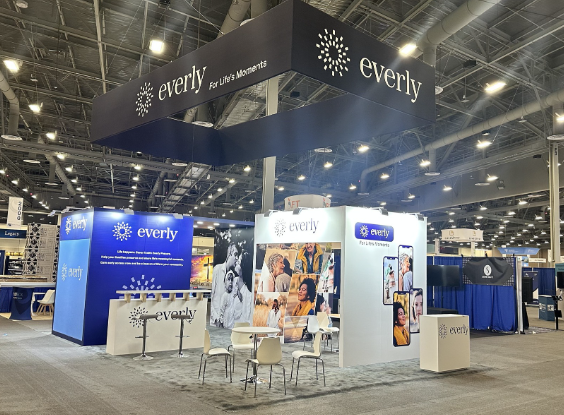
Trade show environments are highly competitive spaces where exhibitors must attract attention within a short amount of time. Visitors often walk through exhibition halls filled with colorful displays, banners, and marketing materials from many different companies. In such settings, visual technology plays a significant role in helping brands stand out. Large digital displays, especially LED video walls, provide bright and dynamic visuals that can easily draw the eye of passing attendees. By incorporating these displays into their booths, exhibitors can communicate their message in a visually engaging way that encourages visitors to stop and learn more.
- Stronger Visual Presence on the Exhibition Floor: LED video walls create bright, high resolution visuals that are visible even from a distance. Moving graphics, product videos, and promotional presentations naturally attract the attention of attendees walking past the booth. This increased visibility helps exhibitors stand out among the many displays competing for attention.
- Cost Efficiency Through Rental Solutions: Many companies participate in trade shows only a few times each year. Choosing a Las Vegas LED Video Wall Rental allows them to use advanced display technology without purchasing and maintaining the equipment themselves. Renting provides access to modern systems while avoiding long term ownership costs and storage requirements.
- Flexible Display Configurations for Different Events: Each trade show may require a unique booth layout depending on space and presentation needs. Rental options allow exhibitors to select screen sizes and configurations that match the design of their booth for a specific event. This flexibility ensures that the display supports the company’s marketing objectives while fitting comfortably within the available space.
- Professional Setup and Technical Support: Many exhibitors work with trade show service providers who specialize in exhibit design and digital display solutions. These teams may handle booth design, fabrication, graphic production, transportation, installation, and dismantling. Their technical experience ensures that LED displays are assembled correctly and function smoothly during the event.
LED video walls have become valuable tools for exhibitors seeking to create engaging booth environments. Their bright visuals and dynamic content help brands capture attention in busy exhibition halls. Rental solutions make the technology accessible without long term investment or equipment management. When supported by experienced trade show professionals, these displays can be integrated smoothly into exhibit designs. As a result, companies can focus on meaningful conversations with visitors while presenting their brand in a visually impressive way.
Designing Visual Content That Captures Attention
The effectiveness of digital displays depends largely on the quality of the content presented on them. While large screens can attract attention initially, engaging visuals and clear messaging are necessary to keep visitors interested once they approach the booth. Thoughtfully designed content helps communicate a brand’s message quickly in a busy trade show environment.
Clarity is one of the most important principles in exhibition content design. Trade show attendees often spend only a few moments looking at a display before deciding whether to engage further. Short headlines, bold visuals, and concise messaging help visitors understand the company’s offerings at a glance. Content that is too complex or text heavy may cause attendees to move on quickly.
Motion graphics and product demonstration videos are particularly effective in this setting. Animated visuals naturally attract attention and guide the viewer’s focus toward key information. Short clips showing product functionality, customer use cases, or brand highlights can communicate value much faster than static graphics alone.
Another important factor involves visual hierarchy. Designers typically structure digital content so that the most important information appears first, followed by supporting details. Large text elements, strong imagery, and clear branding help establish immediate recognition. Secondary information can then appear through additional slides or rotating video segments.
Consistency between digital content and physical booth graphics also improves the overall presentation. When colors, fonts, and imagery align with the booth design, the entire exhibit appears more cohesive and professional. Visitors are more likely to remember a brand when its visuals remain consistent across all elements of the display.
Effective visual content turns digital displays into powerful storytelling tools. When companies combine clear messaging with engaging visuals, the display becomes an invitation for visitors to stop, watch, and learn more about the brand.
Integrating Motion Graphics and Brand Messaging
Motion graphics have become an effective tool for communicating brand messages in exhibition environments. Trade show attendees are often surrounded by numerous displays competing for their attention. Animated visuals help exhibitors present information in a way that feels engaging and easy to understand within a short viewing time.
One advantage of motion graphics is their ability to simplify complex information. Products or services that require detailed explanations can be demonstrated visually through short animated sequences. Instead of relying solely on written descriptions, companies can illustrate product features, workflows, or benefits through movement and imagery.
Consistency between motion graphics and the brand’s identity is also essential. Colors, fonts, logos, and visual elements should match the company’s existing marketing materials. When these design elements remain consistent across digital displays and physical booth graphics, the brand becomes easier for visitors to recognize and remember.
Short visual segments are often more effective than long presentations in exhibition settings. Visitors may only watch a display for a brief moment while walking past the booth. Looping animations that repeat key messages allow attendees to catch the main idea regardless of when they begin watching the screen.
Another useful approach involves combining motion graphics with real product footage or customer experiences. A sequence that alternates between animated explanations and real world visuals can help audiences connect the product to practical use cases. This balance between creativity and clarity makes the content more relatable.
When motion graphics support a clear brand message, the digital display becomes more than a visual attraction. It becomes a storytelling platform that communicates the company’s identity, products, and values in a memorable way for trade show visitors.
Optimizing Booth Traffic Using Digital Displays
Managing visitor flow within a booth is an important part of creating a successful exhibition experience. While eye catching visuals attract people toward the booth, the layout and placement of digital displays influence how visitors move through the space. Strategic positioning of screens can guide attendees naturally toward key areas of the exhibit.
Large digital displays placed at the front of the booth often serve as attention points for passing visitors. These screens help capture interest from across the aisle and encourage attendees to approach the exhibit. Once visitors step closer, additional displays or demonstrations can lead them deeper into the booth where staff members are available to engage in conversation.
Content timing also plays a role in managing traffic. Some exhibitors schedule short presentations or demonstrations that appear on screens at regular intervals. Visitors who notice these scheduled presentations may pause nearby, creating opportunities for booth staff to introduce products and begin discussions.
Another helpful strategy involves using screens to highlight different sections of the booth. For example, one display may present an overview of the brand while another focuses on specific product features or services. This approach encourages visitors to explore different areas of the exhibit instead of remaining in one spot.
Digital displays can also support queue management when demonstrations or consultations attract larger audiences. Informational screens may guide visitors toward waiting areas or provide additional product details while they wait. This helps maintain a smooth flow of movement even during busy periods.
When screens are integrated thoughtfully into booth design, they become tools that shape how visitors experience the exhibit. Rather than simply displaying information, digital displays help create a structured environment where attendees move naturally through the space and interact with the brand in meaningful ways.
Technical Planning for Seamless Screen Installations
Successful use of digital displays at trade shows requires careful technical planning before the event begins. While the visual impact of LED screens is often the most noticeable feature, the preparation behind the scenes determines whether the system performs reliably throughout the exhibition. Early planning helps exhibitors avoid unexpected technical issues during the event.
One of the first considerations involves selecting the correct screen size and configuration for the booth layout. Exhibition spaces vary widely in shape and size, which means display placement must align with the booth design. Screens should remain clearly visible from the aisle without overwhelming other visual elements within the space.
Power supply and connectivity are also essential components of technical planning. Exhibition halls often have specific electrical requirements and regulations that exhibitors must follow. Coordinating these details with event organizers ensures that digital displays operate smoothly without interruptions.
Another important factor involves content compatibility and playback systems. Video files, motion graphics, and presentations must be tested in advance to confirm that they display correctly on the chosen screen format. This preparation helps prevent delays or adjustments during the event when booth teams are focused on interacting with visitors.
Many exhibitors work with professional exhibit service providers to manage these technical details. Experienced teams often handle design planning, equipment installation, and system testing before the exhibition opens. Their support allows companies to focus on presenting their products and engaging with visitors rather than troubleshooting equipment.
When digital displays are carefully planned and professionally installed, they contribute to a polished and reliable exhibition environment. Proper technical preparation ensures that screens deliver consistent visuals and support the overall presentation of the booth throughout the event.
Combining Physical Displays With Digital Storytelling
An effective trade show booth often combines physical design elements with digital storytelling tools. While digital displays attract attention and present dynamic content, physical structures such as product displays, signage, and seating areas create a tangible environment that visitors can explore. Together, these elements form a cohesive exhibition experience.
Physical displays allow attendees to see and interact directly with products. Visitors may examine materials, test features, or observe demonstrations conducted by booth staff. These hands on experiences help build trust and provide a deeper understanding of the product’s value.
Digital storytelling complements these physical interactions by presenting broader brand narratives. Video presentations, animated graphics, and visual case studies can explain how products are used in real world situations. These stories help visitors understand the context and impact of the brand’s offerings.
When digital and physical elements are coordinated effectively, they guide visitors through a clear journey within the booth. For example, a video display might introduce the company’s mission while nearby product stations allow visitors to explore specific features in greater detail. This combination encourages both visual engagement and direct interaction.
Consistent branding across all elements strengthens the overall presentation. Colors, logos, and messaging should appear similar across printed graphics, product displays, and digital screens. This visual consistency helps reinforce the brand identity and makes the booth easier for visitors to remember.
By blending digital storytelling with physical experiences, exhibitors can create booth environments that feel immersive and informative. Visitors leave with both a visual impression of the brand and a practical understanding of its products or services.
Measuring Engagement Through Interactive Displays
Measuring visitor engagement has become an important part of evaluating trade show success. Digital displays provide useful opportunities to track how attendees interact with a booth’s content. When exhibitors understand which visual elements capture attention, they can refine their strategies for future events and improve overall audience engagement.
Interactive displays allow companies to gather valuable insights about visitor behavior. Screens that include touch features, product selectors, or short surveys encourage attendees to participate actively rather than simply watching content. Each interaction can reveal what information visitors are most interested in exploring.
Data collected from these interactions often helps exhibitors understand patterns of engagement. For example, a company may notice that certain product videos attract more views or that specific features receive repeated attention from visitors. These insights help marketing teams identify which messages resonate most strongly with their target audience.
Another useful method involves tracking the duration of visitor engagement. If attendees remain near a display for several minutes, it often indicates that the content is informative or visually compelling. This information helps exhibitors determine whether their digital storytelling effectively communicates product benefits and brand values.
Interactive displays can also support lead generation during exhibitions. Some companies use digital forms or product selection tools that allow visitors to request additional information. When attendees voluntarily share their contact details, exhibitors gain valuable leads that can be followed up after the event.
By analyzing engagement data gathered from digital displays, exhibitors gain a clearer picture of how visitors respond to their booth. These insights allow companies to refine their messaging, adjust content strategies, and design even more effective exhibition experiences for future trade shows.
Conclusion
Digital displays have transformed the way companies present themselves at trade shows and exhibitions. In busy event environments where many brands compete for attention, visual technology provides an effective way to communicate messages quickly and clearly. When integrated thoughtfully into booth design, these displays help create engaging experiences that encourage visitors to stop, watch, and interact.
LED video walls, motion graphics, and interactive screens allow exhibitors to present information in dynamic ways that traditional signage cannot achieve alone. These technologies make it possible to demonstrate products, tell brand stories, and share customer experiences through compelling visual presentations. As a result, visitors gain a clearer understanding of what the brand represents and what it offers.
Successful use of digital displays depends on careful planning and strong creative direction. Content must remain clear, visually appealing, and consistent with the brand’s identity. When digital elements work together with physical booth structures, they create an environment that feels both immersive and professional.
Many exhibitors rely on experienced trade show partners to design and manage these integrated displays. Companies such as TrueBlue Exhibits support exhibitors by developing custom booth environments and handling essential services such as design planning, fabrication, graphic production, logistics coordination, installation, dismantling, and storage. This support allows businesses to focus on presenting their message while technical and logistical details are handled efficiently.
As trade show marketing continues to evolve, digital displays will remain an important part of creating memorable exhibition experiences. Brands that combine creative design with engaging technology often achieve stronger visibility and more meaningful connections with event audiences.
