

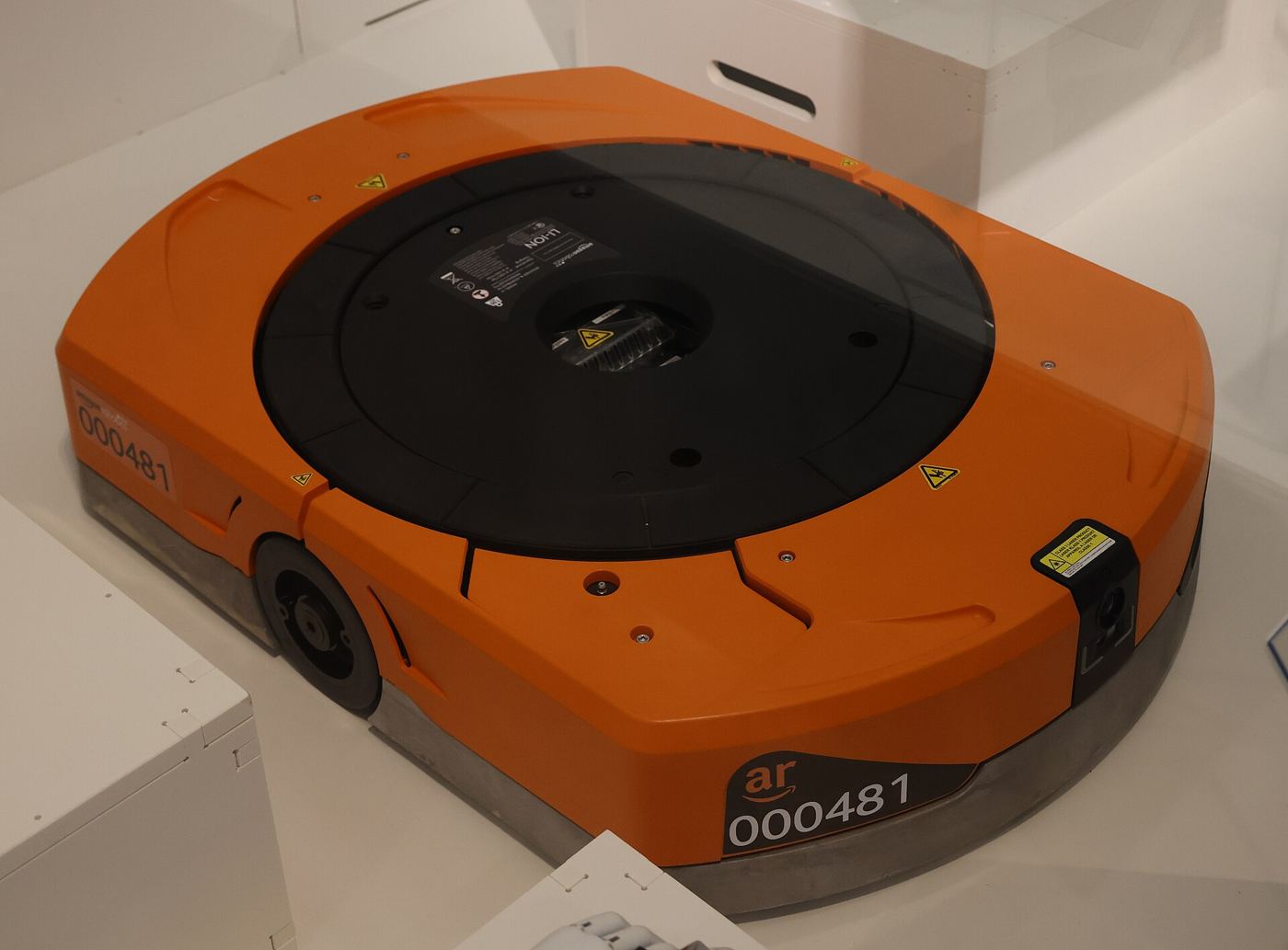
At two in the morning, the busiest warehouses are lit, humming and almost empty of people. Fleets of mobile robots glide between shelving pods, humanoid pilots steady boxes onto conveyors, and a small overnight crew supervises screens instead of pushing trolleys. Logistics operators say the night shift — long the hardest to staff — has become automation’s proving ground.
The economics are compelling. E-commerce demand does not sleep, and neither do delivery promises. Running fulfilment around the clock with robotic help smooths the morning dispatch peak and uses expensive buildings far more intensively. Labour shortages in many regions have turned that advantage into a necessity.
What the robots can and cannot do
Navigation and transport are solved problems; manipulation is not. Robots excel at moving shelves, scanning inventory and sorting uniform parcels. They struggle with the long tail of real warehouses: soft bags, odd shapes, damaged packaging. The newest systems pair computer vision with learning-based grasping, and facilities report steady gains, a trend our robotics coverage has followed from pilot to deployment.
Safety shapes the design. Most night operations separate robots and people into zones, with sensors stopping fleets instantly when a human enters. The occupational safety guidance emerging around collaborative automation emphasises exactly this layered approach.
Jobs move up the stack
The overnight workforce is smaller but more technical: robot wranglers, maintenance technicians and flow controllers replace pickers on the floor. Unions and operators continue to negotiate what transition support should look like, and retraining quality varies widely between employers.
The economics of the dark warehouse
Running robots at night also runs into the oldest warehouse constraint: energy and maintenance windows. Facilities are learning to schedule charging, cleaning and repairs into the demand troughs of early afternoon, treating the fleet like a transport network rather than a set of appliances. Fully “lights-out” operation remains rare — the phrase survives mostly in marketing — because a small human crew still outperforms any system at handling the exceptions that a million-parcel week guarantees.
Investors, meanwhile, have shifted their questions from whether robots work to how fast a site pays back. The answer, operators say, has compressed from years to months in high-wage markets, which is why the night shift — the most expensive hours to staff with people — became the beachhead. Daytime, with its dense human-robot collaboration, is the harder problem the industry tackles next.
Regional policy is starting to notice the night shift too. Logistics corridors compete for fulfilment investment on the promise of reliable overnight throughput, and economic-development agencies have begun counting robotic capacity alongside motorway junctions in their pitches. The towns that win the next decade’s warehouses will be those that pair the machines with the training pipelines to maintain them — a reminder that automation relocates work in geography as surely as in kind.
What seems settled is the direction. Each peak season, the share of parcels touched only by machines grows, and the warehouse of the next decade is being designed robot-first — with the night shift as its blueprint.
