

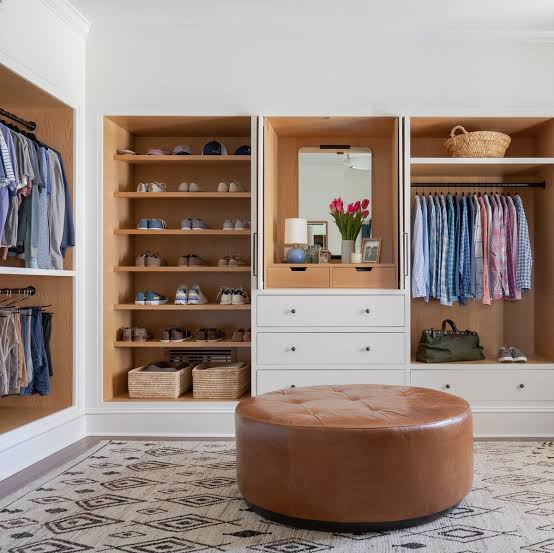
A useful capsule wardrobe begins with your week, not with a predetermined number of garments. Think about the places you go, the weather you encounter, and how often you wash clothing. A compact selection should make those ordinary situations easier to dress for. Its value comes from reliable combinations, with enough variety to feel like your own wardrobe rather than a uniform someone else designed.
Map your real clothing needs
Write down three or four recurring situations, such as working from home, commuting, meeting friends, and spending time outdoors. Then note what each situation requires from your clothing. You might need comfortable movement, an extra layer for cool rooms, or trousers that work with different shoes. These practical requirements give you a clearer starting point than an abstract list of wardrobe essentials.
If you are considering something from the Corteiz collection, give it a specific role before adding it to your list. Decide whether it would replace an item you already use, complete an unfinished outfit, or offer a genuinely different option. An appealing piece can still be unnecessary if several garments already serve the same purpose equally well.
Include the unremarkable parts of the week in this exercise. An outfit for a short errand, an evening at home, or a wet walk to the station may be used more often than clothing for occasional plans. Also note any restrictions, such as a workplace dress code or limited storage. These details help you decide where flexibility matters most. The goal is to cover your actual routine comfortably before making room for combinations you only imagine wearing.
Choose connectors between outfits
Connector pieces are the items that move easily between the outfits you need. A pair of trousers might work with a relaxed top for an ordinary afternoon and a more structured layer for an evening plan. These garments do not have to be plain. Their usefulness depends on how well their shape, colour, and level of formality relate to the rest of your selection.
Lay out possible combinations before making assumptions about versatility. Try each top with at least two bottoms, then add the outer layers and shoes you usually wear. Notice which pieces repeatedly create a comfortable, complete outfit. If a garment works only with one very specific combination, decide whether you enjoy that combination enough to give it space in a smaller wardrobe.
A simple outfit grid can make these connections visible. Put your selected bottoms across the top of a page and your tops down one side, then mark the combinations you would willingly wear. Add a brief note where a particular shoe or jacket is needed. You do not need every square to work. Look for a useful spread of options, and watch for any garment that depends on several additional purchases before it can become part of an outfit.
Use colour as a practical guide
Choose a few colours you already enjoy wearing together, then build around those relationships. You might prefer warm neutrals with muted green, or darker shades with occasional bright accents. There is no need to select a universal palette. The goal is to reduce accidental mismatches while keeping room for the colours that make getting dressed enjoyable for you.
Consider colour placement as well as the colours themselves. A bold top can work with several quieter bottoms, while distinctive trousers may need a more consistent group of tops. Patterns can also connect a wardrobe if they repeat colours found elsewhere in it. Test those connections in daylight, because indoor lighting can make similar shades appear more closely matched than they actually are.
Keep an eye on contrast as well as colour names. Two dark pieces may look very close indoors yet differ noticeably outside, while a lighter layer can break up a combination you find too uniform. Try the entire outfit before deciding whether a new shade belongs in the selection. If you enjoy a colour that fits fewer combinations, reserve space for it deliberately. A small wardrobe can include a favourite statement piece without making every other item coordinate with it.
Leave room for laundry and change
A wardrobe that looks efficient on paper can become frustrating if every useful item is waiting to be washed. Check care labels and plan around your actual laundry routine. Frequently worn base layers may need more backup than an occasional outer layer. Keep enough flexibility for an unexpectedly wet day, a delayed wash, or a change in your schedule.
Review the selection after wearing it for a while. Note the outfits you reached for repeatedly and the items you kept skipping. A neglected garment may need a different partner, a simple alteration, or a more suitable place in your wider wardrobe. Adjusting a capsule is part of making it useful. The aim is a dependable set of choices that can change as your everyday needs change.
Separate everyday availability from total ownership. You can keep a compact group within easy reach while storing seasonal or occasional clothing elsewhere, provided the storage suits the garments. This avoids forcing one small selection to cover every month and event. When the weather changes, swap in what you need and review the combinations again. The important boundary is practical: your frequently used clothing should be accessible and ready to wear, while other pieces remain easy to find when needed.
Try a short wardrobe trial
Before buying anything, select a small group from your current wardrobe and use it for several ordinary days. Keep the rest available if necessary, but note every time you reach beyond the selection and why. A missing warm layer is a different problem from wanting more colour, and each calls for a different adjustment.
At the end of the trial, identify the most useful combinations and the genuine gaps. You may find that a single alteration makes an existing piece easier to wear, or that moving an overlooked garment into view adds the variety you wanted. Make any shopping list from those observations, with a clear role and a few planned combinations beside each item.
For further reading, visit Techsslaash. For your own wardrobe, begin with one week’s real needs and a handful of complete outfits. The resulting selection does not have to look impressive laid out on a rail; it needs to make everyday dressing feel straightforward, comfortable, and personal.
