

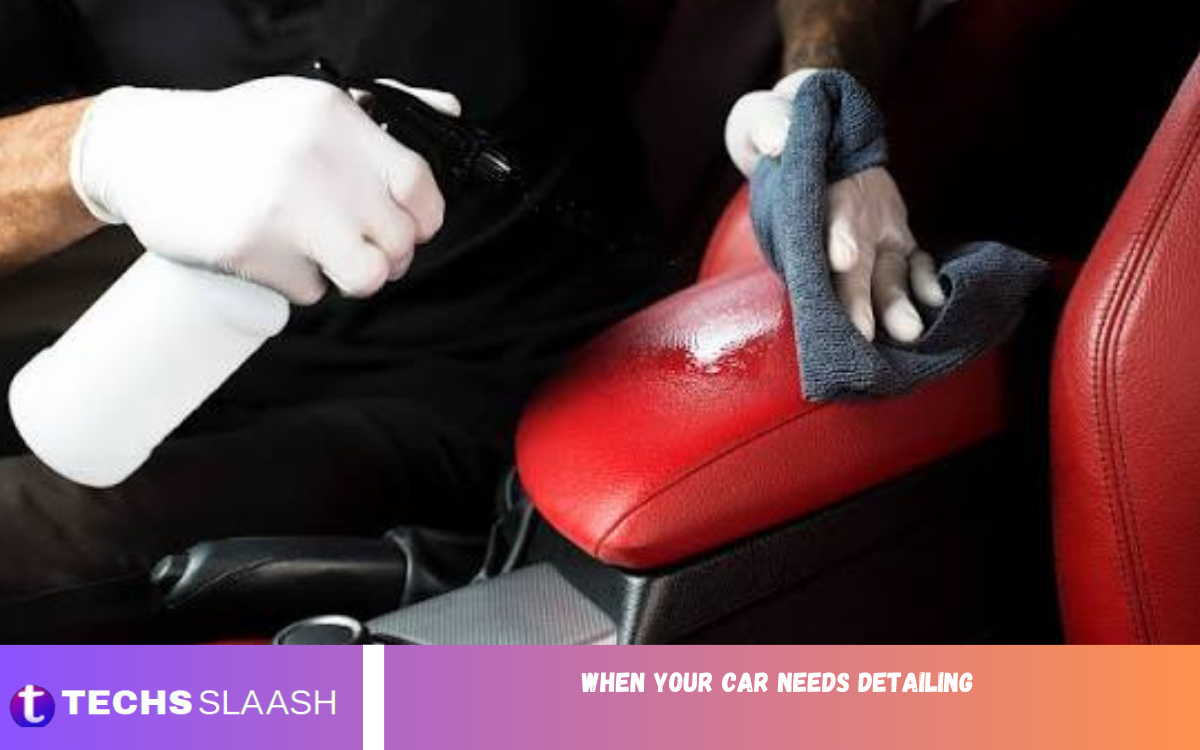
Your car is more than just a mode of transportation; it’s an investment that deserves regular care and attention. While routine washing helps remove surface dirt, it doesn’t provide the deep cleaning and protection that professional car detailing offers.
Or simply want your vehicle to look its best, detailing should be part of your regular maintenance routine. Common signs such as faded paint, stubborn stains, unpleasant odors, cloudy headlights, swirl marks, or a dull finish indicate that your vehicle requires more than a basic wash.
What Is Car Detailing?
Car detailing is a thorough cleaning and restoration process that goes far beyond an ordinary car wash. It focuses on every visible surface of the vehicle, including:
- Exterior paint
- Wheels and tires
- Glass
- Engine bay
- Interior upholstery
- Dashboard
- Door panels
- Leather surfaces
- Carpets
- Air vents
Professional detailing may also include paint correction, ceramic coating, waxing, headlight restoration, odor removal, leather conditioning, and fabric protection.
Why Car Detailing Matters?
Many vehicle owners underestimate the importance of detailing until visible damage appears. Regular detailing offers numerous benefits:
- Protects paint from oxidation
- Prevents corrosion
- Removes contaminants
- Restores gloss
- Preserves upholstery
- Improves driving comfort
- Eliminates bacteria and allergens
- Enhances resale value
- Extends vehicle lifespan
A clean vehicle also creates a better driving experience while making a positive impression.
Signs Showing When Your Car Needs Detailing
The Paint Looks Dull
One of the clearest indicators is faded or dull paint.
A healthy paint surface reflects light evenly and appears glossy. Over time, UV rays, pollution, rain, and contaminants reduce the shine.
Professional polishing restores gloss while protective wax or ceramic coating prevents future damage.
Water No Longer Beads on the Surface
When your vehicle has proper paint protection, water forms small beads and rolls off easily.
If water spreads across the surface instead, the protective layer has worn away.
This means your car needs professional detailing and paint protection.
Swirl Marks Are Visible
Swirl marks usually appear after improper washing techniques.
These tiny scratches become noticeable under sunlight.
Professional paint correction safely removes swirl marks while restoring a smooth finish.
Bird Droppings and Tree Sap Remain
Bird droppings contain acidic compounds that quickly damage automotive paint.
Tree sap hardens over time, becoming difficult to remove.
Professional detailing safely removes these contaminants before permanent damage occurs.
Interior Odors Persist
A fresh-smelling cabin indicates proper maintenance.
If unpleasant smells remain after vacuuming, contaminants have likely penetrated carpets, seats, or air vents.
Professional detailing includes deep extraction and odor elimination.
Stains Cover the Seats
Coffee spills, food stains, mud, ink, and pet accidents gradually penetrate upholstery.
Surface cleaning rarely removes deep stains.
Detailing restores fabric and leather using specialized cleaning products.
Dust Builds Up Quickly
Dust trapped inside air vents, dashboard seams, and storage compartments affects cabin cleanliness.
Professional detailing reaches difficult areas that standard cleaning cannot access.
Leather Begins Cracking
Leather requires moisture and conditioning.
Without maintenance, leather becomes:
- Dry
- Stiff
- Cracked
- Discolored
Professional leather treatment restores softness while preventing further deterioration.
Headlights Become Cloudy
Oxidized headlights reduce nighttime visibility.
Professional detailing often includes headlight restoration, improving both appearance and driving safety.
Wheels Look Permanently Dirty
Brake dust contains metallic particles that bond to wheel surfaces.
Professional wheel cleaning removes stubborn deposits while protecting wheel finishes.
Seasonal Reasons Your Car Needs Detailing
Spring
Winter leaves behind:
- Road salt
- Mud
- Sand
- Moisture
Spring detailing removes harmful residue before corrosion develops.
Summer
High temperatures expose paint to:
- UV rays
- Heat
- Bird droppings
- Tree sap
Protective coatings reduce sun damage.
Autumn
Leaves release organic acids that stain paint.
Rain also traps dirt beneath fallen leaves.
Detailing prepares the vehicle before winter.
Winter
Snow, slush, and road salt accelerate corrosion.
Protective waxes and ceramic coatings help shield paint during harsh conditions.
Read Also: CMMC Level 1 vs. Higher Tiers
How Often Should You Detail Your Car?
Detailing frequency depends on driving habits.
Every 3–4 Months
Ideal for:
- Daily commuters
- Family vehicles
- Urban drivers
Every 6 Months
Suitable for:
- Moderate driving
- Garage-kept vehicles
Monthly Maintenance
Luxury vehicles and show cars benefit from regular maintenance detailing.
Exterior Detailing Services
Professional exterior detailing may include:
- Foam wash
- Clay bar treatment
- Paint decontamination
- Paint correction
- Machine polishing
- Wax application
- Ceramic coating
- Tire dressing
- Wheel cleaning
- Glass polishing
- Trim restoration
These services restore appearance while protecting surfaces.
Interior Detailing Services
Interior detailing commonly includes:
- Deep vacuuming
- Steam cleaning
- Carpet shampoo
- Leather conditioning
- Dashboard restoration
- Plastic trim protection
- Window cleaning
- Air vent cleaning
- Odor removal
- Fabric protection
The result is a cleaner, healthier interior.
Benefits of Professional Car Detailing
Protects Vehicle Value
Well-maintained vehicles command higher resale prices.
Buyers appreciate clean interiors and flawless paint.
Improves Driving Experience
A spotless cabin creates a more enjoyable environment.
Reducing dust and allergens improves air quality.
Prevents Expensive Repairs
Routine detailing prevents:
- Paint oxidation
- Rust
- Leather cracking
- Interior fading
Preventive maintenance costs less than repairs.
Enhances Appearance
Professional polishing restores showroom-quality shine.
The vehicle looks newer and more attractive.
Extends Paint Life
Protective coatings shield paint from:
- UV damage
- Rain
- Pollution
- Dirt
- Chemicals
DIY Detailing vs Professional Detailing
DIY Detailing
Advantages:
- Lower cost
- Flexible schedule
- Personal satisfaction
Limitations:
- Limited equipment
- Less effective stain removal
- Higher risk of paint damage
Professional Detailing
Advantages:
- Expert techniques
- Commercial-grade products
- Advanced polishing equipment
- Paint correction
- Long-lasting protection
- Better overall results
Professional detailing provides a level of restoration difficult to achieve at home.
Common Mistakes That Damage Your Vehicle
Avoid these habits:
- Washing under direct sunlight
- Using household detergents
- Skipping wax protection
- Using dirty towels
- Ignoring bird droppings
- Delaying stain removal
- Using abrasive brushes
- Allowing road salt to remain
Correct maintenance significantly extends vehicle life.
Tips for Keeping Your Car Cleaner Between Detailing
Follow these practices:
- Wash every two weeks.
- Remove bird droppings immediately.
- Vacuum weekly.
- Clean spills promptly.
- Use microfiber towels.
- Apply spray wax regularly.
- Park in shaded areas.
- Install floor mats.
- Avoid eating inside the vehicle.
- Keep windows closed during dusty conditions.
Small habits reduce long-term wear.
Is Ceramic Coating Worth It?
Ceramic coating has become increasingly popular because it offers:
- Long-lasting protection
- Easier washing
- Enhanced gloss
- UV resistance
- Chemical resistance
- Hydrophobic properties
Although more expensive than traditional wax, ceramic coating provides years of protection when properly maintained.
Does Detailing Increase Resale Value?
Yes. Vehicles with detailed interiors and polished exteriors consistently attract more buyers.
A professionally maintained car often sells faster because buyers perceive it as well-cared-for.
Documentation showing regular detailing can further improve buyer confidence.
Choosing the Right Detailing Service
Look for professionals offering:
- Positive customer reviews
- Quality detailing products
- Paint correction expertise
- Ceramic coating certification
- Transparent pricing
- Before-and-after photos
- Insurance coverage
- Satisfaction guarantees
Choosing experienced professionals ensures superior results.
Frequently Asked Questions
Can car detailing improve my vehicle’s resale value?
Yes. Regular detailing keeps your vehicle looking newer, protects the paint and interior, and demonstrates proper maintenance, making it more attractive to potential buyers and increasing its resale value.
Is professional detailing worth the cost?
Professional detailing is a worthwhile investment because it helps prevent paint damage, interior wear, rust, and fading while extending your vehicle’s lifespan. It also saves money on costly repairs in the long run.
Does detailing remove scratches from my car?
Detailing can remove light scratches, swirl marks, and minor paint imperfections through paint correction and machine polishing. However, deep scratches that penetrate the paint may require professional body repair.
How long does a full car detailing service take?
A complete car detailing service typically takes between 3 and 8 hours, depending on the vehicle’s size, condition, and the services included. Advanced treatments like ceramic coating may require additional curing time.
Should I detail my car before applying a ceramic coating?
Yes. A thorough detailing and paint correction are recommended before applying a ceramic coating. This ensures the coating bonds properly to a clean, smooth surface and delivers the best protection and shine.
Can detailing remove bad odors from my car?
Yes. Professional interior detailing includes deep cleaning of carpets, seats, upholstery, and air vents, which helps eliminate odors caused by food spills, pets, smoke, mold, and bacteria rather than simply masking them.
What are the benefits of regular car detailing?
Regular car detailing protects your vehicle’s paint, preserves the interior, improves appearance, enhances driving comfort, increases resale value, prevents long-term damage, and keeps your car looking clean, fresh, and well-maintained throughout the year.
Conclusion
Knowing when your car needs detailing helps preserve both appearance and performance. Signs such as dull paint, water no longer beading, stubborn stains, unpleasant odors, faded headlights, swirl marks, and dirty interiors indicate that standard washing is no longer enough. Professional detailing restores your vehicle inside and out while protecting it against everyday wear, environmental damage, and premature aging.
Regular detailing is more than a cosmetic service—it is preventive maintenance that safeguards your investment.
