

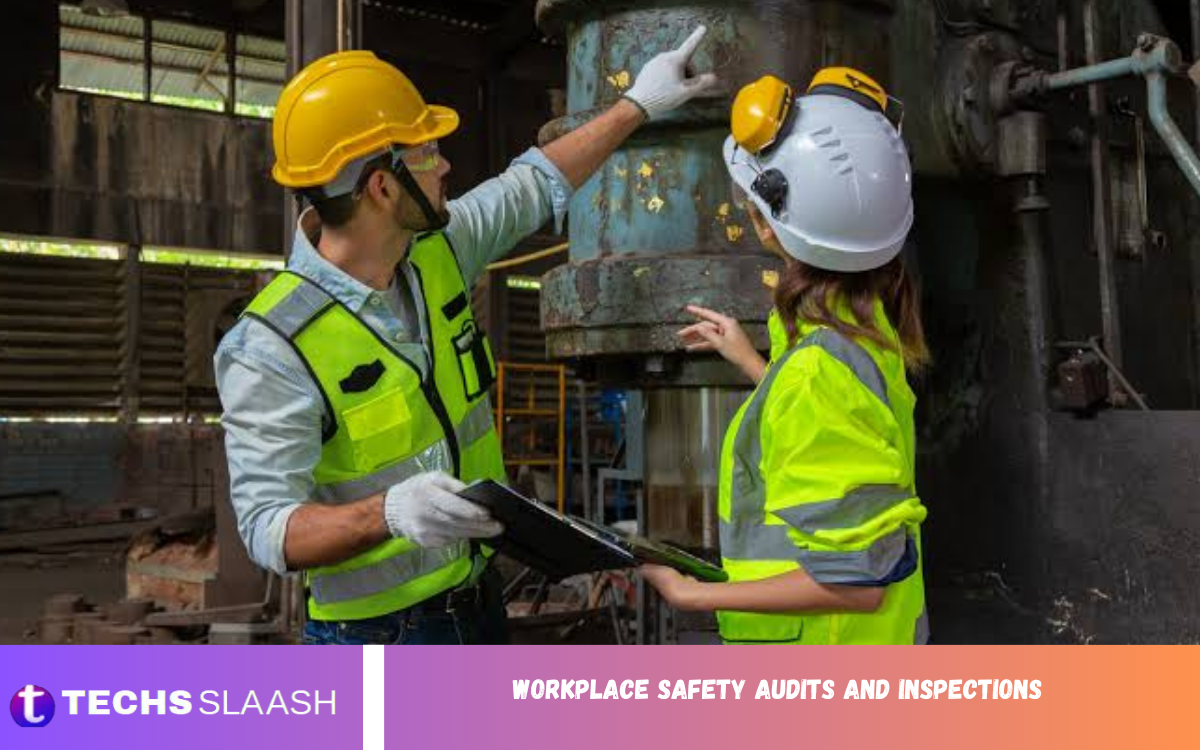
Workplace Safety Audits and Inspections are essential for maintaining a safe, compliant, and productive work environment. Every organization, regardless of industry or size, faces workplace hazards that can lead to injuries, property damage, legal penalties, and financial losses if left unaddressed. Regular safety evaluations help identify these risks before they become serious incidents.
A structured safety program protects employees while strengthening business operations. Workplace safety audits examine the effectiveness of existing safety management systems, while inspections focus on identifying visible hazards and unsafe conditions. Together, these processes reduce workplace accidents, improve regulatory compliance, and build a culture where safety becomes a shared responsibility.
What Are Workplace Safety Audits and Inspections?
A workplace safety audit is a comprehensive review of an organization’s safety policies, procedures, training programs, documentation, and overall safety management system. It evaluates whether the organization follows established standards and continuously improves workplace safety.
A workplace safety inspection is a systematic examination of work areas, equipment, machinery, and employee practices to identify immediate hazards. Inspections are performed more frequently than audits and focus on correcting unsafe conditions before they result in injuries.
Why Workplace Safety Audits and Inspections Matter?
Employee safety should always remain a top business priority. Regular audits and inspections reduce accidents by identifying hazards early and ensuring corrective actions are implemented promptly.
Beyond protecting workers, these evaluations minimize downtime, reduce compensation claims, improve employee confidence, and demonstrate a company’s commitment to maintaining a healthy work environment.
Difference Between Safety Audits and Safety Inspections
Although both processes aim to improve workplace safety, they serve different purposes. Audits evaluate the effectiveness of an organization’s overall safety management system, including documentation, policies, and compliance practices.
Inspections focus on physical workplace conditions such as equipment, walkways, electrical systems, emergency exits, and housekeeping. They identify hazards requiring immediate correction before they create serious safety issues.
Types of Workplace Safety Audits
Internal safety audits are conducted by company personnel to monitor compliance with internal policies and identify improvement opportunities. These audits support continuous safety performance and operational excellence.
External audits are performed by independent professionals or regulatory agencies. They provide objective assessments, verify legal compliance, and identify weaknesses that internal teams may overlook.
Types of Workplace Safety Inspections
Routine inspections occur daily, weekly, or monthly depending on workplace risks. Supervisors inspect equipment, workstations, emergency systems, and employee practices to maintain ongoing safety.
Special inspections are conducted after equipment installation, workplace modifications, accidents, or severe weather events. These inspections ensure changing workplace conditions remain safe for employees.
Benefits of Workplace Safety Audits and Inspections
Regular safety evaluations significantly reduce workplace accidents by identifying hazards before injuries occur. Preventive action saves lives while lowering repair costs, insurance claims, and operational disruptions.
Strong safety programs also improve employee morale. Workers who feel protected become more engaged, productive, and committed to following established safety procedures.
Legal Compliance and Regulatory Requirements
Many countries require employers to maintain safe workplaces through occupational health and safety regulations. Safety audits help organizations verify compliance with these legal requirements.
Routine inspections also ensure emergency equipment, safety signage, fire protection systems, and hazardous material storage meet applicable standards, reducing the risk of penalties and legal action.
Preparing for a Workplace Safety Audit
Preparation begins with reviewing company safety policies, training records, maintenance logs, inspection reports, and incident documentation. Accurate records demonstrate commitment to workplace safety.
Management should also communicate audit objectives to employees. Staff participation encourages transparency, improves cooperation, and provides valuable insights into daily workplace operations.
Steps in Conducting Workplace Safety Inspections
The inspection process begins with planning. Inspectors determine which work areas require evaluation, prepare checklists, and gather previous inspection reports for comparison.
During the inspection, hazards are documented, photographs are collected when necessary, and corrective actions are assigned according to risk severity and implementation priority.
Common Workplace Hazards Identified During Inspections
Slips, trips, and falls remain among the most common workplace hazards. Wet floors, uneven surfaces, poor lighting, and cluttered walkways significantly increase accident risks.
Other frequently identified hazards include exposed electrical wiring, faulty machinery, inadequate personal protective equipment, chemical exposure, improper lifting practices, and blocked emergency exits.
Read Also: Automotive Manufacturing Recruitment: Top Skills Employers Seek
Safety Audit Checklists
A detailed safety checklist improves consistency during workplace evaluations. Checklists typically include emergency preparedness, electrical safety, machine guarding, fire prevention, housekeeping, and employee training.
Customized checklists should reflect industry-specific risks. Manufacturing facilities, construction sites, healthcare organizations, and offices all require different inspection priorities.
Employee Participation in Safety Audits
Employees play a critical role in identifying hazards because they interact with workplace equipment and processes every day. Their observations often reveal risks that management may overlook.
Encouraging employee feedback creates a positive safety culture. Workers become more willing to report hazards, suggest improvements, and participate in corrective action initiatives.
Technology in Workplace Safety Audits and Inspections
Modern organizations increasingly use digital inspection software, mobile applications, cloud reporting systems, and automated checklists. These technologies simplify documentation and improve reporting accuracy.
Artificial intelligence, wearable safety devices, drones, and smart sensors also support proactive hazard detection, allowing organizations to respond quickly before incidents occur.
Corrective and Preventive Actions
Identifying hazards represents only the first step. Organizations must implement corrective actions promptly to eliminate or reduce identified risks before injuries occur.
Preventive actions focus on improving processes, updating procedures, enhancing employee training, and strengthening safety management systems to prevent future incidents.
Measuring Safety Performance
Organizations should monitor key performance indicators such as incident rates, near-miss reports, corrective action completion, inspection frequency, and employee participation levels.
Regular performance reviews help management identify trends, evaluate safety initiatives, and allocate resources toward continuous workplace improvement.
Challenges in Workplace Safety Audits and Inspections
Limited resources, inadequate training, poor documentation, and inconsistent inspection schedules often reduce the effectiveness of workplace safety programs.
Resistance from employees or management may also hinder safety improvements. Strong leadership support and clear communication help overcome these obstacles while promoting long-term compliance.
Best Practices for Effective Workplace Safety Audits and Inspections
Develop a structured inspection schedule, maintain updated safety documentation, train employees regularly, and review corrective actions after every audit. Consistency strengthens workplace safety programs.
Organizations should also encourage open reporting, continuously update risk assessments, and use data-driven decision-making to improve safety performance over time.
Frequently Asked Questions (FAQs)
What are Workplace Safety Audits and Inspections?
They are systematic evaluations that identify workplace hazards, verify compliance, and improve employee safety.
How often should workplace safety inspections be conducted?
High-risk workplaces may require daily inspections, while lower-risk environments often perform weekly or monthly inspections.
Why are safety audits important?
Safety audits evaluate the effectiveness of safety management systems and identify opportunities for continuous improvement.
Who conducts workplace safety audits?
Internal safety teams, supervisors, third-party consultants, or government inspectors may conduct workplace safety audits.
What is the difference between an audit and an inspection?
Audits evaluate entire safety systems, while inspections focus on identifying immediate workplace hazards.
What should a workplace safety checklist include?
It should include fire safety, electrical systems, emergency exits, PPE, housekeeping, machinery, and hazard communication.
How do audits reduce workplace accidents?
They identify weaknesses, improve compliance, strengthen training, and ensure corrective actions are completed.
Can digital tools improve workplace safety inspections?
Yes. Mobile apps, cloud reporting, digital checklists, and smart sensors improve efficiency, documentation, and hazard tracking.
What industries benefit from workplace safety audits?
Construction, manufacturing, healthcare, logistics, mining, energy, retail, education, and office environments all benefit.
How can employees contribute to workplace safety?
Employees should report hazards, follow safety procedures, participate in training, and support continuous improvement initiatives.
Conclusion
Workplace Safety Audits and Inspections are fundamental components of every successful safety management program. They identify hazards, improve regulatory compliance, strengthen employee awareness, and reduce workplace accidents before they occur.
A proactive approach to workplace safety benefits employees, employers, customers, and stakeholders alike.
