

A World Guided By Print, Voices, And Streets
Marketing did not begin with screens or algorithms. Long before the internet existed, businesses relied on physical presence, word of mouth, printed distribution, and public communication to attract attention. Town squares were once the center of commerce, and marketing lived in the rhythm of daily movement. Shopkeepers painted signs, hung banners over doorways, and placed product displays in windows, hoping to catch the eye of passersby. Street vendors called out prices, described goods aloud, and used personality to persuade buyers one sale at a time. Markets buzzed with sound, color, and conversation because visibility depended on being seen and heard physically. The concept was simple. If you wanted customers, you had to meet them where they stood.
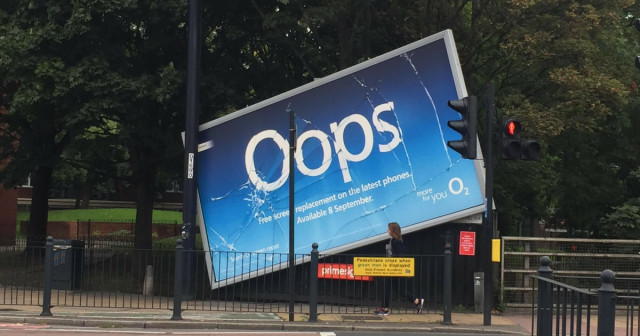
Billboards came later as populations grew and travel pathways expanded. These early boards were hand-painted, large and boldly designed to be read quickly by people passing on foot, by carriage, or eventually in automobiles. Placement mattered. A sign near a busy road could influence thousands, while one tucked away would influence almost none. That principle remains unchanged today, though the digital world later redefined what a high-traffic location means. Back then, traffic meant bodies, wheels, footsteps and eyes — not pageviews or impressions.
Print Media Becomes A Marketing Powerhouse
As printing evolved, newspapers and magazines became essential channels for promotion. Businesses purchased column space to announce products, upcoming store openings, seasonal discounts, and service availability. These early ads were text-heavy, direct and simple, reflecting the literacy style of their era. They served both information and persuasion. A consumer reading their morning paper might decide what bakery to visit or which tailor to hire based on what appeared in ink beside the day’s headlines.
Over time, print design matured. Instead of plain lists, ads incorporated illustrations, ornate fonts, persuasive narratives, and emotional appeal. A soap ad showed glowing skin, a chocolate ad promised comfort, and a sewing machine ad depicted family stability. Printed material became more than notice boards. It became storytelling. Readers not only received information. They received imagination and desire. Marketers understood that emotional messaging created demand, and print gave them a medium to refine that skill generation after generation.
Direct mail became another tool. Businesses sent flyers, coupons, and catalogues directly to households. The experience felt personal compared to public advertising. People flipped through catalogs with curiosity, circling items they wanted or tearing out pages to save for later. Sales often rose not because customers sought products independently, but because paper arrived at their doorstep with ideas they had not considered. Marketing before the internet relied on patience, physical delivery, and long-term presence inside homes.
Radio And The Rise Of Voice-Based Persuasion
When radio entered homes, marketing gained a new voice — literally. Commercials became part of the daily sound. Families gathered around evening broadcasts, and between shows came messages from sponsors. These messages felt different from print. They carried tone, personality, music, and rhythm. A radio ad could create familiarity with a brand simply through repetition of a catchy jingle. Even without visuals, people remembered melodies and phrases for years.
Marketing on the radio also supported storytelling in motion. An announcer could paint vivid pictures through description, sometimes more effectively than ink. Radio allowed real-time updates and nationwide reach with speed unknown in earlier eras. A sale could be announced in the morning and influence crowds by midday. Companies sponsored programs to maintain brand association — a strategy still used through modern streaming campaigns today.
Television Introduces Emotion, Image, And Mass Influence
Television changed everything. Where print offered visuals and radio delivered voice, TV combined both with movement. Commercials could show food sizzling, soap sparkling, and cars gliding down scenic roads. They introduced character, humor, and cinematic creativity. People didn’t just learn about products. They felt them through simulated experiences. Advertising shifted from logic-driven messaging to emotion-driven persuasion.
Consumers formed connection not just with brands but with personalities tied to them. Mascots, slogans, and signature jingles embedded themselves into culture. Marketing became entertainment. People talked about commercials, remembered them decades later, quoted them at work, and repeated them to friends. A successful TV campaign could shape perception nationwide faster than any medium before it.
This era also demanded polish. Video production required scriptwriting, set design, editing, voice talent, and strategic planning. Marketing teams grew, and businesses needed professionals to manage it properly.
The Emergence Of The Advertising Agency
With so many communication channels emerging, companies began turning to specialists who could craft persuasive messaging and handle media placement. The advertising agency became a central player in marketing history. Including the phrase advertising agency here fits naturally, because agencies shaped how marketing evolved long before digital tools existed. They assembled teams of writers, designers, illustrators, strategists, and researchers who understood human behavior and cultural trends. Their purpose was not only to place ads but to shape campaigns with creativity and consistency.
Agencies built iconic brands by developing slogans that lived for generations. They negotiated space in publications, created print layouts, planned radio schedules, and produced television commercials. In many ways, they created the foundation of modern marketing literacy. Even digital marketing today reflects strategies first refined inside traditional agency walls.
Billboards, Trade Shows, And Physical Promotion
Other forms of pre-internet marketing relied on presence. Companies sponsored community events, presented at trade shows, and placed signage in stadiums and shopping centers. Promotional teams handed out samples, shook hands, and engaged directly with customers. Trust was built through face-to-face interaction. Relationship marketing was tangible.
Outdoor advertising reached travelers and commuters, becoming especially impactful as car ownership increased. A memorable billboard along a highway could influence thousands of drivers every day. The goal was recognition. Even if someone didn’t pull over immediately, the brand name stayed in their mind for later.
Trade shows offered businesses the chance to showcase products physically. Demonstrations mattered because customers could see, touch, and test items. In a world without online reviews, in-person experience was the closest tool for validation.
The Thread That Connects It All
Before the internet, marketing was slower, more physical and more tactile, yet incredibly effective within its environment. Words printed on paper, voices broadcast through radios, images glowing on television screens — each medium built its own form of influence. The purpose has always remained the same. To be seen. To be remembered. To be chosen.
Although digital marketing now dominates, the roots beneath it are old, layered, and deeply human. Stories, communication, repetition, emotion, and placement — these existed centuries before the first webpage loaded. The internet changed delivery, not intention. The foundations were built long before wifi, carried by ink, by voice, by movement and by the crowded marketplace where marketing first learned to speak.
