

Immediate Paths to Purchase and Value for Procurement Teams
Engineers and buyers can Buy Valve Online from a trusted supplier of valves, fittings, and actuators. When downtime costs thousands per hour, procurement teams need a partner who keeps ball valves, gate valves, globe valves, butterfly valves, and check valves in stock with transparent pricing and fast shipping. EON Supply’s curated catalog delivers exactly that. Instead of chasing lead times across multiple vendors, you consolidate sourcing in one transaction.
For fast procurement of ANSI 150 flanged ball valves, Buy Valve Online to access competitive pricing and quick shipping. Whether you’re replacing a corroded check valve in a municipal water plant or specifying a pneumatic actuator package for a new skid, the platform surfaces best sellers and technical specs without forcing you to download a PDF or wait for a sales call. Multi-language support and responsive help streamline sourcing for global teams. Reliable service, lasting performance, and competitive pricing aren’t marketing slogans—they’re the baseline requirements maintenance managers and OEM engineers demand when they commit budget and project timelines.
Shop by Valve Type: Core Industrial Valves Catalog
Ball Valve: Full Port, PTFE Seats, On/Off Control
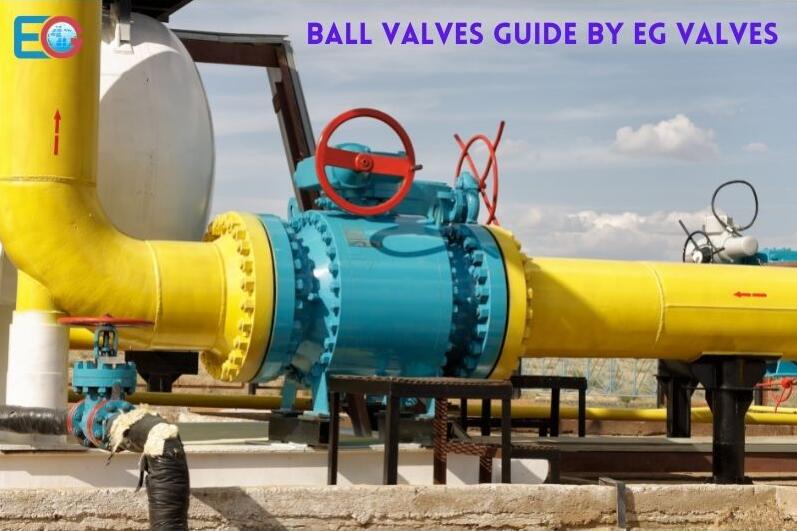
Ball valves dominate when you need a tight shutoff and minimal pressure drop. Full-port designs keep flow area equal to the pipe bore, so pumps work less and energy costs stay down. PTFE seats tolerate a broad chemical spectrum—from deionized water to mild acids—and deliver bubble-tight Class VI shutoff. Options in SS316 and CF8M cover corrosive media; both FNPT threaded ends and ANSI 150 flanged configurations let you match the valve to existing piping without fabricating adapters. Pneumatic or electric actuator packages bolt directly to ISO mounting pads, automating batch processes or emergency shutdowns with a few air fittings and a couple of wires.
Gate Valve: Isolation in Low-Turbulence, Full-Open Service
Gate valves excel at isolation rather than throttling. The wedge or slab gate lifts completely out of the flow path, producing negligible turbulence and pressure loss when fully open. Ductile iron bodies handle municipal water, wastewater, and general industrial fluids at lower cost than stainless, while CF8M or SS316 versions serve chemical and marine environments. Class 150 applications typically use rising-stem variants for visual position indication; non-rising-stem designs save vertical clearance in tight spaces. Flanged ends simplify maintenance—unbolt the companion flange, pull the bonnet, inspect the wedge, and reassemble without cutting pipe.
Globe Valve: Throttling and Precise Flow Control
Globe valves throttle flow by moving a plug toward or away from a seat, making them ideal for regulating steam, hot water, or process fluids. Seat and trim materials—bronze, stainless steel 316, stellite—match temperature and media aggression. Both FNPT threaded and ANSI 150 flanged ends are available, so small-bore instrument lines and large mains share the same control logic. Because the plug travels perpendicular to flow, pressure drop is higher than a ball or gate valve, but that geometry delivers fine modulation. Pair a globe valve with a pneumatic actuator and positioner for loop control, or leave it manual where operators adjust set points weekly rather than hourly.
Butterfly Valve: Lightweight, Economical Isolation
Butterfly valves rotate a disc ninety degrees to open or close, combining light weight with low cost. Ductile iron bodies in wafer or lugged patterns fit between pipe flanges, eliminating the need for full-body flanges and reducing installed weight by half compared to gate valves. CF8M discs resist corrosion; EPDM seats handle water, mild chemicals, and temperatures up to 180°F. A pneumatic actuator cycles a butterfly valve in seconds, making it the go-to choice for cooling towers, HVAC systems, and batch transfers where speed matters more than throttling precision. Square stems accept ISO actuators without custom brackets.
Check Valve: Backflow Prevention
Check valves allow flow in one direction and close automatically when flow reverses, protecting pumps from backpressure and preventing siphoning. Swing check valves use a hinged disc for low pressure drop; ball check valves use a spring-loaded sphere for faster closure in vertical lines. Wafer and duo-door variants fit between flanges to save space. Materials include SS316 for chemical service and ductile iron for water. Spring-loaded inline check valves in FNPT threads install directly into small-bore piping, adding backflow protection without flanges or gaskets. Choosing the right cracking pressure—how much forward pressure opens the valve—ensures the check doesn’t choke flow or chatter.
Actuation Options: Pneumatic and Electric Packages
Pneumatic Actuator Solutions for FNPT and Flanged Valves
Pneumatic actuators convert compressed air into rotary motion, turning a ball or butterfly valve quarter-turn in under two seconds. Double-acting designs use air pressure to open and close, offering bidirectional speed and holding torque at any position. Spring-return actuators use air to open (or close) and a coil spring to fail in the opposite direction, ensuring safe position during power or air loss. Sizing starts with valve torque—breakaway, running, and seating—then adds a safety factor. Add-ons include solenoid valves to switch air flow, filter-regulators to clean and stabilize supply pressure, and limit switches that signal valve position to a PLC or SCADA system.
Electric Actuator Solutions for Automated Control
Electric actuators eliminate compressed air infrastructure, running on 120 VAC, 240 VAC, or 24 VDC. On-off models drive to fully open or fully closed on a digital command; modulating actuators accept a 4–20 mA or 0–10 VDC signal to position the valve anywhere in its stroke, delivering proportional control for temperature loops or blending. Position feedback—potentiometer, encoder, or wireless transmitter—closes the loop so the controller knows actual valve angle. Pre-mounted actuator-on-valve packages for ANSI 150 flanged and full-port ball valves arrive factory-tested, cutting field commissioning time and reducing the risk of mis-wiring or mechanical misalignment.
Materials, Ratings, and End Connections: Build for Service Conditions
SS316 vs CF8M for Corrosion Resistance
SS316 forged or investment-cast bodies deliver excellent corrosion resistance in chemical, marine, and food-grade service. CF8M is the cast equivalent of wrought 316L stainless, offering nearly identical corrosion performance at lower cost for larger valves. Both alloys contain molybdenum, which resists pitting in chloride environments—seawater, brine, and bleach solutions. PTFE seats broaden chemical compatibility, tolerating acids, bases, and solvents that would attack elastomers. Trim components—balls, stems, springs—are typically 316 stainless to maintain uniform corrosion resistance. The result is a valve that survives decades in harsh media without leaking or seizing.
Ductile Iron and ANSI 150 Flanged for Rugged, Economical Service
Ductile iron bodies balance strength, ductility, and cost, making them the standard for municipal water, wastewater, and general industrial fluids that aren’t highly corrosive. Internal coatings—epoxy or fusion-bonded epoxy—protect against rust and extend service life. ANSI 150 flanged connections, rated for 285 psi at ambient temperature, simplify maintenance: loosen bolts, swing the valve out, install a replacement, torque the bolts, and return to service. Standardized bolt patterns and gasket dimensions mean you can stock spares without custom machining. For non-corrosive, moderate-pressure applications, ductile iron and Class 150 flanges deliver decades of reliable operation at a fraction of stainless steel cost.
FNPT, Full Port, and Sealing Considerations
FNPT (Female National Pipe Taper) threaded ends suit compact installations where welding isn’t practical and flanges consume too much space. Threads seal with PTFE tape or pipe dope, allowing field assembly with hand tools. Full-port ball valves maintain the same inside diameter as the pipe, minimizing pressure drop and maximizing flow capacity—critical for high-velocity lines or viscous fluids. Seat materials and temperature/pressure ratings must align with your media: PTFE seats handle −20°F to +400°F and most chemicals; reinforced PTFE (RPTFE) or graphite seats push the temperature envelope to +600°F for steam. Always verify the valve’s pressure-temperature curve matches your operating and surge conditions.
Selection Guide: How to Choose the Right Industrial Valve
Start with Application: Media, Pressure, Temperature, and Duty Cycle
Corrosive or abrasive media point toward SS316 or CF8M bodies with PTFE seats and 316 trim. Neutral fluids—air, water, light oils—can use ductile iron or carbon steel if temperature and pressure stay within rating. Temperature extremes require upgraded seats: RPTFE or metal for steam, low-temperature elastomers for cryogenic service. Duty cycle matters too. High-cycle applications—automated batch transfers, frequent on-off control—favor ball valves with robust actuation and anti-blowout stems, while seasonal isolation valves tolerate simpler gate designs. Document your fluid properties, pressure/temperature range, and expected cycles per year before you start filtering product catalogs.
Sizing and Performance: Cv, Porting, and Shutoff Class
Flow coefficient (Cv) quantifies how much water at 60°F passes through a valve at 1 psi pressure drop. Full-port ball valves have Cv close to the pipe’s theoretical maximum, minimizing energy loss. Globe valves sacrifice Cv for throttling precision, so size them one step larger if pressure drop is tight. Shutoff class—ANSI/FCI 70-2 Class IV, V, or VI—defines maximum leakage. Class VI bubble-tight shutoff suits custody transfer and emissions-sensitive service; Class IV or V may suffice for general on-off duty. Confirm the valve’s pressure-temperature curve covers your operating point plus transients. Undersized valves choke flow and erode seats; oversized valves cost more and may not seal reliably at low flow.
End Connections and Actuation Compatibility
Choose FNPT threaded ends for small-bore piping—under 2 inches—where space is tight and you want to avoid welding or flanges. ANSI 150 flanged connections simplify maintenance on larger lines: unbolt, replace, re-torque, done. Match actuator torque to valve breakaway and seating requirements, then add a 25–50% safety margin. Verify air supply pressure (80 psi is common) or electrical voltage (120/240 VAC, 24 VDC) before ordering. Accessories—solenoid valves, limit switches, positioners, cables—must be compatible with your control system’s I/O. Pre-packaged actuator-on-valve assemblies eliminate field guesswork but lock you into specific actuator brands; separate components offer flexibility at the cost of commissioning time.
Fittings and Accessories to Complete Your Build
Pipe Fittings and Adapters
Elbows, tees, unions, reducing bushings, and gaskets finish the installation. Threaded fittings in SS316 or ductile iron match the valve body material, preventing galvanic corrosion. Flanged adapters—weld neck, slip-on, threaded—connect FNPT valves to flanged piping or vice versa. Spiral-wound or composite gaskets seal Class 150 flanges under bolt load. Keep hardware—bolts, nuts, washers—in the same alloy family (304/316 stainless, Grade 8 carbon steel with zinc plating) to avoid thread galling and ensure consistent torque. Stocking a drawer of common fittings turns an overnight emergency into a two-hour fix instead of waiting days for parts.
Automation Accessories
Limit switch boxes bolt to pneumatic actuators, providing dry-contact signals (open/closed) to PLCs or annunciators. Positioners accept a 4–20 mA command and modulate air pressure to hold the valve at any position, essential for loop control. Solenoid valves switch plant air on and off in response to digital commands, often mounted directly on the actuator or nearby manifold. For electric actuators, cable kits with pre-terminated connectors speed commissioning; local position indicators—mechanical dials or LED displays—let operators verify valve status without logging into SCADA. Filter-regulators condition compressed air, removing moisture and particulates that would clog actuator seals and distort torque output.
Pricing, Availability, Ordering, and Shipping Policies
Competitive Pricing and Bulk Procurement Support
Volume discounts reward project purchases and annual agreements, lowering unit cost on ball, gate, globe, butterfly, and check valves. Curated best sellers—popular sizes in SS316 FNPT ball valves, ductile iron wafer butterflies, spring check valves—offer budget-friendly price points because they move fast and leverage supplier scale. Transparent pricing across the catalog means you can compare total cost—valve, actuator, accessories, shipping—before submitting a PO. For maintenance teams managing dozens of sites, standardizing on a short list of SKUs simplifies stocking and training while qualifying for tier pricing.
Ordering Methods: Online Checkout, RFQ, and Purchase Orders
Submit a request for quote (RFQ) by uploading a bill of materials or emailing a project list with sizes, materials, end connections, and quantities. Sales engineers respond with line-item pricing, lead times, and shipping options, often within hours. Purchase orders from approved buyers can be emailed or faxed; tax-exempt accounts are available for government, education, and qualifying nonprofits. Online checkout suits smaller, urgent orders—add to cart, enter shipping and payment, receive tracking—while RFQ and PO workflows handle complexity, approvals, and documentation for capital projects. Both paths access the same inventory and pricing engine.
Lead Times, Quick Shipping, Returns, and Warranty
In-stock items ship same-day or next-day with tracking numbers emailed at handoff. Backorders are communicated clearly—expected restock date, option to substitute, or cancel without penalty. Standard ground shipping covers most of North America in three to five business days; expedited options (two-day, overnight) are available for outage support. Returns follow a straightforward policy: unused, unmodified products in original packaging within thirty days qualify for refund or exchange, minus restocking fees on special orders. Warranty support covers manufacturing defects—cracked bodies, leaking stems, failed actuators—typically for one year from invoice date, ensuring lasting performance without hidden costs when components fail prematurely.
Industries and Use Cases Served
Plant Maintenance and MRO Replacements
Rapid swaps of ANSI 150 flanged gate valves or FNPT ball valves minimize downtime during unplanned outages. Best sellers streamline stocking: keep a spare 2-inch SS316 ball valve, a 4-inch ductile butterfly, and a 1-inch spring check on the shelf, and you’re ready for 80% of failures. Maintenance teams value suppliers who answer the phone, confirm stock, and ship today—because every hour a line is down costs production, revenue, and overtime labor.
OEM and Project Builds
Original equipment manufacturers standardize on SS316 or CF8M ball valves with pneumatic actuators to ensure consistent performance across skid packages. Specifying a single valve line—same mounting dimensions, same actuator interface, same seat materials—reduces engineering hours, simplifies spare-parts lists, and accelerates commissioning. Globe and butterfly solutions integrate into process control loops, with actuators sized and tested at the factory. Project engineers value suppliers who deliver complete documentation—pressure-temperature curves, material certifications, actuator torque tables—so they can close out punch lists and hand systems over to operations with confidence.
Proof of Reliability and Support Experience
Customer Testimonials and Service Track Record
Feedback highlights consistent quality and on-time delivery across industrial valves, with buyers noting that valves arrive as specified and actuators function out of the box. Responsive support during selection—helping size an actuator, confirming a material cert, expediting a backorder—turns a transactional vendor relationship into a partnership. When procurement teams recommend a supplier to colleagues at other sites, it signals trust built over multiple successful orders and zero surprises.
Multi-Language Support and Technical Resources
Guidance available in multiple languages serves global teams, whether you’re sourcing from corporate headquarters in the U.S. or a plant in Brazil. Downloadable datasheets—PDFs with dimensional drawings, materials lists, pressure-temperature curves, and actuator specs—support engineering reviews and regulatory submittals. How-to resources for installation and actuation—torque sequences, air-line sizing, wiring diagrams—help field technicians commission systems correctly the first time, reducing callbacks and rework.
Frequently Asked Questions: Fast Answers for Procurement and Engineering
Which valve types are in stock for Class 150 service? Ball, gate, globe, butterfly, and check valves in ANSI 150 flanged and FNPT configurations are stocked in common sizes, with materials including SS316, CF8M, and ductile iron.
Do you offer SS316 and CF8M options with PTFE seats? Yes. Full-port ball valves, globe valves, and check valves are available in both SS316 and CF8M bodies with PTFE or RPTFE seats for broad chemical compatibility.
Can I pair a pneumatic actuator with an ANSI 150 flanged ball valve? Absolutely. Pneumatic actuators in double-acting or spring-return configurations mount directly to ISO pads on flanged ball and butterfly valves, with add-ons like solenoids, limit switches, and positioners available.
What sizes and end connections are available? Common sizes range from ½ inch to 12 inches. End connections include FNPT threaded, socket weld, butt weld, and ANSI 150 raised-face flanged, depending on valve type and material.
How do I request bulk pricing or submit an RFQ or PO? Upload your bill of materials or email your project list to request a quote. Purchase orders can be submitted via email or fax for approved accounts, including tax-exempt and government buyers.
What are typical lead times, shipping options, and return policy details? In-stock items ship same-day or next-day. Ground shipping reaches most North American addresses in three to five days; expedited options are available. Returns of unused products in original packaging are accepted within thirty days, subject to restocking fees on special orders.
Where can I find curated best sellers and multi-language support? Best sellers are featured prominently on the homepage and category pages. Multi-language support—English, Spanish, Portuguese—is accessible via the site menu, with customer service available to assist in your preferred language.
