

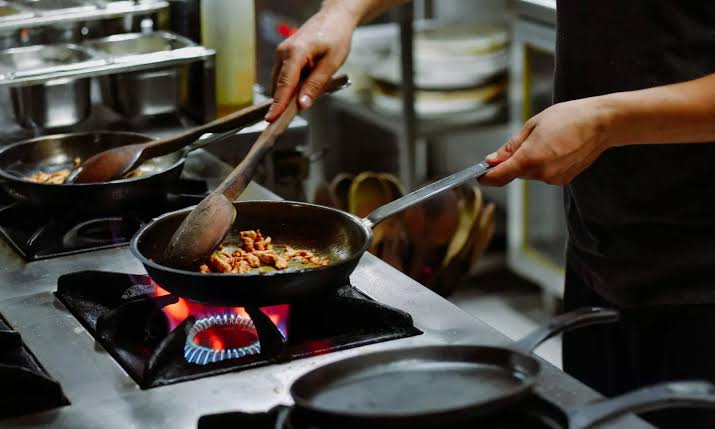
Imagine a restaurant with no dining tables, no ornate interiors, and no waitstaff bustling from table to table. Instead, there’s a quiet kitchen tucked away in a corner of the city, its team laser-focused on preparing meals destined for delivery. It’s not a scene from the future—it’s the present, and it’s called a cloud kitchen.
While the concept of cloud kitchens is thrilling in its simplicity, there’s a not-so-glamorous side that goes unnoticed: the paperwork. For these virtual kitchens to operate, one crucial ingredient is a cloud kitchen license. But let’s not get ahead of ourselves. This blog isn’t just about licenses—it’s about how cloud kitchens are reshaping the way we think about food and business, and how behind-the-scenes details like licenses quietly fuel this revolution.
The Cloud Kitchen Revolution
Cloud kitchens, also known as ghost kitchens or virtual kitchens, have taken the culinary world by storm. They exist solely to prepare food for delivery, eliminating the need for a traditional dine-in experience. With the rise of food delivery apps and changing consumer habits, cloud kitchens have become the backbone of a rapidly evolving industry.
But why are they so popular? Here’s the recipe for their success:
- Low Overhead Costs
Without the need for prime real estate or elaborate interiors, cloud kitchens significantly reduce expenses. - Efficiency
Focused solely on cooking and delivery, these kitchens streamline operations to maximize output. - Flexibility
A cloud kitchen can house multiple brands under one roof, catering to different cuisines and customer preferences.
From startups launching their first food brand to established restaurants expanding their reach, cloud kitchens offer a scalable, low-risk solution. But as with any business, there’s one hurdle every aspiring owner must cross: obtaining a cloud kitchen license.
What Lies Beneath the Surface
While customers enjoy the convenience of hot meals delivered to their doorsteps, few think about the intricate web of compliance that keeps the system running. Starting a cloud kitchen isn’t as simple as renting a space and firing up the stove. Behind every successful virtual kitchen is a series of licenses that ensure the business operates legally and safely.
The cloud kitchen license acts as the foundation of this operation. It covers everything from food safety to hygiene standards, ensuring that the meals prepared meet legal and health requirements. While it might seem like a tedious process, these licenses are what separate legitimate businesses from fly-by-night operations.
The Art of the License
Obtaining a cloud kitchen license isn’t just about ticking boxes—it’s about creating trust. These licenses reassure customers that the food they’re eating has been prepared in a clean, safe environment. They also protect businesses from legal complications and fines.
Here’s a glimpse at the licenses typically required for a cloud kitchen:
- FSSAI License
This ensures the kitchen meets food safety standards. - GST Registration
Essential for tax compliance and invoicing. - Health Trade License
Issued by local authorities, this ensures hygiene and safety in operations. - Fire Safety Certificate
A must-have for any establishment dealing with cooking equipment. - Shop and Establishment Act License
Regulates working hours, employee welfare, and other business operations.
These are just the basics. Depending on the location and scale of the business, additional permits may be required. Navigating this process can be daunting, but it’s a crucial step in transforming a food dream into reality.
Why the License Matters
To many entrepreneurs, the licensing process might feel like an obstacle course. But in reality, it’s an investment in the business’s future. Here’s why securing a cloud kitchen license is non-negotiable:
- Building Credibility
A licensed cloud kitchen signals professionalism and reliability, attracting both customers and investors. - Avoiding Legal Troubles
Operating without the necessary permits can lead to fines, closures, and damage to reputation. - Ensuring Quality
Licensing requirements often align with best practices, encouraging businesses to maintain high standards. - Expanding Opportunities
Many delivery platforms and aggregators require kitchens to provide proof of licensing before partnering with them.
Behind Every Dish: A Story of Compliance
It’s easy to look at a thriving cloud kitchen and see only the surface—delicious food, fast delivery, and satisfied customers. But behind every successful dish lies a meticulous process. From sourcing ingredients to preparing meals and obtaining the necessary licenses, every detail matters.
This hidden effort is what separates sustainable businesses from fleeting trends. Aspiring cloud kitchen owners should embrace the licensing process not as a hurdle, but as a foundation for long-term success.
The Bigger Picture: What Cloud Kitchens Mean for the Food Industry
Beyond the technicalities of licenses and paperwork, cloud kitchens represent a larger shift in how we think about food. They challenge the traditional model of dining out and redefine what it means to run a restaurant. Here are some ways they’re shaping the future:
- Democratizing Entrepreneurship
With lower startup costs and a focus on delivery, cloud kitchens open the doors for more people to enter the food business. - Encouraging Innovation
The flexibility of cloud kitchens allows entrepreneurs to experiment with new cuisines, concepts, and marketing strategies. - Adapting to Consumer Trends
As more people opt for convenience, cloud kitchens cater to the growing demand for fast, reliable food delivery. - Reducing Waste
By operating on a leaner model, cloud kitchens can minimize food and resource waste compared to traditional restaurants.
The Paperwork Behind the Passion
For many, the idea of running a cloud kitchen starts with passion—a love for food, a unique recipe, or a vision for something new. But passion alone isn’t enough. The path to success is paved with preparation, compliance, and yes, licensing.
Think of the cloud kitchen license as the unsung hero of this story. It doesn’t get the spotlight, but without it, the show can’t go on. Whether it’s ensuring food safety or securing partnerships, these licenses play a crucial role in turning culinary dreams into reality.
Cooking with Confidence
Starting a cloud kitchen is a leap of faith. It’s about stepping into a fast-paced, competitive industry armed with little more than a great idea and a willingness to work hard. But with the right tools—like a strong business plan, a focus on quality, and a cloud kitchen license—success is within reach.
As you embark on this journey, remember that every great venture starts with a solid foundation. Licenses might not be glamorous, but they’re the backbone of a thriving cloud kitchen. They ensure that the food you serve isn’t just delicious, but also safe, compliant, and worthy of your customers’ trust.
Final Thoughts: Building Trust One Dish at a Time
In a world where convenience often takes center stage, cloud kitchens offer something deeper: a way to connect through food, even from afar. Behind every meal delivered to your doorstep is a story of hard work, compliance, and care.
So, the next time you order from a cloud kitchen, take a moment to appreciate the layers of effort that go into each dish. From sourcing ingredients to securing a cloud kitchen license, every step reflects a commitment to excellence. And for those dreaming of starting their own cloud kitchen, remember this: success begins with the basics, and a license is the first step toward building something truly remarkable.
