

The world of filmmaking and high-end video production has undergone a massive transformation over the last decade. Capturing stunning visuals is no longer reserved for those with massive studio budgets. Instead, the focus has shifted toward tools that offer a blend of technical excellence and creative flexibility. For many professionals and aspiring directors, Canon has remained a primary choice because of its commitment to color science and reliable hardware. Whether you are filming a documentary, a commercial, or a feature film, the equipment you choose defines the boundary of what you can achieve on screen.
When you begin to look at professional production, the first step is often exploring the world of cinema cameras. These are not your standard handheld devices; they are precision instruments designed to record data-rich files that can be manipulated in post-production to create a specific mood or atmosphere. The Canon Cinema EOS range is a perfect example of how technology can be tailored to the needs of a cinematographer. These units provide high dynamic range, which means they can capture detail in both the brightest highlights and the deepest shadows of a scene. This is a critical feature when you are shooting in unpredictable outdoor lighting or in a controlled studio environment where contrast is high.
One of the standout features of the Cinema EOS line is the modular design. Cameras like the EOS C300 Mark III or the EOS C500 Mark II allow you to build a rig that fits your specific shoot. You can strip them down for use on a gimbal or a drone, or you can build them up with monitors, handles, and external recorders for a full studio setup. This adaptability is why Canon is so prevalent on professional sets. Furthermore, the inclusion of built-in ND filters allows shooters to maintain their desired shutter angle and aperture even in bright daylight, ensuring that the cinematic motion remains consistent without the need for bulky external filter trays.
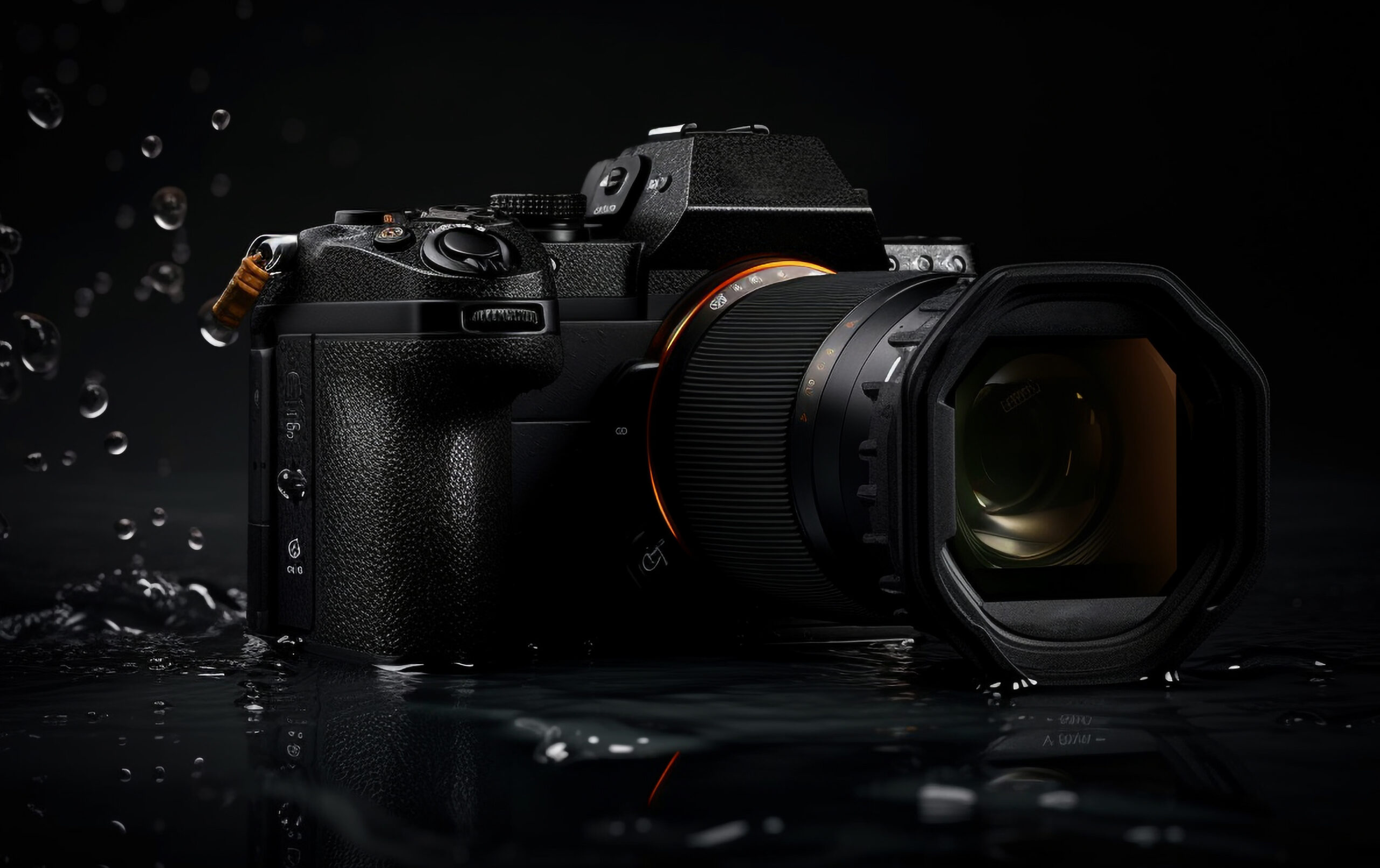
For many creators, the transition from photography to filmmaking happens through a hybrid approach. You might find that a traditional video camera or a high-end mirrorless body like the EOS R5 C serves as the perfect entry point. These devices offer the best of both worlds, providing the incredible autofocus capabilities Canon is known for while supporting internal recording formats that are easy to manage. The Dual Pixel CMOS AF system is particularly helpful for solo operators. It tracks subjects with incredible accuracy, allowing the person behind the lens to focus on composition and lighting rather than constantly worrying about whether the subject is in sharp focus.
The “”Canon Look”” is a term often used by colorists and editors to describe the natural skin tones and vibrant colors that come straight out of these sensors. This is a significant advantage for those who want to spend less time fixing colors in software and more time telling their story. When you use a Cinema EOS body, you often have access to Canon Log 2 and Log 3. These gamma curves are designed to preserve as much information as possible, giving you a flat image that acts as a blank canvas for the grading process. It allows for a level of creative expression that is difficult to match with standard video formats.
Lens selection is another vital component of the cinematography puzzle. The RF mount has opened up new possibilities for optical design, allowing for lenses that are sharper and faster than ever before. For those who prefer a more classic feel, the EF mount remains a staple in the industry, with a vast library of glass available to suit any focal length. Using an adapter, you can easily bring your favorite EF lenses to the newer mirrorless or cinema bodies, ensuring that your previous investments continue to provide value. The ability to swap between a fast prime lens for a shallow depth of field and a versatile zoom lens for run-and-gun shooting gives a filmmaker the tools needed to handle any scenario.
As you progress in your craft, you will notice that the physical ergonomics of the gear play a huge role in your productivity. Canon designs their equipment with the user in mind, placing buttons and dials in locations that feel intuitive. This means you can make adjustments on the fly without having to dive deep into digital menus. On a busy set, where time is literally money, being able to change your ISO, white balance, or frame rate in a split second is invaluable.
Ultimately, elevating your cinematography is about finding the right balance between your creative vision and the technical capabilities of your gear. By choosing tools that prioritize image quality, reliability, and ease of use, you free yourself to focus on the art of storytelling. Whether you are using a compact setup for vlogging or a heavy-duty cinema rig for a professional production, the goal remains the same: to capture images that resonate with your audience.
Canon continues to innovate in this space, ensuring that as the industry evolves, filmmakers have the technology they need to push the boundaries of what is possible on screen. Investing in the right system today creates a foundation for years of creative growth and professional success.
