

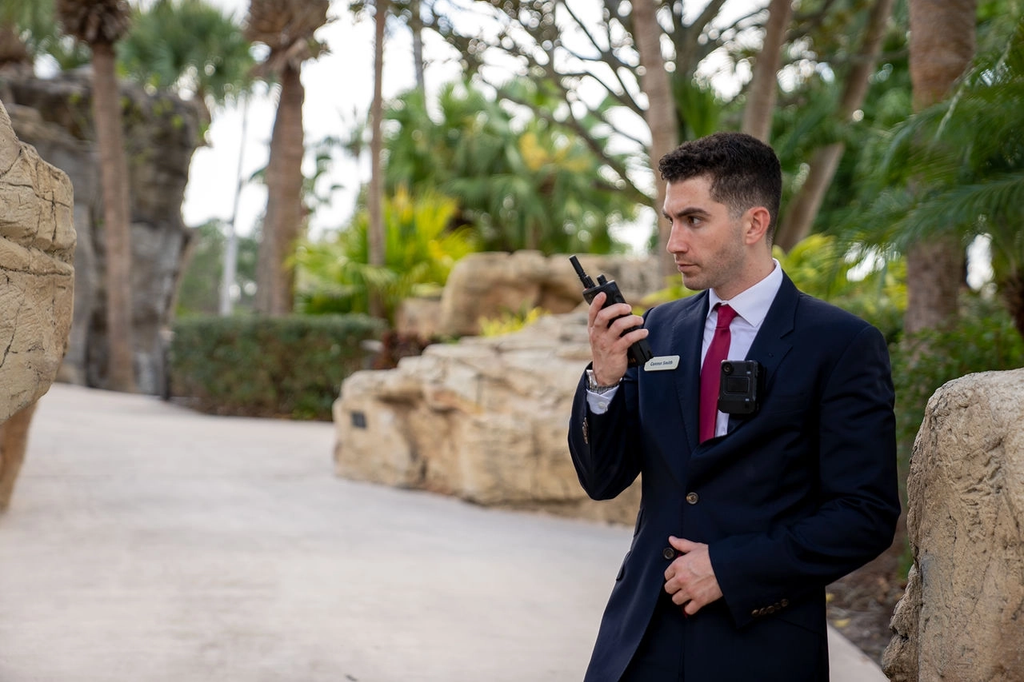
Organising a successful event involves much more than creating an impressive programme or booking the right venue. Behind every smooth conference, festival, exhibition, sporting event, and live production is a team communicating constantly to keep everything on schedule.
For event organisers, event radio hire can provide a practical way for staff, security teams, production crews, stewards, and venue personnel to stay connected throughout a busy day. Unlike relying entirely on mobile phones, two-way radios are designed for quick, direct communication when teams need to respond without delays.
Why Communication Matters at Events
Large events can involve dozens or even hundreds of people working across different areas.
Staff may need to coordinate entrances, guest services, security, technical equipment, catering, transport, and emergency responses. When information has to move quickly between teams, communication problems can quickly become operational problems.
A reliable radio system gives authorised staff a straightforward way to communicate without having to exchange phone numbers or wait for someone to answer a call.
Where Two-Way Radios Can Make a Difference
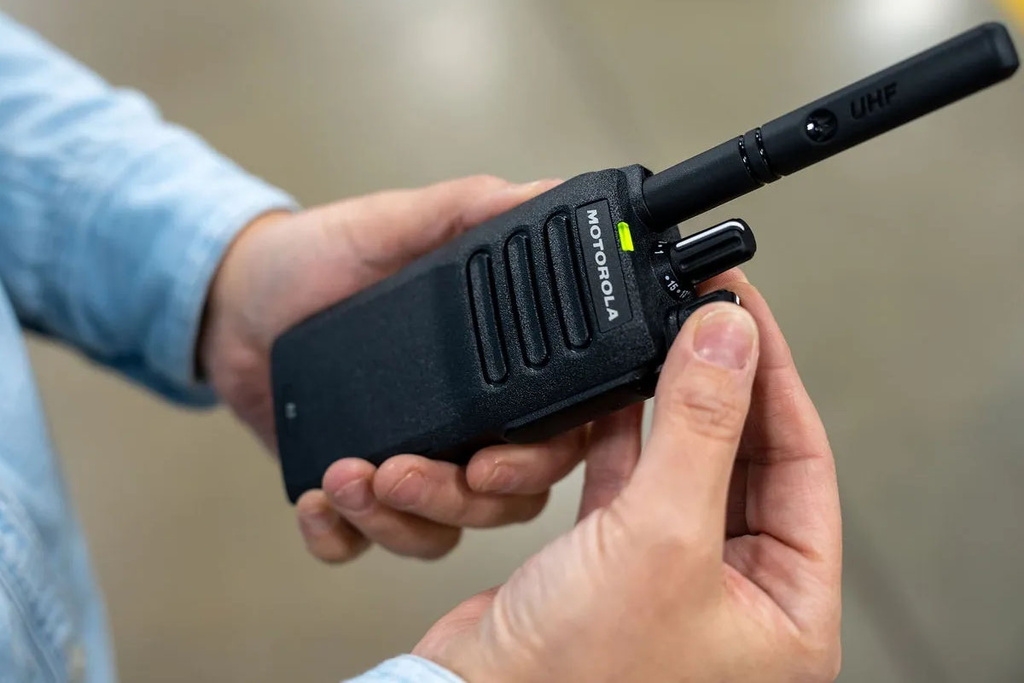
Two-way radios can be useful across many types of events.
Conferences and Corporate Events
Conference teams often need to coordinate registration desks, speakers, room changes, catering, and technical support.
A radio allows staff to communicate discreetly while remaining available to deal with attendees.
Festivals and Outdoor Events
Outdoor events can cover a large area, making communication particularly important.
Production teams, security staff, stewards, and site managers may be positioned far apart. Radios can help these teams maintain contact while dealing with changing conditions throughout the event.
Sporting Events
Sports events require coordination between organisers, officials, stewards, medical teams, and venue staff.
Fast communication can help teams respond to routine requests as well as unexpected situations.
Exhibitions and Trade Shows
Exhibition staff often need to deal with deliveries, exhibitors, technical issues, room access, and visitor requirements.
A radio system can provide a simple internal communication channel without interrupting staff members’ responsibilities.
Advantages Over Relying Only on Mobile Phones
Mobile phones are useful, but they aren’t always the most practical communication tool for event operations.
Two-way radios offer several advantages.
Instant communication is one of the biggest. Staff can usually communicate with a team member or group without waiting for calls to connect.
Radios can also be easier to manage when multiple teams need to communicate on separate channels.
In crowded environments, this can make operational communication more organised.
Choosing the Right Radio Setup
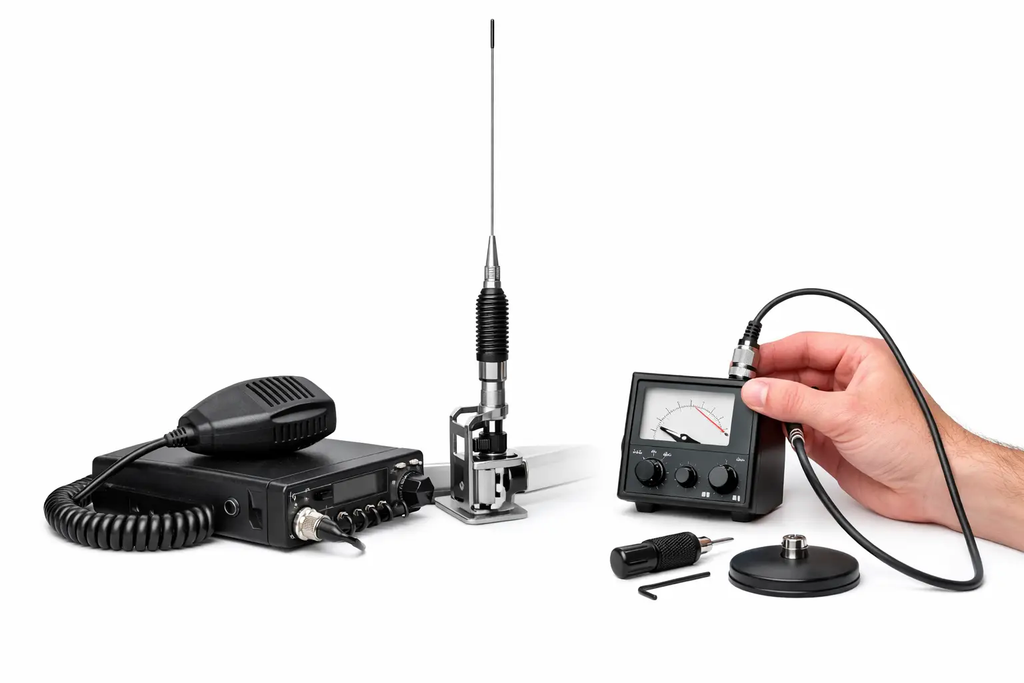
Not every event requires the same equipment.
Before arranging radio hire, organisers should consider several factors.
Number of Users
Start by estimating how many staff members actually need radios.
Not everyone working at an event necessarily requires one. Radios can be allocated to team leaders, supervisors, security personnel, technical crews, and other roles where rapid communication is important.
Event Size
The size and layout of the venue can influence equipment requirements.
An indoor conference may have different communication needs from a large outdoor festival spread across multiple areas.
Duration
Event organisers should consider whether radios are needed for a few hours, a full day, several days, or a longer project.
Planning this in advance can make the hire process more straightforward.
Accessories Can Improve Usability
The radio itself is only part of the communication setup.
Depending on the environment, accessories such as earpieces, speaker microphones, spare batteries, charging equipment, and carrying cases can make radios easier to use.
For events where staff need to remain discreet, an earpiece may be preferable to holding a radio directly.
In noisy environments, suitable audio accessories can also help staff hear communications more clearly.
Radio Etiquette for Event Teams
Good equipment doesn’t automatically create good communication.
Teams should establish basic radio procedures before the event begins.
Staff should know:
- Which channel their team uses
- Who is responsible for each channel
- How to identify themselves
- When urgent communication should be prioritised
- Which information should remain private
- How to report incidents clearly
Keeping messages short and specific is usually more effective than having long conversations over the radio.
Preparing Before the Event
A small amount of preparation can prevent communication problems later.
Before the event starts, organisers should test the radios and confirm that batteries are charged.
It is also useful to identify areas where communication could be difficult, particularly in large venues, underground spaces, heavily built-up locations, or outdoor sites with significant distances between teams.
A short briefing can ensure everyone understands how the equipment should be used.
Same-Day Requirements and Last-Minute Changes
Event planning rarely goes exactly according to schedule.
Staff numbers can change, event layouts can be adjusted, and additional communication requirements may appear shortly before the event.
This is why availability and delivery arrangements can be important considerations when selecting a radio hire service.
For organisers working to tight deadlines, knowing that equipment can be supplied quickly can provide additional peace of mind.
Supporting Safety and Incident Response
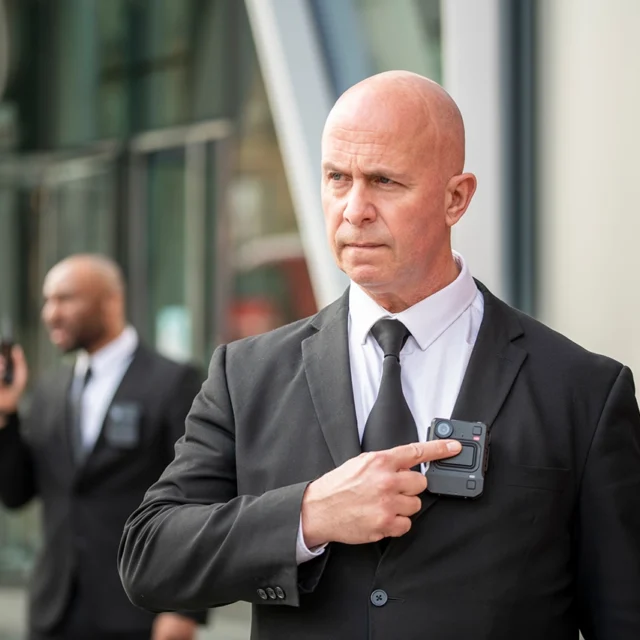
Communication is particularly important when dealing with unexpected situations.
A staff member may need to report a lost child, medical issue, equipment problem, security concern, or access issue.
Having a direct communication method can help the relevant team receive information quickly.
Of course, radios are not a replacement for formal emergency procedures. They should operate alongside established event safety plans, trained personnel, and appropriate emergency services.
Making Event Communication More Professional
Good communication is often invisible to attendees because it simply works in the background.
Guests may never notice how staff coordinate room changes, resolve technical issues, manage queues, or respond to unexpected situations.
That behind-the-scenes organisation can have a major impact on the overall event experience.
From my experience, the best communication setup is usually the one that feels simple to staff. When everyone knows which channel to use and understands basic radio etiquette, teams can focus more attention on their actual responsibilities.
Final Thoughts
Reliable communication is one of the foundations of effective event management.
Whether you’re organising a corporate conference, outdoor festival, exhibition, sporting event, or live production, two-way radios can provide a fast and practical way for teams to remain connected.
The key is to plan the system around the event rather than simply hiring equipment without considering the venue, team structure, duration, and communication requirements.
With the right preparation, radio communication can help event teams coordinate more efficiently, respond to issues quickly, and keep operations running smoothly from the first arrival to the final departure.
