

Creating and managing an online account may seem simple, but good account habits can make a major difference in security, convenience, and overall user experience. NAGAPETIR is one of the online platforms that users may access through an account-based system, nagapetir making registration, login, password protection, and account recovery important parts of the platform experience.
For new users, understanding how to create an account properly can help prevent common mistakes later. Returning users can also benefit from learning how to protect login information, recognize suspicious activity, and manage their profiles safely.
This guide explains the main stages of NAGAPETIR account use, including registration, login, password security, mobile access, account settings, recovery options, and general security tips.
Understanding the NAGAPETIR Account System
The account system is the personal access point between a user and the NAGAPETIR platform.
After registration, users may receive access to a personalized dashboard where they can manage profile information, settings, notifications, and other available services.
The account system also helps the platform distinguish one user from another and protect private information.
For this reason, login credentials should always be treated as confidential.
A username, password, or verification code should never be shared casually with another person.
Starting the Registration Process
The first step is usually locating the registration or sign-up section on the website.
New users should make sure they are using the correct and verified NAGAPETIR website before entering personal information.
After opening the registration page, users may be asked to provide details such as a username, password, email address, phone number, or other basic information.
The exact registration fields can vary.
Users should read each field carefully and avoid entering inaccurate information.
Correct details are especially important when they may later be used for account verification or recovery.
Choosing a Suitable Username
Some platforms allow users to create a unique username during registration.
A username should be memorable but should not reveal unnecessary personal information.
For example, using a full legal name combined with a date of birth may expose more information than necessary.
A more neutral username can provide a better balance between convenience and privacy.
Users should also check the spelling carefully before completing registration, because some platforms may not allow usernames to be changed easily later.
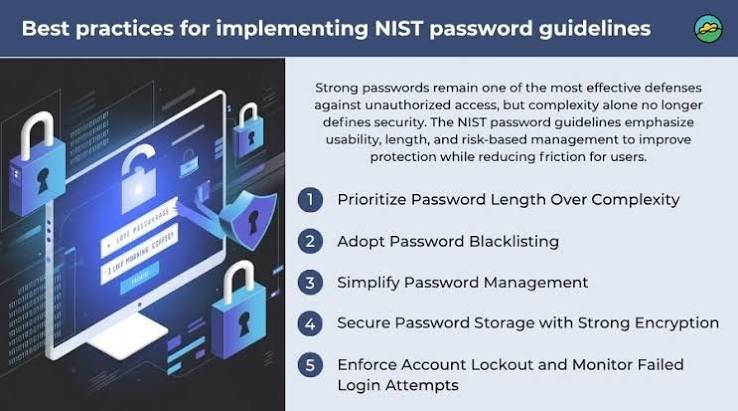
Creating a Strong Password
Password security is one of the most important parts of account protection.
A strong password should be difficult for another person to guess.
Users should avoid common passwords such as:
- 123456
- password
- qwerty
- Birth dates
- Phone numbers
- Simple names
A better password combines uppercase letters, lowercase letters, numbers, and symbols.
Longer passwords or passphrases can provide even stronger protection.
Users should also avoid using the same password they use for email, social media, banking, or other online services.
Why Unique Passwords Matter
Password reuse creates unnecessary risk.
If one online service experiences a security breach, attackers may try the exposed password on other websites.
For example, if the same password is used for NAGAPETIR and email, both accounts could potentially become vulnerable.
Using a different password for each important service limits the damage that can result from one compromised account.
A password manager can help users store multiple unique passwords securely.
Completing Account Verification
Some online platforms require account verification after registration.
Verification may involve a code sent through email, SMS, or another approved method.
The purpose of verification is to confirm that the user has access to the contact information provided.
Users should enter verification codes only on official pages.
One-time codes should never be shared with another person.
If someone contacts the user asking for a verification code, the request should be treated with caution.
Logging In to NAGAPETIR
After registration is complete, users can normally access their account through the login page.
The login process may require a username, email address, phone number, or another account identifier along with a password.
Users should enter the information carefully.
Small typing errors can cause failed login attempts.
Passwords may also be case-sensitive, so uppercase and lowercase letters must be entered correctly.
Before entering credentials, users should confirm that the web address is correct.
Avoiding Fake Login Pages
Phishing websites are designed to look similar to legitimate websites.
Their purpose may be to collect usernames, passwords, or personal information.
Users should be cautious with links sent through unknown messages, comments, emails, or social media posts.
Instead of clicking an unfamiliar login link, users can manually open the verified NAGAPETIR website.
Checking the website address before entering credentials is a simple but important security habit.
Users may also save the verified site as a browser bookmark for future access.
Using the Remember Me Option Carefully
Some login pages include a “Remember Me” option.
This feature can make repeat access faster because the browser may keep the user signed in.
However, it should only be used on private devices.
Users should not select this option on public computers, shared office devices, internet cafés, or smartphones used by multiple people.
On shared devices, logging out completely after each session is safer.
Reviewing the Account Dashboard
After a successful login, users may be taken to a personal dashboard.
The dashboard may include access to account settings, user information, notifications, support options, and other platform features.
New users should spend some time reviewing the available sections.
Understanding the dashboard can make future account management easier.
Users should know where to find important options such as password changes, contact details, security settings, and logout controls.
Keeping Profile Information Accurate
Account information should be reviewed periodically.
Users should confirm that important recovery details such as email addresses or phone numbers remain current.
If an old email account is no longer accessible, users may have trouble recovering their NAGAPETIR account later.
Updating contact information early is easier than trying to recover an account after losing access.
Any change to important account details should be completed through official account settings.
Changing Your Password
There are several situations when users should consider changing their password.
These include:
- Suspicious login activity
- An unexpected security alert
- A reused password becoming exposed elsewhere
- Accidental sharing of the password
- Access from an unknown device
When creating a new password, users should avoid making only a small change to the old one.
For example, changing “Secure123” to “Secure124” provides limited improvement.
A completely new and unique password is a better choice.
Two-Factor Authentication
If NAGAPETIR offers two-factor authentication, users should consider enabling it.
Two-factor authentication requires more than a password to access the account.
A second step may involve a verification code, authentication application, or another security method.
This provides an additional barrier against unauthorized access.
Even if a password becomes exposed, an attacker may still be unable to enter the account without the second factor.
Users should also keep backup recovery options secure.
Account Recovery
Forgetting a password is a common problem.
Users should use the official password-recovery option provided on the login page.
The recovery process may ask for a registered email address, phone number, or username.
A verification message or reset link may then be sent.
Users should only follow recovery instructions from official platform channels.
Third-party websites offering to recover passwords should be avoided.
No outside service should need a user’s password to restore access.
Protecting the Email Linked to NAGAPETIR
The email account connected to NAGAPETIR may play an important role in account recovery.
If someone gains access to the email account, they may be able to request password resets.
For this reason, users should protect their email with a strong password and two-factor authentication when available.
The email password should be different from the NAGAPETIR password.
This creates an additional layer of separation between the two accounts.
Mobile Account Access
Many users prefer accessing NAGAPETIR through smartphones.
Mobile login can be convenient, but security remains important.
Users should protect their phones with a screen lock such as a PIN, fingerprint, password, or facial recognition.
The browser and operating system should also be kept updated.
Users should avoid saving login credentials on phones shared with other people.
If the device is lost, changing important passwords quickly can reduce risk.
Public Wi-Fi and Account Security
Public Wi-Fi networks are common in cafés, hotels, airports, and shopping centers.
These networks may not always provide a secure environment for sensitive account activity.
Whenever possible, users should avoid changing passwords or entering sensitive information while connected to unknown public Wi-Fi.
Mobile data or a trusted private network can provide a safer option.
Users should also disable automatic Wi-Fi connections to unknown networks.
Recognizing Suspicious Account Activity
Users should pay attention to unexpected account changes.
Warning signs may include unfamiliar login alerts, changed profile information, unknown devices, or activities the user does not recognize.
If anything suspicious appears, users should take action quickly.
The first steps may include changing the password, securing the linked email account, and contacting official support.
Delaying action can give an unauthorized user more time to remain inside the account.
Avoiding Social Engineering
Not all account attacks depend on technical methods.
Social engineering attempts to convince users to reveal information voluntarily.
A scammer may pretend to be a support agent and ask for a password or verification code.
Users should remember that passwords should remain private.
Unexpected requests for one-time codes should also be treated as suspicious.
When in doubt, users should contact support through the official website rather than replying to an unknown person.
Logging Out Properly
Logging out is especially important on shared or public devices.
Closing the browser window may not always end the session.
Users should select the official logout button.
After logging out, they may also close the browser and clear saved login information if necessary.
This reduces the chance that another person can reopen the account session.
Using a Password Manager
A password manager can make account security easier.
Instead of remembering many complex passwords, users can store them inside an encrypted password manager.
This allows users to create longer and more unique passwords without relying on simple patterns.
A password manager should itself be protected with a strong master password.
Users should choose a reputable solution and keep it updated.
Checking Account Notifications
Security notifications can provide early warning of account problems.
Users should review messages related to login activity, profile changes, verification requests, or password updates.
An unexpected notification should not be ignored.
For example, if a user receives a password-reset email they did not request, it may indicate that someone is attempting to access the account.
In such situations, reviewing security settings is a sensible step.
Contacting Customer Support
Official customer support can help users with account problems.
Users may need assistance with login failures, verification issues, locked accounts, or account recovery.
When contacting support, users should provide useful details without revealing sensitive credentials.
They can describe the issue, mention the error message, and explain when the problem started.
Passwords and one-time verification codes should not be shared unnecessarily.
Common Login Problems
Several simple issues can prevent successful access.
A user may enter the wrong password, use an outdated username, experience a weak internet connection, or encounter a browser problem.
Users should first check their credentials.
If the problem continues, refreshing the page, restarting the browser, or clearing cache may help.
Trying another updated browser can also be useful.
If the account remains inaccessible, the official recovery process should be used.
Account Lockouts
Some platforms temporarily lock accounts after repeated incorrect login attempts.
This security measure helps prevent automated password guessing.
If an account becomes locked, users should stop repeatedly trying different passwords.
The better approach is to use password recovery or contact support.
Repeated failed attempts may extend the lock period on some systems.
Responsible Account Use
Account security also includes responsible use of platform services.
Users should understand the platform rules, age requirements, and any local regulations that may apply.
If NAGAPETIR includes gambling or paid entertainment services, users should set clear financial limits.
Money required for food, housing, bills, healthcare, education, or savings should not be risked.
Users should also understand that chance-based activities cannot provide guaranteed outcomes.
Responsible participation should always remain voluntary and controlled.
Regular Security Checks
Security is not something users should think about only during registration.
Good account management requires occasional review.
Users can check whether their contact information is still correct, update passwords when needed, review login notifications, and remove access from unfamiliar devices.
Keeping the browser, smartphone, and computer operating system updated also helps protect account access.
Small security habits can significantly reduce long-term risk.
Final Thoughts
Managing a NAGAPETIR account becomes easier when users understand the basics of registration, login, recovery, and security.
The process begins with accurate registration information and a strong, unique password. Secure login habits, careful website verification, two-factor authentication, and updated recovery information can provide additional protection.
Users should also remain alert for phishing links, fake support representatives, unusual login activity, and suspicious verification requests.
Mobile devices, browsers, email accounts, and internet connections all contribute to overall account security.
By combining careful registration with good login habits and regular security checks, users can manage their NAGAPETIR accounts more confidently while reducing the risk of unauthorized access.
