

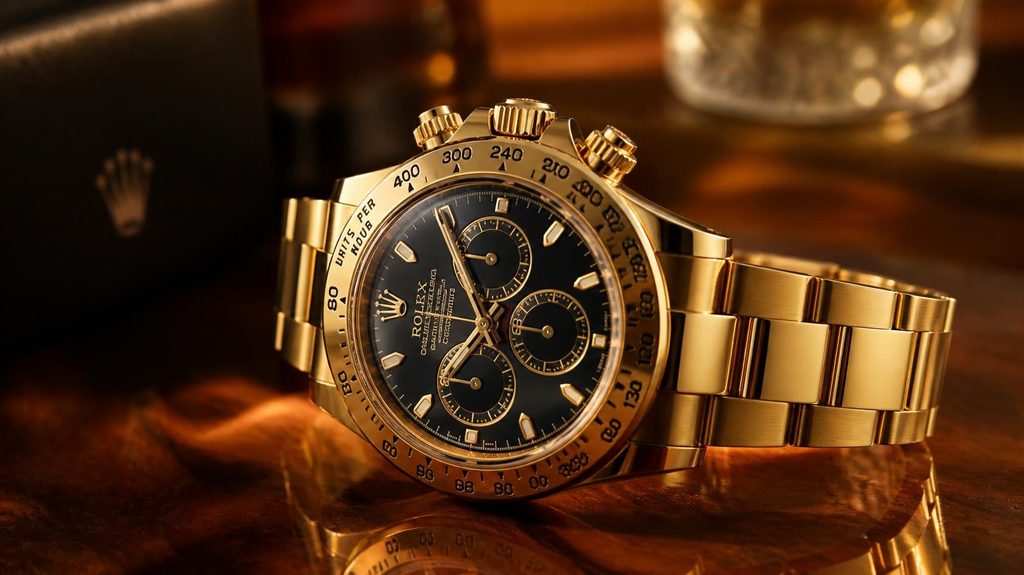
The world of luxury watches is built on a fascinating combination of engineering, design, tradition, and personal expression. While technology has transformed how people keep track of time, mechanical watches continue to attract collectors and enthusiasts around the world. Their appeal is not simply about telling time; it is about craftsmanship, heritage, and the experience of owning something designed to last.
Among the most recognizable names in this industry, Rolex has developed a reputation associated with precision, durability, and distinctive design. Its watches have appeared in professional environments, sporting events, expeditions, and countless everyday settings. More importantly, the brand has demonstrated how consistent design and engineering can create products that remain relevant across generations.
A Tradition of Precision
The history of modern wristwatchmaking is closely connected with the pursuit of accuracy. Early wristwatches faced challenges related to movement reliability, exposure to dust and moisture, and the practical demands of everyday use. Improving these areas required advances in both engineering and manufacturing.
Rolex became particularly influential through its focus on creating watches that were not only visually appealing but also capable of functioning reliably in challenging conditions. The development of the Oyster case was an important milestone in this history, helping establish a stronger connection between wristwatches and practical daily use.
This philosophy continues to influence how enthusiasts perceive the brand. Rather than relying entirely on decoration, its identity has traditionally emphasized functionality and engineering alongside aesthetics.
What Makes Mechanical Watches Special?
A mechanical watch is essentially a miniature machine. Its movement contains gears, springs, wheels, jewels, and other components working together to measure the passage of time.
Unlike a quartz watch, which uses an electronic oscillator powered by a battery, a mechanical movement stores energy in a mainspring. That energy is released gradually through a regulating system, allowing the hands to move at controlled intervals.
The complexity is part of the attraction.
Modern technology can provide remarkably accurate timekeeping through inexpensive devices, yet mechanical watches continue to interest people because they demonstrate miniature engineering. Every movement represents a combination of manufacturing precision, assembly, adjustment, and technical knowledge.
For many enthusiasts, wearing such a watch creates a connection with traditional craftsmanship that digital devices cannot reproduce.
The Power of Consistent Design
A successful watch design does not necessarily need to change dramatically every few years. In fact, longevity can become one of its greatest strengths.
Rolex has maintained recognizable visual characteristics across many generations of watches. Case shapes, bezels, bracelets, dial arrangements, and other design elements have evolved gradually rather than being completely replaced with every new release.
This creates continuity.
Someone looking at an older model may recognize the design language immediately, even when compared with a much newer version. That consistency contributes to the brand’s visual identity and helps explain why certain watches remain desirable for decades.
Timeless design can also be practical. A watch that avoids extreme fashion trends is more likely to complement different styles over a long period.
Engineering Behind the Exterior
Luxury watches can look deceptively simple. From a distance, a watch may appear to consist of little more than a case, dial, hands, and bracelet. Inside, however, the movement can contain hundreds of precisely manufactured components.
Each component has a purpose. Gears transfer energy, springs store and release it, and the regulating mechanism controls the rate at which that energy is released. Tiny tolerances can have a significant effect on performance.
The case provides another layer of engineering. It must protect the movement while allowing the dial and hands to remain visible. Depending on the model, the watch may also need to withstand exposure to water, dust, impacts, or changes in environmental conditions.
This combination of visible simplicity and hidden complexity is one reason mechanical watches remain fascinating.
Materials and Durability
Materials have a major influence on the performance and appearance of a timepiece. High-quality stainless steel is commonly valued for its strength and resistance to corrosion, while precious metals provide a different combination of appearance and weight.
The crystal is equally important. Sapphire crystal is widely used in premium watchmaking because it offers strong resistance to everyday scratching. Meanwhile, specialized ceramic materials may be incorporated into bezels or other components where hardness and durability are important.
These materials are only as useful as the manufacturing processes behind them. Precision machining, finishing, polishing, and assembly all contribute to the final result.
For a buyer, this means that the value of a luxury watch is not determined by its appearance alone. The quality of its construction is equally significant.
Watches Designed for Professionals
Some of the most recognizable watch designs have roots in professional activities. Divers needed reliable equipment underwater, pilots required dependable timing instruments, and explorers often operated in environments where durability was essential.
Professional applications helped shape the development of robust wristwatches. Features that may now appear familiar to collectors were originally created to solve practical problems.
That history remains part of the appeal today.
A modern owner may never take a watch into the ocean or on an expedition, but the design can still carry the character of those original applications. It gives the product a story that extends beyond its physical construction.
Buying a Luxury Watch Responsibly
Purchasing a high-end watch requires more research than simply selecting a recognizable brand. Buyers should understand the particular model they are considering, including its reference, specifications, movement, materials, and production characteristics.
The condition of a pre-owned watch is particularly important. Signs of excessive polishing, replacement components, movement problems, or poor previous servicing can influence both performance and long-term desirability.
Documentation can also provide useful information. Original papers, service records, purchase documentation, and a clear ownership history can help establish provenance.
When purchasing from the secondary market, working with a reputable dealer or having the watch independently examined can provide additional confidence.
Readers interested in learning more about the subject can also explore fake rolex for additional watch-related information.
Authenticity and Research
The popularity of luxury watches has created a substantial secondary market, but it has also increased the importance of authenticity checks. Buyers should avoid making decisions based solely on photographs, particularly when purchasing an expensive pre-owned timepiece.
Details such as dial printing, movement construction, case finishing, serial information, bracelet components, and overall manufacturing quality may all be relevant when assessing authenticity.
Because counterfeit products can become increasingly sophisticated, professional examination is often preferable to relying on a single visual detail.
A trustworthy transaction should also include transparent information about the watch and its history. Sellers who avoid reasonable questions about provenance or condition should be approached cautiously.
Maintaining a Mechanical Timepiece
Ownership does not end when a watch is purchased. Mechanical watches benefit from proper care and professional servicing.
The movement contains numerous moving parts that require appropriate lubrication and adjustment. Over time, oils can degrade and components can experience wear. A qualified watchmaker can inspect the movement, clean relevant components, replace worn parts when necessary, and regulate performance.
Water resistance also deserves attention. Even watches designed for underwater use rely on seals that can deteriorate with age. Regular testing is therefore important if the watch is frequently exposed to water.
Owners should also avoid unnecessary shocks and store their watches appropriately when they are not being worn.
The Emotional Side of Watch Ownership
Technical specifications explain only part of the attraction of luxury watches. There is also an emotional dimension.
A mechanical watch can become associated with important events such as a graduation, career milestone, anniversary, or personal achievement. Because a well-maintained timepiece can remain functional for decades, it may eventually become a family heirloom.
This gives watches a distinctive quality that many disposable consumer products lack.
A phone may be replaced every few years, but a mechanical watch can accompany its owner for much longer. Over time, scratches, servicing records, and memories can become part of its story.
Collecting With Purpose
Watch collecting can take many forms. Some people concentrate on a particular model family, while others focus on historical references, unusual materials, complications, or watches associated with specific periods.
There is no single correct approach.
A thoughtful collection is often built around personal interests rather than simply purchasing whatever happens to be popular. Understanding why a particular watch appeals to you can make the hobby more rewarding.
Research also helps prevent impulsive purchases. Studying historical models, movement development, design changes, and market trends allows collectors to make more informed decisions.
Why Timeless Watches Continue to Matter
The continued interest in traditional mechanical watches may seem surprising in a world where smartphones and smartwatches provide significantly more functionality. Yet that contrast is precisely what makes them interesting.
A mechanical watch is not competing directly with a smartphone. It offers a different experience.
It represents craftsmanship rather than computing power, mechanical movement rather than electronic functionality, and long-term ownership rather than rapid replacement.
Rolex has become one of the clearest examples of how these qualities can combine into a recognizable identity. Its history illustrates the importance of engineering, consistency, and design in creating products that remain relevant over generations.
Final Thoughts
Luxury watchmaking is ultimately about more than expensive materials or recognizable names. The most enduring timepieces combine thoughtful engineering, careful manufacturing, practical design, and a sense of history.
Rolex’s position within this world reflects decades of development and a commitment to maintaining recognizable principles while gradually refining technology and construction.
For anyone interested in mechanical watches, learning about movements, materials, maintenance, authenticity, and design history can make the experience considerably more rewarding. Whether purchasing a first luxury watch or developing a collection over time, informed decisions remain the foundation of enjoyable ownership.
A well-made mechanical watch can be appreciated for its appearance, understood through its engineering, and remembered for the experiences associated with it. That combination of craftsmanship and personal meaning is what allows traditional watchmaking to remain relevant in the modern world.
For further reading and information related to the subject, visit fake rolex.
