

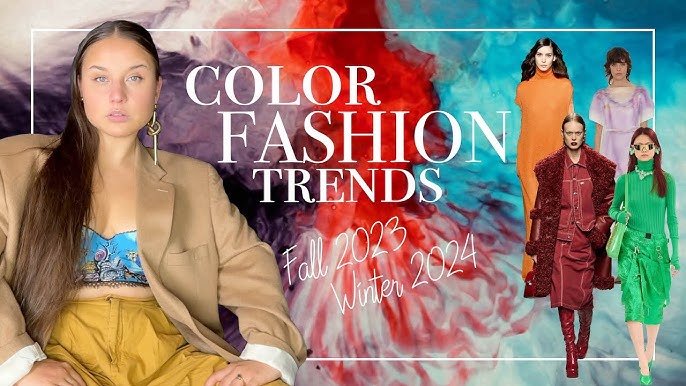
Fashion runways and Pantone color forecasts capture the imagination with fresh, bold hues every season. These trend colors often dominate the catwalks and fashion magazines, setting the tone for styles worldwide. Yet, when it comes to translating these vibrant runway shades into everyday wardrobes, many find themselves hesitant—after all, not every trendy color complements every individual.
Understanding how to align these seasonal trend colors with your personal color palette bridges the gap between high fashion and real-life wearability. This guide unpacks the blend of artistry and science behind trend colors, explains how individual color analysis filters and adapts them, and offers practical outfit inspirations along with thoughtful buying strategies. Let’s explore how to make the most of trend colors while celebrating your unique complexion.
The Art and Science Behind Trend Colors
Each year, several organizations—including the Pantone Color Institute—and major fashion weeks introduce a curated set of trend colors predicted to influence design worldwide. These colors don’t emerge by chance; they are shaped by complex factors such as cultural moods, technological advances, social sentiments, and even climate awareness.
Color psychology plays an important role: certain hues evoke emotions, moods, or creativity, influencing why some colors become “the color of the year” or seasonal favorites. However, though trend colors generate excitement, they are not universally flattering. For example, a vibrant neon or cool icy blue that dazzles on the runway may not harmonize with everyone’s skin undertone or eye color in real life.
This discrepancy often leads to frustration when people try to incorporate trend hues without a personal framework. Wearability hinges not just on popularity but on how a color resonates with your natural coloring.
How Personal Color Analysis Filters Trend Colors
Personal color analysis—such as the well-established 16-season color system—delivers a tailored map of shades that harmonize with your unique features, including skin tone, hair color, and eye shade. This palette breaks down colors into warm or cool categories and even finer distinctions, such as brightness and contrast.
AI-powered color analysis tools take this concept further by analyzing uploaded photos to generate highly accurate personal palettes. Leveraging this technology, you can approach runway trend colors with a scientific mindset: instead of chasing every trending hue blindly, you “filter” them against your palette to identify which fit your complexion and which to skip.
For instance, a “Deep Autumn” palette wearer might find that warm, muted reds from the runway align perfectly, but icy lavender or neon green don’t complement their natural tones. Conversely, a “Cool Winter” profile could shine in electric blues and crisp whites but find warm oranges clash.
By comparing the hue, saturation, and temperature properties of trending colors with your personal palette, you can make informed, confident choices that elevate your style without disregarding current trends.
Four Trend Color Outfit Inspirations for Everyday Life
To help visualize this approach, here are four examples featuring popular trend colors adapted for different real-world occasions, each with tailored suggestions on how to blend these hues based on your personal color palette.
Workday Elegance: Muted Sage Green
Sage green has gained popularity for its calming yet sophisticated vibe. If your palette favors softer, earthy tones (like “Soft Autumn” or “Light Spring”), this hue is a natural fit.
- Outfit idea: A tailored sage green blazer paired with a cream blouse and camel trousers creates a refined look without overwhelming your complexion.
- For cooler palettes, use sage as an accent in scarves or accessories rather than primary suiting.
Evening Glamour: Vivid Magenta
Magenta epitomizes bold, festive energy on the runway. Cool undertones such as “Clear Winter” or “Cool Summer” benefit most from this jewel tone.
- Outfit idea: A magenta evening dress paired with metallic silver accessories accents cool skin tones beautifully.
- Warmer palettes might choose magenta-inspired blush or lip color to nod to the trend without full coverage.
Weekend Casual: Warm Terracotta
This dusty, clay-like orange has surged in casual wear, offering warmth and versatility.
- Outfit idea: Terracotta knit sweater with dark denim and tan boots fits “Warm Autumn” and “Soft Autumn” palettes. For cooler palettes, incorporate terracotta via belts or bags.
- Mix with neutral bases aligned to your palette for harmonious layering.
Travel Ready: Icy Blue
Icy blues bring freshness and modernity but require careful matching.
- Outfit idea: Icy blue lightweight jacket over a neutral base outfit works well for “Cool Summer” and “Cool Winter” profiles.
- Warmer palettes can complement icy blue with contrasting warm accessories to soften the look.
Buying Trend Colors: Statement Pieces or Subtle Touches?
When deciding whether to invest in trend colors, especially those outside your typical palette, consider the role the piece will play in your wardrobe.
- Statement pieces like a dress or coat in your trend color are worth investing in only if the color suits your palette and fits your lifestyle. These pieces have a higher visual impact and are harder to mix if the color is discordant.
- Subtle touches such as scarves, handbags, jewelry, or shoes can cleverly introduce trend hues without overwhelming your natural coloring. They also add flexibility as trend colors evolve.
Seasonality matters, too. Since trends often fade within months, lean toward classic or multi-seasonal pieces when incorporating trend colors into larger garments, or use ephemeral colors for accessories and makeup.
AI color analysis platforms can assist you in testing compatibility between your personal palette and trend colors. Services offering “AI color analysis free online” help you evaluate whether your anticipated purchase harmonizes with your natural coloring, helping avoid costly mismatches.
Trend Colors and Personal Style: Looking Ahead
The fusion of trend runway colors with personal color palettes signals an evolution in fashion towards sustainability and personalization. Rather than fast, fleeting trends dictating what everyone wears, this approach empowers individual expression rooted in one’s unique coloring and style personality.
Looking forward, AI-driven tools will continue to advance, allowing even more precise and dynamic color recommendations as trends shift. This marriage of technology, color science, and fashion offers exciting possibilities—from virtual try-ons to real-time color matching in smart wardrobes.
Embracing trend colors through the lens of your personal palette not only refreshes your look but also supports responsible consumption, making fashion both enjoyable and mindful.
Conclusion: Discover Your Unique Color Rhythm
Trend colors bring vibrancy and excitement to fashion, but their true power unfolds when filtered through your personal color palette. By understanding the interplay between trending hues and your natural tones, you can craft a wardrobe that feels authentic and stylish—not just up-to-date.
Integrating AI color analysis into your style journey transforms color choices from guesswork into confidence. Whether it’s a bold magenta dress or a calming sage accessory, finding the right balance between runway inspiration and personal harmony unlocks your best, most expressive self.
Explore how trend colors can complement your unique coloring by trying a personal AI Color Analysis today—discovering your ideal palette is the first step to making runway hues truly work for you.
