

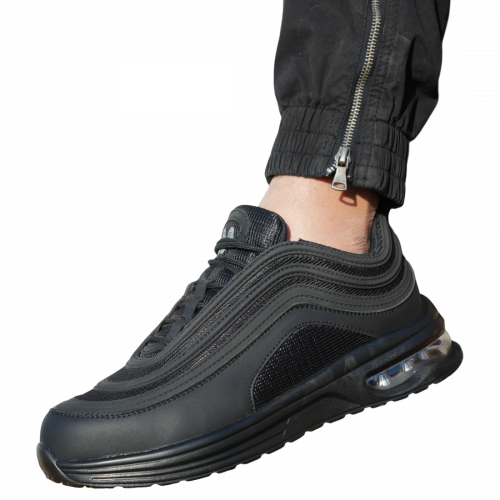
For decades, protective footwear lived in a rigid and unforgiving corner of the professional wardrobe. Traditional safety shoes were heavy, stiff, and designed purely for function. They stopped falling objects, resisted punctures, and offered grip on slippery surfaces, yet almost no one wanted to wear them beyond the worksite. Workers routinely kept a second pair of everyday shoes in their car or locker simply to feel normal again after the shift. That long-standing separation is now disappearing. A new category of safety sneakers has emerged, quietly transforming the way professionals protect their feet while moving through both work and daily life.
From Burden to Everyday Choice
The change began with shared frustration. Across warehouses, construction sites, workshops, logistics centers, and many service environments, people spent long hours on their feet. The footwear meant to protect them often added to fatigue, joint stress, and a sense of being over-equipped for modern tasks. At the same time, ordinary sneakers advanced rapidly. Lightweight materials, responsive cushioning, and clean athletic designs became standard in everyday life. Bringing those same principles into certified protective footwear was the logical next step.
Today’s safety sneakers retain the essential features required by European safety standards. Impact-resistant toe caps, puncture-resistant midsoles, and slip-resistant outsoles remain in place. What has changed is everything around those core elements. Materials are significantly lighter, often reducing overall weight by around fifteen percent compared with conventional safety boots. The difference becomes noticeable after only a few hours of continuous walking. Three-dimensional footbeds that follow the natural shape of the arch reduce pressure points and hotspots that once led to blisters by midday. Greater flexibility in the forefoot allows a more natural walking motion instead of the stiff, restricted stride older designs forced on the wearer.
Style That Travels Beyond the Workplace
The visual transformation is equally important. Low-cut and mid-cut models now resemble popular lifestyle sneakers far more than industrial boots. Clean lines, restrained color options, and discreet branding allow the shoes to move seamlessly from the loading dock to a supermarket stop or a casual evening outing. This dual-purpose quality removes the daily habit of changing shoes and reduces the number of pairs a worker needs to maintain. For many people, one well-chosen pair of basket de sécurité now covers both professional requirements and personal preference.
Comfort improvements compound over the course of a full shift. Lower weight reduces the energy cost of every step. Better cushioning and arch support lessen cumulative strain on knees, hips, and the lower back. Workers who once counted the hours until they could remove their boots now finish their day with noticeably less residual fatigue. The benefits are not only subjective. Reduced physical stress supports better concentration, higher productivity, and improved long-term musculoskeletal health, especially in roles that demand constant movement on hard surfaces.
A Wider Range of Options for Real Needs
The market has responded with genuine variety rather than a single generic design. Some models focus on maximum lightness for warehouse and logistics work where employees cover long distances. Others provide greater durability and higher ankle support for environments that still require extra stability. Women’s-specific lasts and sizing have expanded, correcting a long-standing gap in protective footwear that previously treated female workers as an afterthought. Color choices have moved beyond the traditional black or brown, offering contemporary looks without compromising the seriousness of the safety function.
Adoption continues to grow through both individual preference and changing workplace expectations. Younger workers, raised on comfortable athletic footwear, are less willing to accept discomfort as the unavoidable price of compliance. Employers increasingly understand that protective equipment people actually want to wear is far more likely to be used correctly and consistently. When the shoe feels like a personal choice rather than an imposed requirement, overall safety culture improves in a quiet but meaningful way.
Understanding the Limits
No category is perfect. Traditional heavy boots still hold clear advantages in extreme conditions—prolonged risk of heavy falling objects, intense heat, or situations that demand maximum ankle immobilization. Safety sneakers are not intended as a universal replacement. They perform best in the large and expanding middle ground of industrial and service roles where mobility, all-day comfort, and a presentable appearance matter as much as basic impact and puncture protection. Selecting the right model still requires careful attention to the specific hazards of the job, the required protection rating, and individual fit.
A Mature and Practical Category
What is most striking is how quickly the category has matured. Early attempts sometimes sacrificed durability or fit in the pursuit of style. Current designs show greater refinement in construction, materials, and lasting. Consistent feedback from wearers highlights the combination of unexpected lightness and reliable protection. The shoes withstand the demands of a full workday and remain comfortable enough to wear afterward—an outcome that would have seemed unrealistic only a decade or two ago.
This evolution reflects a broader shift in how protective equipment is designed. Safety no longer needs to announce itself through bulk and severity. It can be engineered into products that respect both the body and everyday appearance. The best safety sneakers do not force a choice between looking professional and feeling properly protected. They deliver both at once. For anyone who has spent years accepting heavy footwear as an inevitable cost of the job, the difference is more than incremental. It is the difference between equipment that is merely tolerated and equipment that is genuinely preferred.
Looking ahead, further advances in materials, cushioning systems, and design range are likely. The central insight, however, is already clear. Protective footwear does not have to feel like a burden. When thoughtful design, solid engineering, and real-world use come together, the shoe that keeps you safe can also keep you moving freely both on the job and beyond it. That quiet but practical revolution is already under way, one lighter and more comfortable step at a time.
