


Healthcare organisations rely heavily on digital systems to store and process sensitive information. From patient records and diagnostic data to internal communications and administrative files, technology plays a central role in delivering healthcare services. As devices reach the end of their useful life, managing them correctly becomes an important part of maintaining data security.
Computers, servers, hard drives, mobile devices and other electronic equipment can contain confidential information even after they are removed from active use. Simply deleting files or performing a factory reset may not completely remove data, leaving information potentially recoverable. For healthcare providers, where protecting patient confidentiality is essential, secure technology disposal processes are a key consideration.
The Risks of Improper Technology Disposal
Healthcare businesses handle some of the most sensitive types of information, making them a target for data breaches. When outdated equipment is discarded without appropriate security measures, stored information can remain accessible to unauthorised individuals.
A common misconception is that removing files from a device permanently erases them. In reality, many standard deletion methods only remove the reference to the data rather than the data itself. Specialist software can sometimes recover information from storage devices that appear to have been cleared.
Improper disposal can create several risks, including exposure of patient information, financial details, employee records and operational data. Beyond security concerns, organisations may also face compliance issues if they cannot demonstrate that confidential information has been handled responsibly throughout the equipment lifecycle.
Managing the Lifecycle of Healthcare IT Equipment
A structured approach to IT asset management helps healthcare organisations maintain control over their technology from purchase through to disposal. This involves tracking devices, monitoring their condition, determining when they should be replaced and ensuring they are processed securely when no longer required.
Effective asset management can reduce unnecessary waste while helping organisations understand what equipment they own and where it is located. When devices are retired, businesses can assess whether they can be reused, refurbished or recycled, depending on their condition and security requirements.
Before equipment leaves an organisation, data stored on internal components needs to be addressed. This is particularly important for storage devices such as hard drives and solid-state drives, where information may remain present even after normal deletion methods have been used.
The Role of Certified Data Destruction
Secure removal of information requires processes that provide confidence that data cannot be accessed again. Certified data destruction involves using recognised methods and documented procedures to permanently remove information from storage devices.
This process can include physical destruction of storage media or secure data wiping techniques that meet recognised industry standards. Documentation is also an important part of the process, providing evidence that data has been handled correctly and that devices have gone through appropriate security checks.
For healthcare organisations, maintaining records of data destruction activities can support internal audits and demonstrate that information security procedures are being followed. This provides greater visibility over how retired technology is managed and reduces uncertainty around the handling of sensitive information.
Environmental Considerations for Retired Healthcare Equipment
Alongside data security, responsible disposal of electronic equipment also involves environmental considerations. Healthcare organisations regularly replace technology due to changing requirements, upgrades or equipment failures, which can result in significant amounts of electronic waste.
Recycling and refurbishment programmes help reduce the environmental impact of outdated devices by allowing materials and components to be recovered where possible. Equipment that remains functional may also have a second life through reuse, while damaged items can be processed to recover valuable materials.
Combining secure data handling with responsible recycling creates a more sustainable approach to managing technology assets. Organisations can protect information while also reducing unnecessary waste from electronic equipment.
Creating a Secure Disposal Process
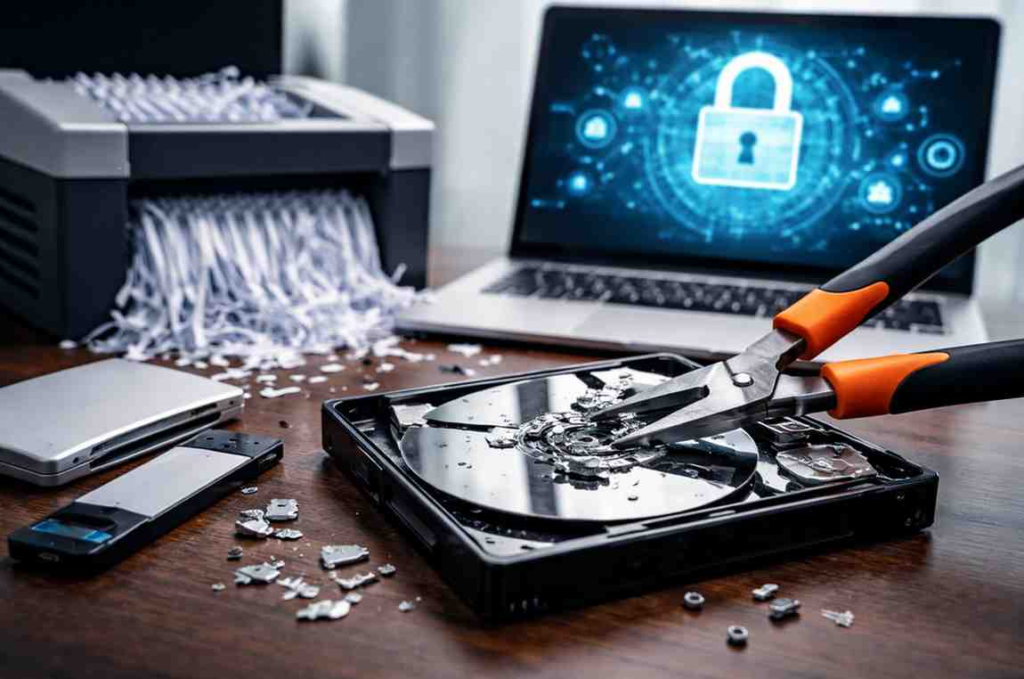
A reliable technology disposal process should form part of an organisation’s wider information security strategy. This includes identifying devices that require disposal, ensuring data is securely removed and keeping accurate records of completed activities.
Staff awareness is also important, as employees may handle devices containing sensitive information during upgrades or replacements. Clear procedures help ensure that equipment is not misplaced, stored unnecessarily or discarded through unsuitable channels.
Healthcare organisations can benefit from reviewing their technology disposal policies regularly to ensure they reflect current security expectations and operational requirements. As technology continues to evolve, maintaining effective processes for retiring equipment remains an important part of protecting sensitive information.
The Future of Secure Technology Management
As healthcare becomes increasingly dependent on digital systems, the importance of secure technology management will continue to grow. Organisations must consider not only how they use technology but also how they manage devices when they are no longer needed.
A combination of careful asset tracking, secure data handling and responsible recycling provides a comprehensive approach to managing retired equipment. By treating technology disposal as an important part of the information security lifecycle, healthcare providers can reduce risks and maintain stronger control over sensitive data.
