

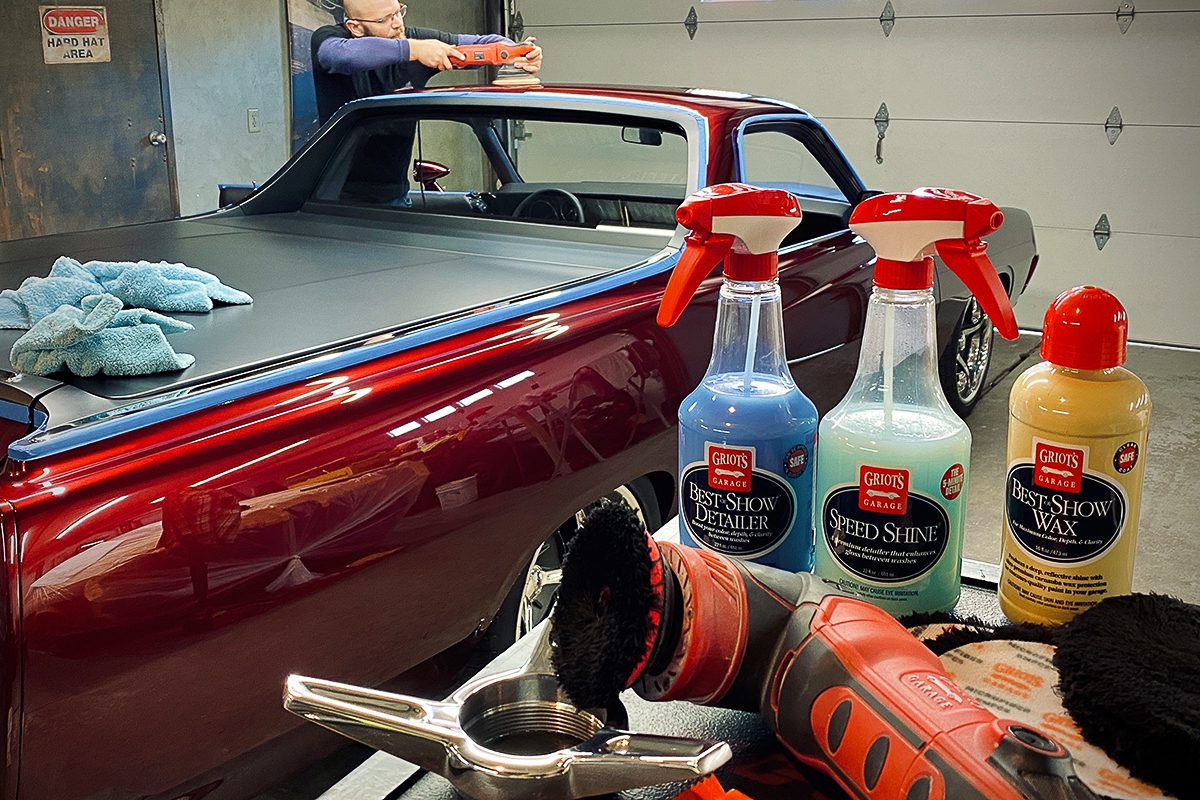
Maintaining a vehicle’s aesthetic and structural integrity is a task that goes far beyond a simple bucket of soapy water. In the modern automotive world, where paint systems are increasingly complex and environmental contaminants are more aggressive, the role of specialized chemistry has become paramount. For car enthusiasts, professional detailers, and fleet managers alike, understanding the specific functions of various car cleaning chemicals is the first step toward achieving a showroom finish that lasts. These products are not merely detergents; they are carefully engineered solutions designed to target specific types of debris while preserving the delicate balance of a vehicle’s protective coatings.
The Chemistry of Pre-Washing and Surface Decontamination
The most critical phase of any detailing process is the removal of loose grit and grime before a wash mitt ever touches the paintwork. This is achieved through the use of pre-wash agents and snow foams. These chemicals are designed to dwell on the surface, emulsifying road film and lifting abrasive particles away from the clear coat. By using surfactants with high foaming properties, these products increase the contact time between the chemical and the dirt, allowing for a safer “touchless” initial clean. This step is essential for preventing the swirl marks and light scratches that often plague vehicles maintained with improper techniques.
Beyond the visible dirt, vehicles are often subjected to bonded contaminants like industrial fallout, iron particles from brake dust, and tree sap. Standard soaps are ineffective against these bondings. Specialized iron removers, which often feature a color-changing chemical reaction, work by dissolving iron particles into a water-soluble state. Similarly, tar and glue removers utilize solvent-based chemistry to break down organic resins without damaging the underlying paint. Understanding these targeted reactions is what separates a basic wash from a professional-grade decontamination process.
Interior Maintenance: Balancing Cleaning Power with Material Safety
The interior of a modern vehicle is a diverse landscape of materials, including leather, Alcantara, plastics, vinyl, and high-tech glass. Each of these surfaces requires a different chemical approach to ensure effective cleaning without causing long-term damage like fading, cracking, or “greasy” residue. For instance, leather cleaners must be pH-balanced to avoid stripping the natural oils and protective topcoats from the hide, while plastic restorers often include UV inhibitors to prevent the sun from causing brittleness.
Upholstery and carpet cleaners often utilize enzymatic actions or oxygen-based bleaching agents to lift deep-seated stains and odors. Unlike household cleaners, which may be too alkaline for automotive fabrics, specialized interior chemicals are designed to dry without leaving behind a “sticky” film that would otherwise attract more dirt. Maintaining the cabin’s environment is not just about aesthetics; it is about preserving the tactile quality of the materials and ensuring a healthy atmosphere for the driver and passengers.
Advanced Wheel and Tire Care
Wheels are arguably the most abused part of any vehicle, constantly bombarded by high-temperature metallic shavings from the brake system and corrosive road salts. To combat this, wheel cleaners are formulated with powerful chelating agents. While many off-the-shelf products are highly acidic, professional-grade wheel chemicals are often pH-neutral or alkaline to ensure they are safe for a wide variety of finishes, including powder-coated, diamond-cut, or polished wheels.
Tire care is equally technical. A high-quality tire cleaner must remove “blooming”—the brown oxidation that occurs as anti-ozonants in the rubber move to the surface—to provide a clean foundation for dressings. The dressings themselves have evolved from simple silicone oils to sophisticated water-based polymers that offer a dry-to-the-touch finish. These modern chemicals provide a barrier against UV rays, preventing the sidewalls from cracking while maintaining a deep, natural black appearance that complements the rest of the vehicle.
The Evolution of Paint Protection: Sealants and Coatings
Once the vehicle is clean and decontaminated, the focus shifts to preservation. The world of paint protection has moved far beyond traditional carnauba waxes. While wax offers a warm, organic glow, modern synthetic sealants and ceramic-infused sprays offer superior longevity and chemical resistance. These products utilize cross-linking polymers to create a sacrificial layer over the clear coat, providing hydrophobic properties that cause water to bead and roll off, taking dirt with it.
The rise of “Si02” (Silicon Dioxide) technology has revolutionized the maintenance routine. Even at the consumer level, spray-on ceramic sealants can provide months of protection and a level of gloss that was previously only achievable with professional ceramic coatings. These chemicals act as a shield against bird droppings, acid rain, and UV degradation, ensuring that the hard work put into the cleaning process is preserved for as long as possible.
Glass Clarity and Visibility Enhancement
Clear visibility is the most significant safety factor in vehicle maintenance. Automotive glass cleaners are formulated differently than household window cleaners; they are typically free of ammonia, which can damage window tints and dry out rubber seals. A high-quality glass chemical must evaporate quickly and leave behind zero streaks, even in direct sunlight.
Furthermore, rain-repellent coatings have become a staple in the detailer’s kit. These chemicals use silane-based technology to fill the microscopic pores of the glass, creating a surface so smooth that raindrops are forced to bead up and blow off the windshield at speeds as low as 30 mph. This not only improves visibility during storms but also makes it significantly easier to remove ice, bugs, and frost, reducing the mechanical wear on the wiper blades and the glass itself.
Environmental Responsibility and Chemical Safety
As the automotive industry moves toward a more sustainable future, the chemicals used to clean them are also evolving. Many leading manufacturers are shifting toward biodegradable surfactants and reducing the use of phosphates and harsh solvents. This is not only better for the environment but also safer for the user. Professional-grade products now often feature lower VOC (Volatile Organic Compound) levels, making them safer for use in enclosed detailing studios or home garages.
For the end-user, understanding dilution ratios is a key part of chemical safety and cost-effectiveness. Many professional products are sold in concentrated forms, requiring the user to mix them with water according to the task at hand. This “concentrate” model reduces plastic waste and shipping emissions while allowing the detailer to adjust the strength of the chemical—using a weaker solution for a well-maintained car and a stronger one for a heavily soiled work vehicle.
Conclusion: The Synergy of Knowledge and Product
In conclusion, the art of car maintenance is deeply intertwined with the science of chemistry. By selecting the right tools for the job, property owners and enthusiasts can ensure their vehicles remain in peak condition, retaining their value and providing a superior driving experience. A vehicle is a significant investment, and the use of specialized, high-quality chemicals is the most effective way to protect that investment against the rigors of the road.
Whether you are performing a simple weekly maintenance wash or embarking on a multi-stage paint correction, the chemical components you choose will dictate your success. As technology continues to advance, we can expect even more efficient, safer, and longer-lasting solutions to emerge. By staying informed and prioritizing quality, you ensure that every wash is a step toward a brighter, cleaner, and more resilient automotive future. The journey of a thousand miles begins with a single clean—and with the right chemistry in your cabinet, that clean will lead to a lifetime of automotive excellence.
