

From Separate Teams to Working The Birth of DevOps
There was a time when making software felt like a game of catch. Developers wrote code. Then threw it to the operations team hoping it would work. Most of the time it did not. Releasing software was slow. Putting it out was stressful.. People would often say “It works on my computer” when something went wrong.This problem led to the creation of DevOps.
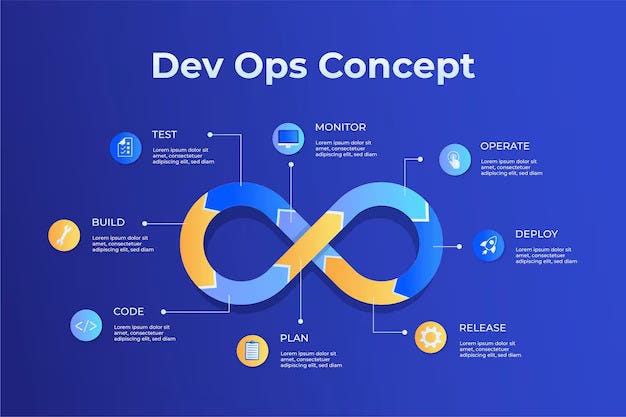
In the 2000s companies saw that keeping development and operations teams separate was wasting time, money and making customers unhappy. Companies wanted to release software. Users wanted software.. Engineers wanted to avoid working late at night to fix problems. DevOps was a way of thinking and working that brought developers and operations teams together, made sure they had the same goals and automated as much as possible.
It was not about using tools. It was about changing the way people thought.
The real change happened when companies stopped asking “Who made this mistake?”. Started asking “How can we fix this together?” This small change made a difference. Teams started working instead of blaming each other. Automation replaced work. Continuously. Testing software became normal.Suddenly software was no longer something that happened once a year. It was something that happened all the time.
The Tool Revolution: Automation, Cloud and Growth
If changing the way people thought was the foundation, tools were the key to making it happen.
As DevOps became more popular automation became essential. Tools like Git helped teams work on code together. Jenkins automated building and releasing software. Docker made it easy to move software around. Kubernetes made it easy to scale software. Terraform turned computer systems into code. Tools like Prometheus and Grafana helped teams see what was happening in systems.
The rise of cloud computing made this change happen faster. With platforms like Amazon Web Services and Azure teams could create computer systems in minutes or weeks. New companies could start small. Grow fast. Big companies could grow globally without needing space. DevOps was no longer a good idea, it was necessary.In India this change was more noticeable. New companies grew fast. Software companies competed globally. IT companies started using cloud computing.. Devops became the backbone of digital growth.It was no longer enough to know one tool. Engineers needed to understand how teams worked together, how to automate tasks, how to use containers, how to turn computer systems into code, how to monitor systems and how to use cloud computing. The field of DevOps grew. Expectations grew.. The need for structured learning grew too.
That is where choosing the best devOps training became important.Because DevOps is not about memorizing commands. It is about understanding how code goes from a developer’s computer to a website. Safely, repeatedly and reliably.The growth of DevOps tools has made the software world faster than ever.. It has also made it more important to have clear guidance. Without guidance learners can feel overwhelmed. Many tools. Many buzzwords. Many tutorials.
DevOps Today: Culture, Artificial Intelligence and the Future of Software
Fast forward to today. Devops is no longer just about automation. It is about using intelligence.
Modern DevOps uses cloud computing, breaks software into parts, turns computer systems into code and uses artificial intelligence to automate tasks. Artificial intelligence tools help with setting up automation pipelines. Monitoring systems predict when things might go wrong. Security practices are built into the process of making and testing software. DevSecOps is now standard.DevOps has also created roles like Site Reliability Engineering and Platform Engineering. Engineers are expected to think about more than releasing software. They are responsible for making sure software is reliable, works well, can grow and is good for users.
New engineers entering the software world now see DevOps as a career path not just a side skill. Experienced engineers are learning skills to stay relevant. Companies are looking for engineers who understand automation, cloud computing and teamwork.This is where having a good mentor is important. Platforms like Paperlive Learning have seen that DevOps education needs to grow with the industry. It is not enough to teach tools in isolation. Learners need real-world examples, hands-on projects and experience with cloud computing that’s similar to real-world systems.Because DevOps today is practical. It is strategic. It is critical to business.
We are now entering an era where using cloud computing platforms, artificial intelligence and predictive monitoring are changing how software is made. DevOps engineers are no just implementing tools, they are designing the speed of digital growth.For anyone, to this field. Whether you are a new engineer, a developer or a system administrator. Understanding this growth gives you context. It shows you why DevOps matters. It shows you where it is headed.
