

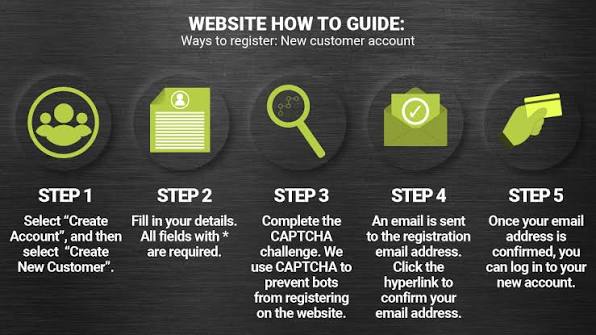
Creating and managing an online account should be simple, but users still need to pay attention to registration details, login security, password protection, and account recovery options. For anyone using TRIDEWA, understanding these basic account processes can make the overall experience easier and help reduce common security risks.
This guide explains the main steps involved in creating a tridewa account, signing in, managing account information, protecting login credentials, handling forgotten passwords, and recognizing suspicious activity.
Understanding the TRIDEWA Account System
A TRIDEWA account acts as a personal access point to the platform.
Registered users may be able to use account-based features, manage profile information, review activity, receive notifications, and access available services through a central dashboard.
The exact account layout can change over time, so users should follow the instructions shown on the current platform.
Before registering, it is useful to understand how the account system works and what information may be required.
Starting the Registration Process
New users generally begin by finding the registration or sign-up option on the platform.
This may appear as a button labeled “Register,” “Sign Up,” “Create Account,” or something similar.
After opening the registration page, users may be asked to provide basic information.
This can include a username, phone number, email address, password, or other account details.
Users should enter information carefully.
Incorrect contact details may cause problems later if account recovery or verification is required.
Choosing a Username
Some platforms allow users to create a unique username.
A username should be easy for the account owner to remember but should not reveal unnecessary personal information.
Using a full legal name, date of birth, or phone number as a username may expose information that does not need to be public.
A simple but unique username is often a better option.
Users should also check spelling before completing registration because usernames may be difficult or impossible to change later.
Creating a Strong Password
Password security is one of the most important parts of account protection.
Users should avoid predictable passwords such as:
123456
password123
qwerty
their own name
birth dates
phone numbers
A stronger password should contain a combination of uppercase letters, lowercase letters, numbers, and symbols.
Longer passwords are usually more difficult to guess.
Users should also avoid using the same password across multiple websites.
If one website experiences a security problem, reused passwords can place other accounts at risk.
Confirming Registration Information
Before submitting the registration form, users should review all information carefully.
Check the email address, phone number, username, and any other required details.
A small typo can make future verification difficult.
If the platform sends a confirmation message or verification code, users should complete that step using the instructions provided.
Verification codes should remain private.
They should never be shared with strangers, even if someone claims to be a support representative.
Logging Into TRIDEWA
Once registration is complete, users can access the account through the login page.
The login form may ask for a username, email address, phone number, or another registered identifier together with a password.
Users should enter these details carefully.
Passwords are often case-sensitive.
For example, “SecureAccount9” and “secureaccount9” would typically be treated as different passwords.
If login fails, users should check for spelling mistakes before trying again.
Checking the Website Before Login
Users should always verify that they are visiting the correct TRIDEWA website before entering account credentials.
Fake websites sometimes imitate legitimate platforms.
These pages may copy logos, colors, and login forms in an attempt to collect personal information.
Users should examine the domain name carefully.
Small changes in spelling can be a warning sign.
It can also be safer to use a saved bookmark rather than repeatedly searching for the website.
Understanding the Account Dashboard
After a successful login, users generally reach a personal dashboard.
This area may contain profile settings, account information, activity history, security options, notifications, and support features.
New users should explore the dashboard and learn where important controls are located.
Knowing where to update passwords, contact information, and security settings can make account management easier.
Users should also look for a logout button so they can properly end sessions when needed.
Updating Profile Information
Accurate account information is important.
Users should keep registered email addresses and phone numbers current whenever the platform allows changes.
Outdated contact information can create problems during account recovery.
For example, a password reset code sent to an old phone number may be inaccessible.
Users should periodically review their profile and update outdated information.
Password Management Tips
Managing several online passwords can become difficult.
Using a reputable password manager can make this easier.
A password manager stores passwords securely and can generate strong combinations automatically.
Users only need to remember the master password used to access the password manager.
This master password should also be strong and unique.
Users should avoid storing passwords in plain text files, unprotected notes, or public cloud documents.
Forgotten Passwords
Forgetting a password is common.
If TRIDEWA provides a password reset option, users should access it from the official login page.
The recovery process may request a registered username, email address, or phone number.
A verification message or reset link may then be sent to the registered contact method.
Users should create a completely new password rather than making a small change to the old one.
This provides better protection if the previous password was compromised.
Protecting Your Registered Email
The email account connected to TRIDEWA can play an important role in account recovery.
If someone gains access to that email account, they may attempt to reset passwords for linked services.
For this reason, users should protect their email account with a strong password as well.
Additional authentication should be enabled where available.
The security of the registered email account is often just as important as the security of the TRIDEWA account itself.
Using Additional Verification
Some platforms offer extra verification features.
These can include one-time codes, device confirmation, or secondary authentication.
If TRIDEWA provides such features, users should consider using them.
Additional verification makes it harder for another person to access the account using only a stolen password.
Users should keep backup recovery options secure and update registered contact information whenever necessary.
Avoiding Suspicious Links
Phishing attacks often begin with a message containing a fake login link.
Users may receive suspicious links through social media, messaging apps, email, advertisements, or comments.
Instead of clicking an unfamiliar link, users should open the verified TRIDEWA website directly.
Messages that create unnecessary urgency should be treated carefully.
For example, a message claiming that an account will be immediately closed unless the user logs in through an unfamiliar link may be suspicious.
Recognizing Fake Support Representatives
Scammers may pretend to be customer support agents.
They may request passwords, verification codes, or sensitive account information.
Users should remember that legitimate support representatives generally do not need a complete password.
Support should be accessed through official channels shown on the verified platform.
Users should avoid trusting private messages from unknown accounts simply because they use a TRIDEWA logo or similar branding.
Secure Login on Smartphones
Many users access TRIDEWA from mobile devices.
The login process on a smartphone is usually similar to desktop access.
However, mobile users should take additional precautions.
The phone should be protected with a screen lock such as a PIN, fingerprint, password, or facial recognition feature.
Users should also avoid saving account passwords on shared phones.
Keeping the operating system and browser updated can help protect against known security vulnerabilities.
Public Wi-Fi Safety
Public Wi-Fi networks can introduce additional risks.
Users should be cautious when accessing important accounts through networks in airports, cafes, hotels, or public locations.
A trusted private network or mobile data connection is generally a better option for sensitive account activity.
Users should also disable automatic connection to unknown networks when possible.
Logging Out Properly
Logging out is important when using shared or public devices.
Simply closing the browser may not end the account session.
Users should select the platform’s official logout option.
This reduces the risk of another person reopening the browser and accessing the account.
Users should also avoid enabling “Remember Me” or password-saving features on shared computers.
Monitoring Account Activity
Regular account monitoring can help identify unauthorized access early.
If TRIDEWA provides activity records or login history, users should review them from time to time.
Unfamiliar devices, unusual profile changes, or unexpected notifications should be investigated.
If suspicious activity is found, users should change the account password immediately.
The registered email password may also need to be changed if unauthorized access is suspected.
What to Do After Suspicious Activity
Users who believe their account has been compromised should act quickly.
First, change the password using a secure device.
Next, review account information for unauthorized changes.
Check whether the registered email address or phone number has been modified.
Users should also sign out of other sessions if the platform offers that option.
Official support can then be contacted for additional assistance.
Browser and Device Security
Account protection depends on the device as well as the platform.
Users should keep browsers, operating systems, and security software updated.
Outdated software may contain vulnerabilities that attackers can exploit.
Browser extensions should also be installed carefully.
Unknown extensions can sometimes access browsing information or modify webpages.
Users should only install software from trusted sources.
Avoid Sharing Account Screenshots
Screenshots can unintentionally expose private information.
A screenshot of the TRIDEWA dashboard may contain usernames, contact details, account identifiers, or other personal data.
Before sharing a screenshot with support or another person, users should review the image carefully.
Sensitive information should be hidden or removed when it is not necessary.
Passwords and verification codes should never appear in shared screenshots.
Keeping Recovery Information Updated
Recovery options are useful only if users can access them.
A registered email address or phone number should remain current.
Users who change phone numbers or email addresses should update account information as soon as possible.
This can prevent future problems with password resets or security verification.
Account Security on Shared Devices
Shared devices require extra care.
Users should avoid allowing browsers to save login credentials.
They should also clear sensitive data when appropriate and always log out when finished.
A personal device is generally safer for regular account management.
If a shared device must be used, private browsing can reduce locally stored browsing history, although users should still manually log out.
Read Platform Policies
Account security is not only about passwords.
Users should also understand the platform’s rules and policies.
Terms and conditions may explain account requirements, prohibited activities, privacy practices, and user responsibilities.
Reading these policies can help users understand how their information is handled.
It is also important to check applicable local laws and age requirements before accessing regulated online services.
Develop Consistent Security Habits
Good security becomes easier when users follow the same safe habits every time.
Always verify the website address before logging in.
Use unique passwords.
Keep software updated.
Avoid unknown links.
Protect verification codes.
Log out on shared devices.
Review account activity regularly.
These simple steps can significantly reduce common account security risks.
Final Thoughts
The TRIDEWA account process begins with careful registration and continues with secure login practices, account monitoring, and responsible password management.
New users should enter accurate information during registration and create a strong, unique password. Returning users should verify the website before logging in and pay attention to security notifications.
Keeping registered contact information updated can make password recovery easier, while additional verification may provide stronger account protection.
Users should also remain cautious about phishing links, fake websites, suspicious support messages, and shared devices.
A secure online account depends on consistent habits rather than a single feature. By protecting login credentials, monitoring activity, keeping devices updated, and using official support channels, users can manage their TRIDEWA accounts more safely and confidently.
