

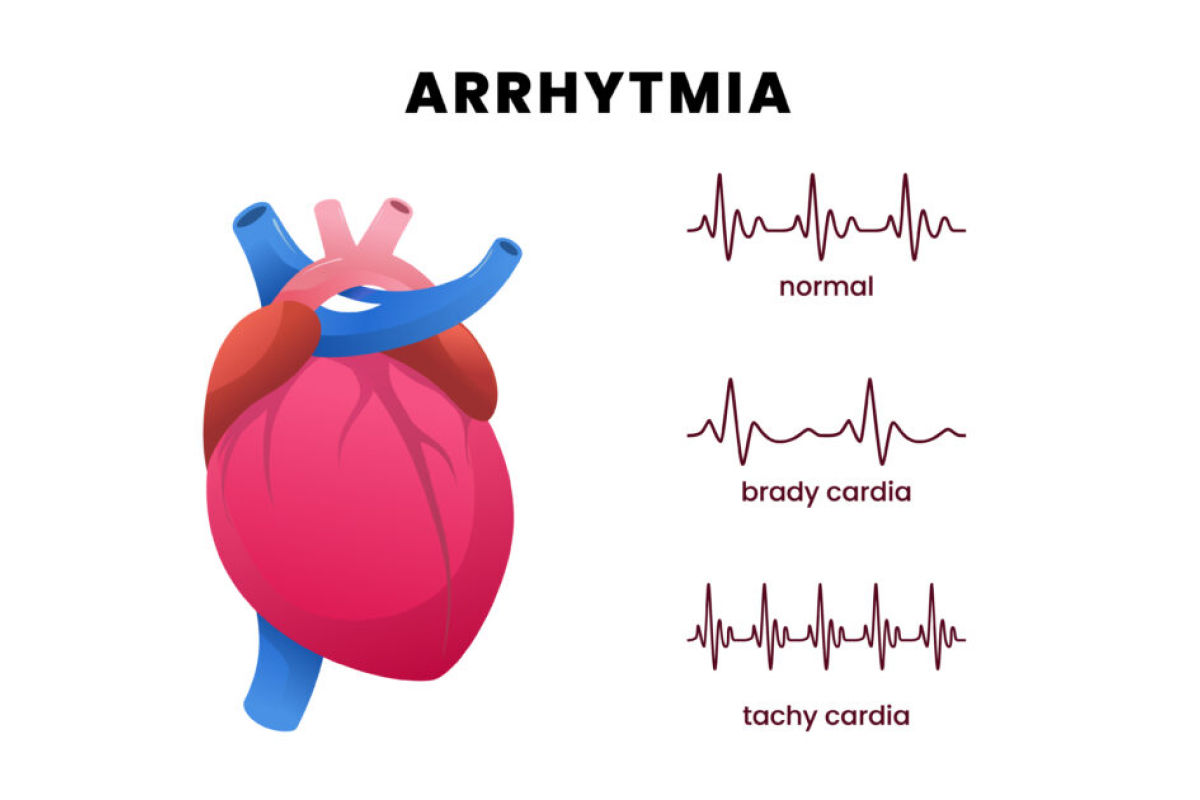
Arrhythmias are irregular heart rhythms that occur when the electrical signals controlling the heartbeat do not work properly. These rhythms can be too fast, too slow, or erratic. While some arrhythmias are harmless and may go unnoticed, others can cause serious health complications if left untreated. Understanding the basics of how the heart’s electrical system functions helps explain why these irregularities happen. It is essential to recognize that arrhythmias are not a single condition but a wide spectrum of rhythm disturbances.
Symptoms You Should Not Ignore
Arrhythmias often show up with noticeable symptoms that can vary depending on the type and severity. Some common warning signs include:
- Rapid heartbeat or palpitations
- Shortness of breath
- Dizziness or lightheadedness
- Chest discomfort
- Fainting spells
Types Of Arrhythmias
Arrhythmias are classified based on where they originate and how they affect heart rhythm. Broadly, they are divided into atrial arrhythmias, which begin in the upper chambers, and ventricular arrhythmias, which occur in the lower chambers. Another category is bradyarrhythmias, where the heart beats abnormally slow. This categorization helps doctors recommend targeted treatments rather than one-size-fits-all solutions.
Atrial Fibrillation (AFib)
Atrial fibrillation is one of the most common arrhythmias, marked by a rapid and irregular beating of the atria. It often leads to poor blood flow and increases the risk of stroke. AFib can be persistent or come and go in short episodes. Triggers may include high blood pressure, excessive alcohol intake, or underlying heart disease. Management options involve medications to control heart rate, procedures like ablation, or anticoagulants to reduce stroke risk.
Atrial Flutter
Atrial flutter is similar to atrial fibrillation but typically produces a more organized rhythm pattern. It occurs when the atria beat too quickly, causing inefficient pumping of blood. Patients may experience palpitations, fatigue, and shortness of breath. Though less chaotic than AFib, atrial flutter can still increase the risk of clot formation and stroke. Treatment options may include medications for rhythm control, cardioversion to restore normal rhythm, or catheter ablation. Physicians often monitor patients closely as atrial flutter can coexist with other forms of arrhythmia.
Supraventricular Tachycardia (SVT)
SVT involves abnormally fast heartbeats that originate in the atria or the AV node. Episodes can start and stop suddenly, often triggered by stress, caffeine, or lack of sleep. While usually not life-threatening, SVT can be uncomfortable and disruptive. Symptoms may include palpitations, dizziness, or chest tightness. Many patients can manage SVT with lifestyle changes and medications, but recurring episodes may require catheter ablation. The condition is more common in younger people and those without structural heart problems.
Ventricular Tachycardia
Ventricular tachycardia (VT) occurs when the ventricles beat rapidly, interfering with proper blood circulation. VT is considered dangerous because it can progress to ventricular fibrillation, a life-threatening emergency. Symptoms include fainting, chest pain, and severe shortness of breath. Causes often involve previous heart attacks, cardiomyopathy, or scarring of heart tissue. Emergency treatment may involve cardioversion, while long-term options include medications or implantable cardioverter-defibrillators (ICDs). VT requires urgent medical attention as delayed intervention can lead to cardiac arrest or sudden death in severe cases.
Ventricular Fibrillation
Ventricular fibrillation (VFib) is one of the most critical arrhythmias, causing rapid and chaotic electrical activity in the ventricles. This prevents the heart from pumping blood effectively, leading to cardiac arrest within minutes if untreated. VFib is often triggered by severe heart disease or a recent heart attack. Symptoms are immediate and severe, with sudden collapse and loss of consciousness. Defibrillation is the only effective emergency response, followed by advanced medical care. Preventive measures include ICDs for high-risk individuals who are prone to recurring episodes.
Bradycardia
Bradycardia refers to a slower-than-normal heart rate, typically under 60 beats per minute. While it can be normal in athletes, in others it may signal underlying heart disease or issues with the heart’s electrical system. Symptoms include fatigue, confusion, dizziness, or fainting. Severe cases may require pacemaker implantation to regulate heartbeat. Common causes include aging, certain medications, or damage from previous heart conditions. Unlike tachycardias, bradycardia can be silent until complications develop.
Selecting the appropriate treatment depends on the type, severity, and underlying cause of arrhythmia. Doctors often combine lifestyle changes, medications, and procedures for best outcomes. Patient age, overall health, and risk factors also influence decisions. In India, cities like Ahmedabad have developed advanced cardiology infrastructure, offering specialized care for rhythm disorders. Patients looking for comprehensive care can access some of the most advanced Arrhythmias Treatment in Ahmedabad, supported by skilled specialists and modern technology.
Diagnostic Methods For Arrhythmias
Arrhythmias are detected using various diagnostic tools. Electrocardiograms (ECG) are the most common, providing a snapshot of heart rhythm. For intermittent episodes, doctors may recommend Holter monitors or event recorders worn for days or weeks. Echocardiograms help evaluate structural issues, while stress tests assess rhythm changes during exercise. Invasive electrophysiology studies may be used to pinpoint the exact source of arrhythmias.
