

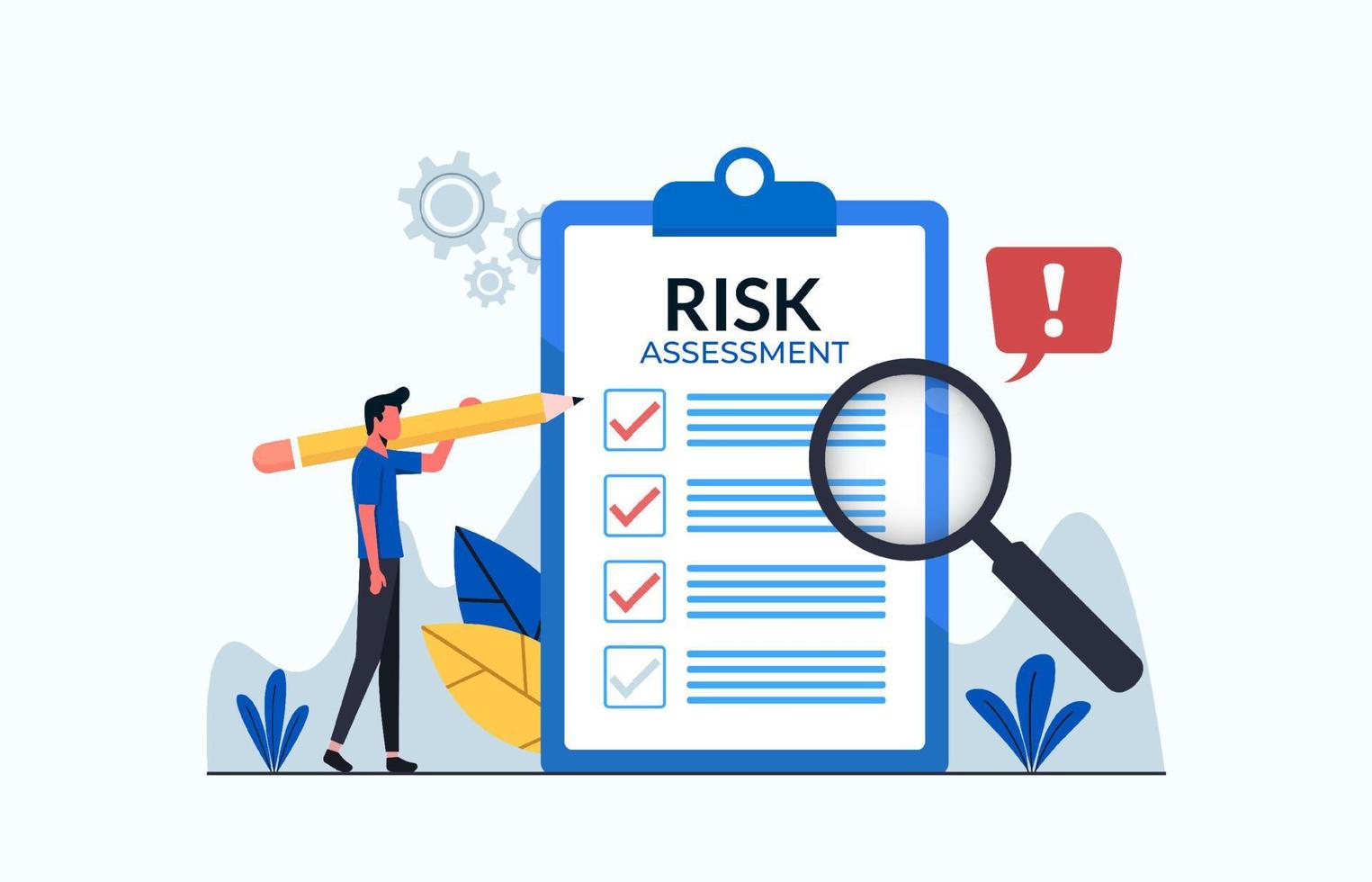
Risk assessments are crucial for ensuring safety in the workplace by identifying and managing potential hazards. This process is mandated by health and safety regulations to minimize risks associated with various work environments and activities. Effective risk assessment helps to identify safety concerns before they result in injuries, providing a proactive approach to hazard management. This includes evaluating the likelihood and severity of risks, and deciding on suitable measures to eliminate or control them.
Utilizing Templates
Risk assessment templates offer a structured way to document potential hazards and implement control measures. These templates are tailored for different scenarios, such as construction sites or office settings, and help businesses adhere to safety regulations effectively. They often include sections for describing the hazard, assessing risk levels, and noting the necessary actions to mitigate these risks. The use of templates can significantly streamline the risk assessment process, ensuring consistency and thoroughness across different areas of a business.
Industry-Specific Assessments
Different industries face unique risks, necessitating specific risk assessment forms. For example, construction risk assessments focus on height and machinery, while landscaping assessments might prioritize outdoor hazards and equipment use. Manufacturing might deal with mechanical and chemical hazards, requiring detailed protocols for handling and exposure. These tailored assessments help businesses address the specific challenges and regulatory requirements of their industries, enhancing safety and compliance.
Specialized Risk Assessments
For handling specific conditions like extreme weather or hazardous substances, specialized risk assessment forms are used. These assessments are critical in industries like agriculture and chemical manufacturing, where workers are frequently exposed to unpredictable and potentially dangerous conditions. By preparing for extreme scenarios, businesses can develop emergency procedures and reduce the impact of such events on their operations and safety.
Accessing Resources
Platforms like Simply Docs provide a variety of risk assessment templates along with guidance for proper completion, helping businesses of all sizes maintain compliance and safeguard employee well-being. These resources are invaluable for small businesses that may not have the expertise to develop these documents from scratch. In addition to templates, these platforms often offer support materials, such as instructional videos and expert advice, to assist in the risk assessment process.
Benefits of Regular Risk Assessment
Regularly conducting risk assessments not only complies with legal requirements but also promotes a culture of safety within the organization. It encourages continuous improvement in safety practices and can significantly reduce the incidence of workplace accidents. Moreover, it helps in identifying areas of improvement for safety training and personnel development, aligning with overall business objectives for quality and productivity.
Conclusion
Implementing thorough and effective risk assessments is key to maintaining a safe working environment and meeting industry standards. By utilizing specialized templates and resources, businesses can effectively manage workplace risks and ensure the well-being of their employees. Regular updates and reviews of risk assessments are essential as they adapt to new challenges and changes within the workplace.
