

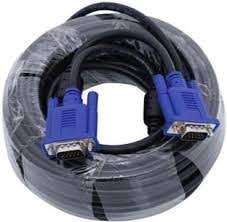
When a network slows down unexpectedly, cabling is rarely the first thing anyone questions as a possible glitch. Routers, switches, and configurations tend to take the blame, yet the physical layer underpins every data transfer across your infrastructure. Cheap cables degrade performance in ways that are genuinely difficult to trace, and the long-term cost of poor-quality wiring often far exceeds whatever savings seemed attractive at the point of purchase.
Many businesses in Kenya approach cabling as a secondary concern, focusing on the ethernet cable price in Kenya rather than what the cable is actually built from. That instinct is understandable given how tight procurement budgets often are. A category label printed on packaging does not guarantee the conductor quality, shielding grade, or twist consistency that separates a capable cable from a persistently problematic one.
The Quiet Performance Killer Hiding in Your Infrastructure
Copper Purity and Its Direct Effect on Transmission Quality: Not all copper conductors are made equal, and the difference becomes apparent once data is pushed across longer cable runs at sustained speeds. Cables built using copper-clad aluminium rather than solid copper introduce resistance increases that contribute to signal attenuation, reducing transmission quality over distance. For businesses depending on consistent cloud access and file transfers, this degradation accumulates quietly across every device connected through that cabling.
Crosstalk and the Interference That Slows Your Entire Network: Poorly twisted wire pairs inside a cable create interference between adjacent conductors, forcing network equipment to request repeated data retransmissions. This slows overall throughput in ways that register as general sluggishness rather than a clear, diagnosable fault. By the time an IT team investigates seriously, the cable sitting in the wall has almost never entered the conversation as a likely cause of the problem.
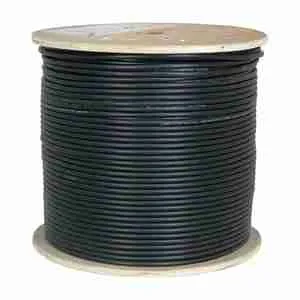
What the Category Label Is Not Telling Your Procurement Team
Performance Claims and the Shortcuts Behind Budget Cable Production: A cable marketed as Cat6 should theoretically support speeds up to ten gigabits over short distances, yet substandard construction makes that specification largely decorative in practice. Manufacturers targeting the lowest possible price point often meet only minimum certification thresholds while compromising on conductor purity, insulation thickness, and the consistency of the wire-twisting process across the entire cable length.
Shielding Standards and Why the Installation Environment Determines Everything: Environments where power cables, fluorescent fittings, and wireless access points run near ethernet cabling are highly susceptible to electromagnetic interference that degrades signal quality progressively. Shielded twisted pair options provide a protective barrier that maintains clean data transmission regardless of what surrounds the cable. Matching shielding specification to the actual installation environment is practical network engineering, not an unnecessary expenditure for businesses running serious daily operations.
Where Weak Cabling Does the Most Structural Damage
High-Demand Office Environments and the Stress They Create: Open-plan offices, call centres, and server rooms place constant demand on network infrastructure simultaneously. A cable that performs acceptably under light traffic begins revealing weaknesses once video conferencing, cloud synchronisation, and large file transfers all compete for bandwidth. The physical layer sets a real ceiling on everything above it, and no investment in faster switches or routers compensates for a compromised cable foundation underneath.
The Gap Between Rated Speed and Actual Delivered Throughput: Network equipment specifications assume that the cabling connecting devices meets proper construction standards throughout. When substandard cables are used, the actual throughput delivered to connected devices drops noticeably below what the hardware is rated to achieve. This gap between promised and delivered performance is among the most frustrating problems in office networking, because standard diagnostic tools rarely point toward the cable as the source of the issue.
The Construction Details That Separate Dependable Cables From the Rest
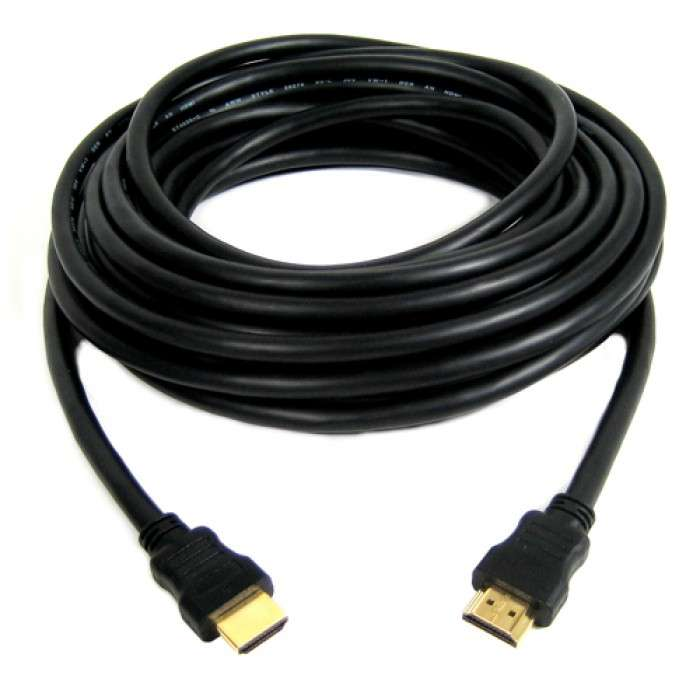
What Reliable Cable Specifications Actually Look Like in Practice: A well-built cable performs consistently because its internal construction has been engineered with purpose. Businesses that prioritise long-term network reliability pay close attention to how cables are built, not simply what they cost at the point of purchase. The difference between a stable network and a frustrating one often comes down to specifications that are invisible on the outside but decisive in performance.
Breaking Down the Specifications That Genuinely Matter for Network Stability:
Focusing on the right construction details before purchasing cabling is what separates functional infrastructure from a recurring maintenance problem:
- Solid copper conductors deliver lower resistance and stronger signal integrity over extended cable runs compared to copper-clad aluminium alternatives, which degrade measurably under sustained load.
- Consistent twist ratios per wire pair reduce crosstalk and maintain signal accuracy across the full length of the cable, particularly important in high-density installation environments.
- Adequate insulation thickness between individual wire pairs prevents internal interference and sustains performance even where cable management is tight and routing conditions are dense.
- Compliance with TIA/EIA or ISO/IEC standards provides independent confirmation that a cable’s construction aligns with its claimed category performance across verified testing conditions.
The True Price of Getting Infrastructure Decisions Wrong
Recurring Network Faults and the Productivity They Quietly Consume: A business that installs substandard cabling rarely experiences one clean, identifiable failure it can diagnose and correct permanently. Intermittent dropouts, unexplained packet loss, and sluggish file transfers become persistent background problems that nobody can definitively explain. IT staff spend hours chasing symptoms rather than causes, and the cumulative cost in lost productivity and delayed operations often far exceeds what proper cabling would have required from the outset.
Why Cost Cuts at the Foundation Create the Most Expensive Long-Term Outcomes: Infrastructure decisions made during office fit-outs tend to remain in place for many years without replacement. A poorly specified cable run quietly undermines the performance of every device connected through it for the entire lifespan of that installation. Businesses that invest appropriately in quality cabling from the start avoid a sustained cycle of unexplained faults, troubleshooting costs, and the operational drag that substandard physical infrastructure reliably creates over time.
Build the Network Your Business Operations Genuinely Deserve
Evaluating the physical infrastructure behind your network is one of the most practical steps a business can take toward consistent, reliable performance. If your team regularly experiences unexplained slowdowns, intermittent connectivity, or recurring link failures, the cabling layer is the most logical starting point for any serious audit. Reach out to a qualified IT solutions provider to assess your current installation and explore structured cabling options that genuinely match your operational demands and long-term capacity requirements.
