

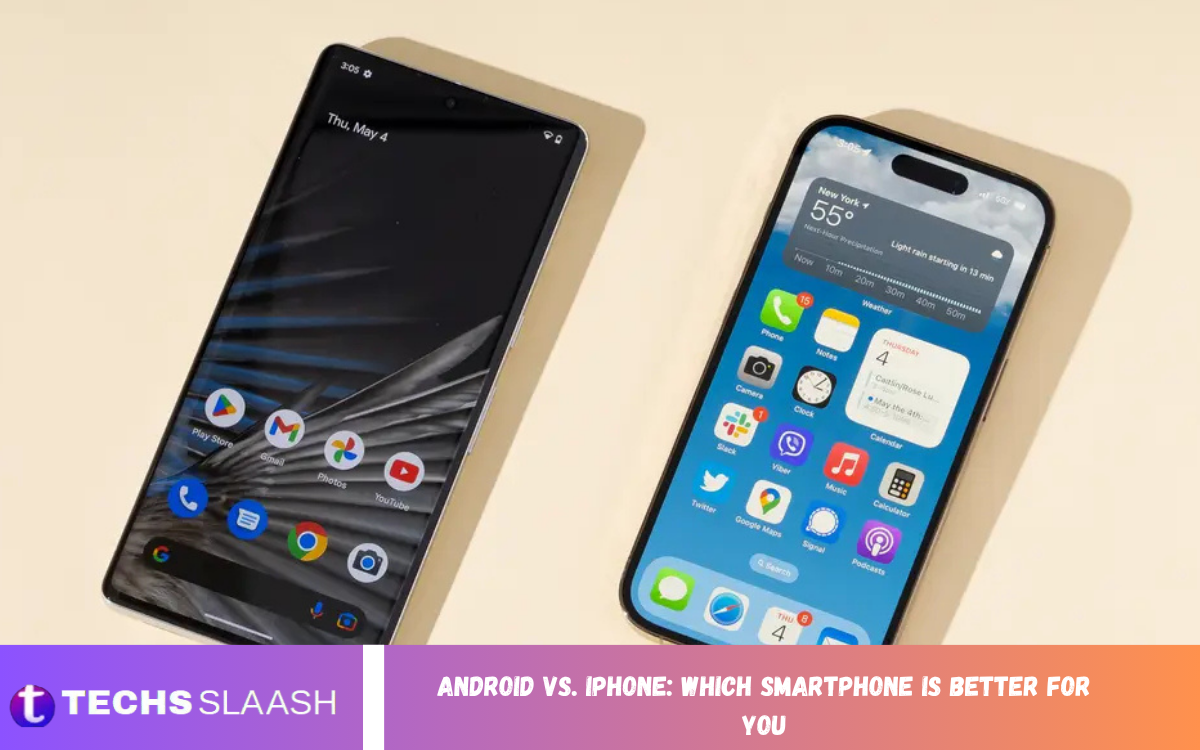
Choosing between Android and iPhone is one of the most common decisions for smartphone buyers. Both platforms offer powerful performance, excellent cameras, modern designs, and useful features, but they approach the smartphone experience differently.
Android provides greater freedom, customization, hardware variety, and price flexibility, while iPhone focuses on simplicity, long-term software support, security, and close integration with Apple’s ecosystem. Understanding these differences can help you choose the phone that matches your lifestyle, budget, and daily requirements.
Design and Build Quality
Android smartphones are available in many different designs, sizes, materials, and price ranges. From affordable models to premium flagship devices, Android manufacturers offer different approaches to displays, camera layouts, folding screens, charging systems, and physical designs.
iPhones generally follow a more consistent design philosophy, with premium materials and a recognizable appearance across generations. Apple focuses heavily on build quality and hardware-software integration, making the iPhone attractive to users who prefer a polished and consistent smartphone experience.
Performance and Speed
When comparing Android vs. iPhone performance, both platforms can provide excellent speed. High-end Android phones use powerful processors and large amounts of RAM, making them capable of handling gaming, multitasking, video editing, and demanding applications.
iPhones are known for strong processor performance and efficient integration between Apple’s hardware and iOS. Even when an iPhone has different memory specifications from an Android phone, its optimized software can deliver smooth everyday performance and strong gaming capabilities.
Operating System and User Experience
Android offers a flexible operating system that gives users considerable control over their phones. Users can customize home screens, widgets, launchers, default applications, notifications, and many other elements of the interface.
iOS is designed around simplicity and consistency. The interface is relatively straightforward, and Apple controls both the hardware and operating system, creating a predictable experience across compatible devices. This can be particularly appealing to users who want a phone that is easy to learn and operate.
Camera Quality and Photography
Android smartphones offer an impressive range of camera systems. Depending on the manufacturer and model, users can find phones with high-resolution sensors, telephoto cameras, ultra-wide lenses, advanced night photography, and sophisticated computational photography features.
The iPhone is also highly regarded for photography and especially video recording. Apple emphasizes consistent image processing, natural colors, reliable autofocus, and strong video capabilities. However, camera quality varies by individual model, so comparing specific phones is more useful than judging the entire platform.
Battery Life and Charging
Battery performance depends heavily on the specific smartphone, processor, display, battery capacity, and software optimization. Many Android manufacturers offer large batteries and fast charging technologies, which can be beneficial for users who frequently charge their phones during busy days.
iPhones can also provide strong battery endurance, particularly on newer models with efficient processors. Charging technology differs across Android and iPhone devices, so buyers who prioritize very fast charging should compare the specifications of individual models before making a decision.
App Selection and Software Support
Both Android and iPhone provide access to millions of applications through their respective app stores. Popular social media, productivity, entertainment, banking, communication, and gaming apps are available on both platforms.
One major advantage of iPhone is Apple’s reputation for long-term software support across compatible devices. Android manufacturers have also significantly improved update policies, although the length and speed of updates can vary between brands and individual models.
Customization and Personalization
Customization is one of Android’s strongest advantages. Users can often change launchers, icons, widgets, default applications, home-screen layouts, notification behavior, and other interface elements according to their preferences.
iOS has become more customizable over time, with widgets, lock-screen personalization, wallpapers, and other features available to users. However, Android generally remains the better choice for people who want extensive control over how their smartphone looks and behaves.
Security and Privacy
Security is an important consideration when choosing a smartphone. Both Android and iOS include security features designed to protect user information, applications, accounts, and personal data from common threats.
Apple places strong emphasis on privacy and controlled software distribution, while Android provides security features alongside greater platform flexibility. Regardless of the operating system, users should keep their devices updated, use strong passwords, enable multi-factor authentication, and install applications from trusted sources.
Gaming Experience
Android provides an enormous selection of gaming smartphones and standard flagship devices capable of delivering excellent gaming performance. Some Android manufacturers include features such as high-refresh-rate displays, advanced cooling systems, gaming modes, and large batteries.
The iPhone is also a powerful gaming platform, particularly because of Apple’s strong mobile processors and optimized applications. Many major games are available on both platforms, but performance can vary depending on the specific device, game optimization, and graphics settings.
Price and Value for Money
Android has a major advantage when it comes to price variety. Buyers can find affordable smartphones for basic communication as well as premium flagship devices with advanced cameras, powerful processors, and high-quality displays.
The iPhone generally occupies the mid-range to premium portion of the smartphone market, although older models can sometimes provide a more accessible entry point. For buyers with a strict budget, Android usually provides more choices and specifications across different price categories.
Ecosystem and Device Compatibility
Apple’s ecosystem is one of the biggest reasons people choose an iPhone. Users who already own products such as a Mac, iPad, Apple Watch, or AirPods can benefit from features that allow different devices to work together seamlessly.
Android also works with a broad range of products, including Windows computers, smart TVs, tablets, earbuds, watches, and other accessories. Its wider hardware ecosystem provides more choice, although the level of integration can differ depending on the manufacturers and devices involved.
Read Also: Windows 11 Tips and Tricks for Better Performance and Productivity
Storage and Connectivity
Android smartphones often provide different storage configurations, and some models may offer expandable storage through memory cards. This can be useful for users who store large numbers of photos, videos, documents, or offline media.
iPhones typically rely on internal storage rather than expandable memory. Buyers therefore need to select an appropriate storage capacity when purchasing the device. Cloud storage can provide an additional solution, but users should consider their long-term storage requirements before choosing a model.
Android vs. iPhone for Students
Students often need a smartphone for communication, online learning, note-taking, productivity, photography, entertainment, and research. Android can be an attractive option because it offers devices at many price points and provides extensive customization.
An iPhone can be a strong choice for students who value long-term software support, reliable performance, simple operation, and integration with other Apple devices. The best option depends largely on budget and the technology ecosystem the student already uses.
Android vs. iPhone for Professionals
Professionals often prioritize reliability, security, communication, productivity, and compatibility with work applications. iPhone can provide a streamlined experience, especially for users already working with Apple’s ecosystem and services.
Android can be equally useful for professionals who need customization, multitasking features, file management flexibility, or integration with a variety of hardware and software environments. Business users should consider the specific applications and services required for their work.
Android vs. iPhone for Everyday Users
For everyday users, both platforms can handle calls, messaging, social media, photography, streaming, browsing, navigation, and general productivity. The decision often comes down to personal preferences rather than basic capability.
Choose Android if you want more hardware choices, customization, flexible pricing, and additional control over your smartphone. Choose iPhone if you prefer a simple interface, strong ecosystem integration, consistent performance, and Apple’s approach to privacy and software updates.
Which Smartphone Is Better for You?
There is no universal winner in the Android vs. iPhone debate because the better smartphone depends on your personal needs. Android is particularly attractive to people who value flexibility, customization, hardware variety, and different price options.
iPhone may be better for users who want simplicity, premium hardware, long-term software support, strong video capabilities, and seamless integration with other Apple products. Instead of choosing based only on brand popularity, consider your budget, preferred features, existing devices, and everyday smartphone habits.
How to Choose Between Android and iPhone
Start by determining your budget and the features that matter most to you. Consider camera performance, battery life, charging speed, display quality, gaming performance, storage, software updates, and the applications you use regularly.
You should also consider your existing devices. If you already use several products from one ecosystem, staying within that ecosystem may provide a more convenient experience. Ultimately, the best smartphone is the one that provides the features you need without making you pay for features you will rarely use.
Frequently Asked Questions
Is Android better than iPhone?
Android can be better for users who want customization, hardware variety, flexible pricing, and greater control over their device. However, iPhone can be better for users who prefer simplicity, ecosystem integration, and Apple’s software experience.
Is iPhone faster than Android?
Both can be extremely fast. High-end Android phones and newer iPhones offer powerful processors and smooth performance, so the difference depends on the specific models being compared rather than the operating system alone.
Which has a better camera, Android or iPhone?
Both platforms offer excellent cameras. Some Android flagship phones excel in zoom and photography flexibility, while iPhones are particularly well known for consistent photography and strong video recording.
Which is more secure, Android or iPhone?
Both Android and iOS include strong security features. Apple emphasizes controlled software distribution and privacy, while Android provides extensive security protections across a wide range of devices.
Is Android cheaper than iPhone?
Android generally offers more choices at lower prices. There are affordable Android smartphones as well as premium models, while iPhones are typically positioned toward the mid-range and premium segments.
Which phone has better battery life?
Battery life depends on the specific model, processor, display, battery capacity, and software optimization. Both Android and iPhone devices can offer excellent battery performance.
Which is better for gaming?
Both platforms provide excellent gaming experiences. High-end Android phones may offer specialized gaming features, while iPhones benefit from powerful processors and strong game optimization.
Can Android and iPhone use the same apps?
Many popular applications are available on both Android and iPhone. However, certain applications or features may be exclusive to one platform, so users should check the apps they rely on before switching.
Which is easier to use, Android or iPhone?
iPhone is often considered easier for users who prefer a simple and consistent interface. Android can take more time to explore because it provides more customization and configuration options.
Should I buy Android or iPhone?
Your choice should depend on your budget, preferred features, existing devices, and personal preferences. Android is ideal for flexibility and variety, while iPhone is a strong option for simplicity, ecosystem integration, and long-term software support.
Conclusion
The question of Android vs. iPhone: Which Smartphone Is Better for You does not have a single answer. Both platforms have developed into powerful smartphone ecosystems capable of handling communication, entertainment, productivity, photography, gaming, and everyday tasks.
Android stands out for customization, hardware diversity, pricing options, and flexibility, while iPhone offers a polished user experience, strong performance, ecosystem integration, and a consistent approach to software and privacy.

1 Comment
Pingback: Best PC Software for Productivity, Performance, and Everyday Use - Techsslaash.com