

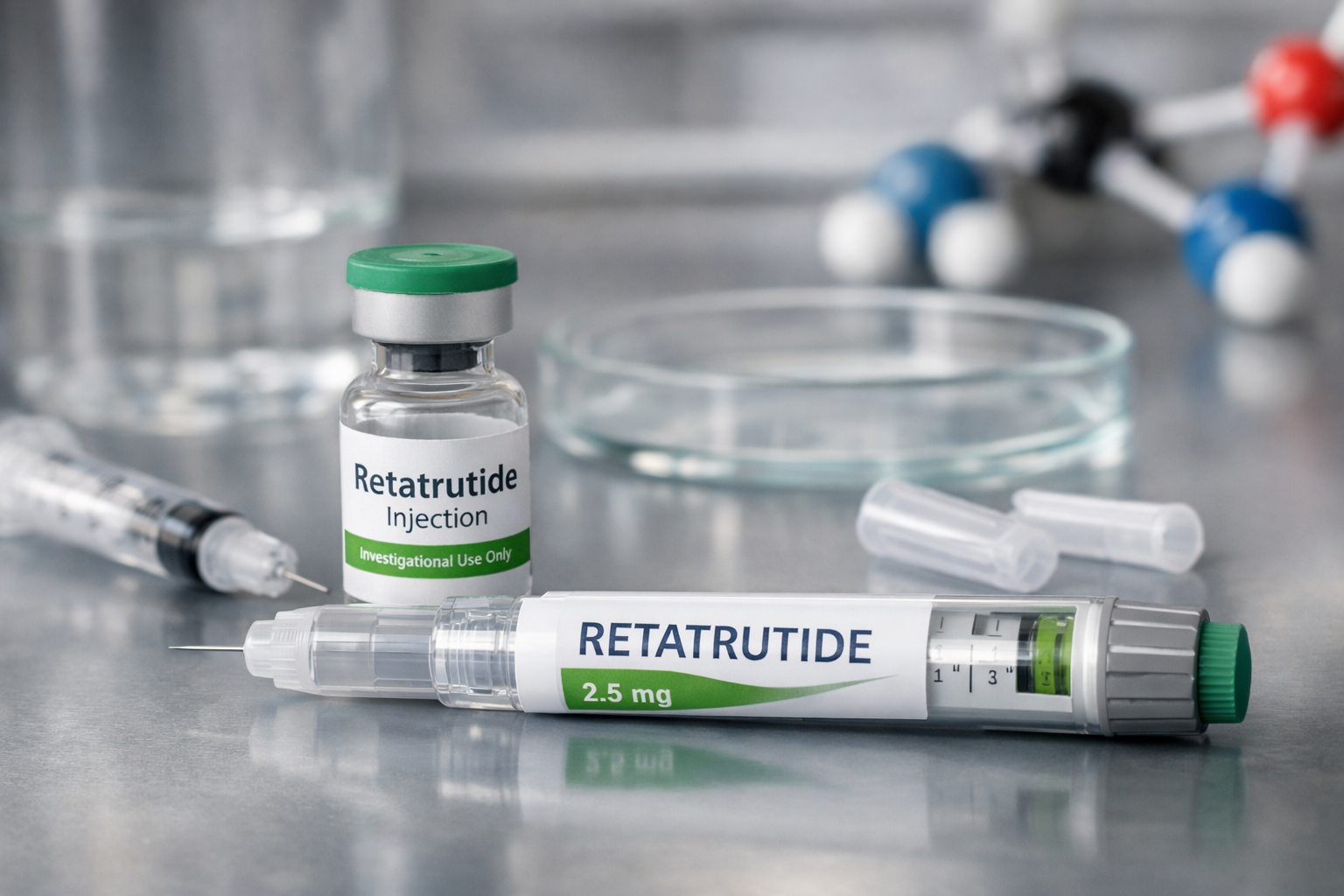
Starting a new weight loss or metabolic management protocol brings a mix of optimism and adjustment. Among the latest generation of investigational triple-hormone receptor agonists, retatrutide has drawn considerable attention for its novel mechanism targeting GLP-1, GIP, and glucagon pathways. However, as with many advanced metabolic compounds, gastrointestinal adjustments particularly nausea are among the most commonly reported early side effects.
If you experience mild to moderate stomach discomfort after beginning treatment or stepping up your dosage, you are not alone. Gastrointestinal symptoms are a recognized biological response as the digestive tract adapts to altered hormonal signaling. Understanding why retatrutide induces nausea, how long these symptoms typically last, and how to implement proactive daily management strategies can help you comfortably navigate the adjustment window.
For researchers and individuals exploring modern peptide science, taking time to Buy Peptides from reputable, transparent sources ensures you receive verifiable compounds free from impurities that might otherwise exacerbate digestive sensitivity.
Why Retatrutide Triggers Gastrointestinal Nausea
To manage nausea effectively, it helps to understand the underlying physiological mechanisms driving the sensation. Retatrutide belongs to an advanced class of multi-target incretin mimetics designed to interact with receptors throughout the gastrointestinal tract and central nervous system.
Retatrutide Administration
│
▼
Triple Hormone Receptor Activation
(GLP-1 / GIP / Glucagon)
│
▼
Delayed Gastric Emptying
│
▼
Altered Gut Motility & Satiety
│
▼
Transient Gastrointestinal Nausea
1. Delayed Gastric Emptying
The primary mechanism behind appetite suppression is delayed gastric emptying. Retatrutide slows the rate at which food moves from the stomach into the small intestine. While this helps maintain satiety on smaller meal volumes, food remaining in the stomach longer can create feelings of fullness, pressure, and mild nausea especially after larger or higher-fat meals.
2. Systemic Receptor Activation
Receptors for GLP-1 and GIP are expressed throughout the entire gastrointestinal tract, as well as in areas of the brain that regulate nausea and satiety. When these receptors are stimulated, the digestive system shifts its baseline motility patterns, fluid absorption rates, and muscle contractions.
3. Dosage Escalation Sensitivity
Gastrointestinal side effects are typically dependent. Symptoms are most prevalent when initiating therapy or immediately following a dose increase. When working with research-grade materials like Retatrutide 10mg Pure Peptides, adhering strictly to recommended dose-escalation protocols provides the central nervous system and digestive tract adequate time to adapt.
The Typical Timeline: How Long Does Nausea Last?
For the vast majority of individuals, retatrutide-associated nausea is transient. Clinical trial data indicates that gastrointestinal side effects peak during the initial initiation phase and gradually taper off as metabolic adaptation occurs.
| Phase of Protocol | Typical Symptoms | Primary Focus |
|---|---|---|
| Weeks 1 to 3 (Initiation) | Mild to moderate transient nausea, early fullness | Hydration, smaller meal sizes, bland foods |
| Dose Escalation Windows | Brief recurrence of mild stomach awareness (1–3 days) | Slower escalation, meal tracking |
| Maintenance Phase | Minimal to no persistent nausea | Sustained nutritional alignment & balance |
Each incremental dose step-up may bring a temporary return of mild digestive awareness, but subsequent episodes are almost universally shorter and less intense than the initial week. If nausea persists for three to four weeks at a constant, unchanged dose without sign of improvement, it warrants a consultation with a prescribing clinician to adjust the escalation rate.
Practical Daily Strategies to Manage Stomach Discomfort
Managing nausea during the adaptation phase does not require complex interventions. Simple adjustments to meal timing, hydration habits, and food selection can significantly reduce digestive strain.
1. Optimize Hydration Hygiene
Dehydration exacerbates nausea and can trigger secondary symptoms such as headaches or lightheadedness.
- Drink at least 64 ounces of water daily.
- Sip small amounts consistently throughout the day rather than drinking large volumes quickly with meals, which can overfill a slow-emptying stomach.
- Incorporate electrolyte solutions if liquid intake feels difficult.
2. Shift to Smaller, Frequent Meals
Consuming three traditional, large meals can easily overload a digestive system operating on slowed motility. Splitting daily nutrition into four to five smaller, nutrient-dense meals prevents excessive gastric distension and stabilize blood sugar.
3. Eliminate High-Fat and Heavy Trigger Foods
High fat, fried, or heavily spiced foods naturally delay gastric emptying even further, compounding nausea. During initiation and dose step-ups, focus on easily digestible, bland options such as lean poultry, white rice, oats, broths, and cooked vegetables.
4. Adjust Dietary Fiber Gradually
While dietary fiber is vital for overall gut health, rapidly increasing fiber intake while starting retatrutide can cause bloating and gas. Scale up fiber intake incrementally over several weeks to allow gut bacteria to adapt.
5. Track Symptoms and Patterns
Keeping a basic log of meal timing, food choices, liquid intake, and symptom occurrence helps identify specific personal triggers. If browsing specialized catalog listings for Peptides for Sale, ensuring your overall metabolic program is guided by clear data, and professional oversight yields the safest outcomes.
When to Seek Medical Guidance
While mild, temporary nausea is an expected part of the adaptation process, severe or prolonged symptoms require clinical evaluation. Contact a supervising medical provider immediately if you experience:
- Persistent vomiting or inability to retain fluids for more than 24 hours.
- Severe, localized abdominal pain or sharp cramping.
- Signs of systemic dehydration, including dark urine, dizziness, confusion, or dry mouth.
- Unexplained fever or blood present in vomit or stool.
A qualified healthcare provider can slow down your dose-escalation schedule, temporarily decrease your maintenance dose, or recommend targeted anti-nausea supportive measures to keep your protocol comfortable and safe.
Conclusion
Nausea associated with retatrutide is a manageable, temporary side effect driven by altered gut motility and incretin receptor activation. Rather than indicating an issue with treatment efficacy, transient nausea simply reflects active biological engagement while your body adjusts to new signaling pathways.
By prioritizing consistent hydration, reducing meal portions, avoiding heavy trigger foods, and adhering to slow, structured dose escalation, you can comfortably navigate the adjustment window and focus on achieving long-term health and metabolic goals.
