

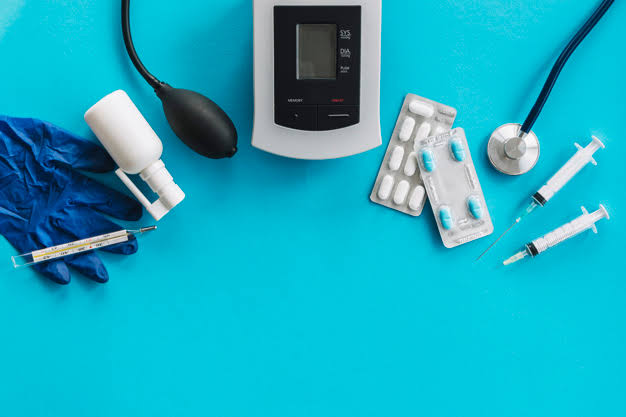
Medical devices play an important role in modern healthcare. They help doctors diagnose illnesses, support patients during treatment, monitor health conditions, and improve quality of life. Examples include surgical instruments, heart monitors, infusion pumps, diagnostic equipment, wearable health trackers, and drug-delivery systems.
However, developing a medical device involves much more than creating a useful product. Companies must prove that the device is safe, effective, reliable, and compliant with regulatory requirements. They must also build strong quality systems, prepare technical documents, manage suppliers, conduct testing, and respond to changing regulations.
This process can become difficult when an organization lacks the right expertise or enough qualified team members. Working with an experienced partner such as Ventura Solutions can help medical device and pharmaceutical companies manage product development, regulatory compliance, staffing, remediation, and professional training throughout the product life cycle.
Understanding the Medical Device Product Life Cycle
A medical device passes through several stages before and after it reaches the market. Each stage requires careful planning and documentation.
The main stages usually include:
- Product concept and early research
- Design and development
- Testing and verification
- Regulatory submission
- Manufacturing and commercial launch
- Post-market monitoring
- Product updates or retirement
Mistakes made during one stage can affect later activities. For example, unclear product requirements during early development may lead to testing failures, design changes, and regulatory delays.
Companies can reduce these risks by building a clear development plan from the beginning.
Starting With a Strong Product Strategy
Before designing a medical device, the development team must clearly understand the problem the product will solve.
Important questions include:
- Who will use the device?
- Where will it be used?
- What medical need does it address?
- What risks could users face?
- How will the device improve current care?
- Which regulations and standards may apply?
- Can the product be manufactured at a reasonable cost?
These questions help shape the device’s intended use, design requirements, regulatory pathway, and business strategy.
A strong product strategy also helps companies avoid investing heavily in an idea that may not be technically practical or commercially successful.
Why Design and Development Controls Matter
Medical device development must follow a structured process. Design controls help companies manage how a product is planned, created, reviewed, tested, and changed.
Common design control activities include:
Defining User Needs
User needs describe what patients, healthcare professionals, or caregivers expect from the device.
For example, a home-use injector may need to be:
- Easy to hold
- Simple to activate
- Safe to dispose of
- Clear in showing that the dose was delivered
- Suitable for users with limited hand strength
Creating Design Inputs
Design inputs turn user needs into clear and measurable technical requirements.
Instead of saying that a device should be “easy to use,” the team should define specific requirements that can be tested.
Managing Design Risks
Risk management identifies possible hazards and evaluates how they can be prevented or reduced.
Risks may involve:
- Incorrect dosing
- Electrical failure
- Software errors
- Material incompatibility
- Device breakage
- User confusion
- Contamination
Risk management should continue throughout the product’s life cycle.
Documenting Design Decisions
Development records help show why decisions were made and how the product meets its requirements. Weak or missing documentation can create problems during audits and regulatory reviews.
Verification and Validation Before Launch
Testing is a major part of medical device development.
Design Verification
Verification confirms that the device meets its technical requirements.
Examples include testing:
- Dimensions
- Strength
- Battery life
- Dose accuracy
- Alarm functions
- Software performance
- Packaging integrity
Design Validation
Validation confirms that the device meets user needs and works properly for its intended purpose.
This may involve usability studies, simulated-use testing, and testing under conditions similar to real-world use.
Verification asks, “Did we build the product correctly?”
Validation asks, “Did we build the correct product for the user?”
Both activities are important before regulatory submission and commercial launch.
Meeting Regulatory and Quality Requirements
Medical device companies must follow requirements established by authorities such as the US Food and Drug Administration, European regulators, and other global agencies.
The exact requirements depend on:
- Device classification
- Intended use
- Level of risk
- Technology
- Target market
- Whether the device includes software or a drug component
A company may need to prepare technical documentation, conduct clinical evaluations, complete risk files, validate manufacturing processes, and provide evidence of product safety and performance.
A quality management system supports these activities by controlling documents, complaints, supplier quality, training, corrective actions, and product changes.
Because regulations continue to change, companies must regularly review and update their systems.
How Staffing Gaps Can Slow Development
Medical device programs often require specialized professionals, including:
- Quality engineers
- Regulatory specialists
- Design engineers
- Clinical experts
- Validation engineers
- Human factors specialists
- Project managers
- Manufacturing experts
Smaller companies may not need all of these roles permanently. Larger companies may face temporary staffing shortages during product launches, audits, remediation projects, or regulatory submissions.
Specialized staffing and recruiting services can help companies access qualified professionals without delaying important work.
The right expert can also help internal teams solve complex problems, complete documentation, and prepare for inspections.
Addressing Compliance Problems Through Remediation
Even established medical device companies can experience compliance gaps.
Common issues include:
- Incomplete design history files
- Missing risk management records
- Weak supplier controls
- Unresolved audit findings
- Outdated procedures
- Inadequate corrective actions
- Incomplete verification records
- Poor document traceability
Remediation is the process of correcting these problems and bringing records or systems back into compliance.
A strong remediation program should include:
- A detailed gap assessment
- Prioritization based on risk
- A realistic correction plan
- Clear roles and responsibilities
- Updated procedures and records
- Effectiveness checks
- Ongoing management review
Remediation should not focus only on fixing documents. It should also address the process failures that caused the gaps.
Building Stronger Teams Through Training
Regulatory compliance depends on people understanding their responsibilities.
Training can help employees improve their knowledge of:
- Design controls
- Risk management
- Regulatory submissions
- Quality systems
- Human factors
- Complaint handling
- Corrective and preventive actions
- Verification and validation
Training is especially valuable when regulations change, new employees join the company, or teams begin working on unfamiliar products.
Effective training should include practical examples and role-specific guidance. Employees should understand not only what a procedure says, but also why it matters.
Supporting Medical Device Success at Every Stage
Bringing a medical device to market requires technical knowledge, regulatory planning, strong quality systems, qualified professionals, and continuous training.
Companies that plan early and involve the right experts are better prepared to avoid testing failures, compliance gaps, and costly launch delays. They can also respond more effectively when regulations change or existing products require remediation.
Ventura Solutions supports medical device and pharmaceutical organizations through consulting, staffing, recruiting, remediation, and training services. By providing specialized support across the product life cycle, Ventura Solutions helps companies accelerate development, strengthen compliance, and keep valuable medical products available to patients.
Frequently Asked Questions
1. What is considered a medical device?
A medical device is an instrument, machine, implant, software product, or similar item used to diagnose, prevent, monitor, or treat a medical condition.
2. Why do medical devices require regulatory approval?
Regulatory review helps confirm that a device is safe, performs as intended, and has been developed under appropriate quality controls.
3. What is medical device remediation?
Remediation involves correcting gaps in documentation, quality systems, design records, or regulatory compliance. It may be needed after an audit, inspection, or internal assessment.
4. When should a company hire outside medical device experts?
Outside experts can help when a company lacks specialized knowledge, faces a temporary staffing shortage, prepares for a submission, or needs support with remediation and compliance.
5. Why is employee training important in medical device companies?
Training helps employees understand quality and regulatory responsibilities. It can reduce mistakes, improve documentation, and support safer and more reliable products.
