

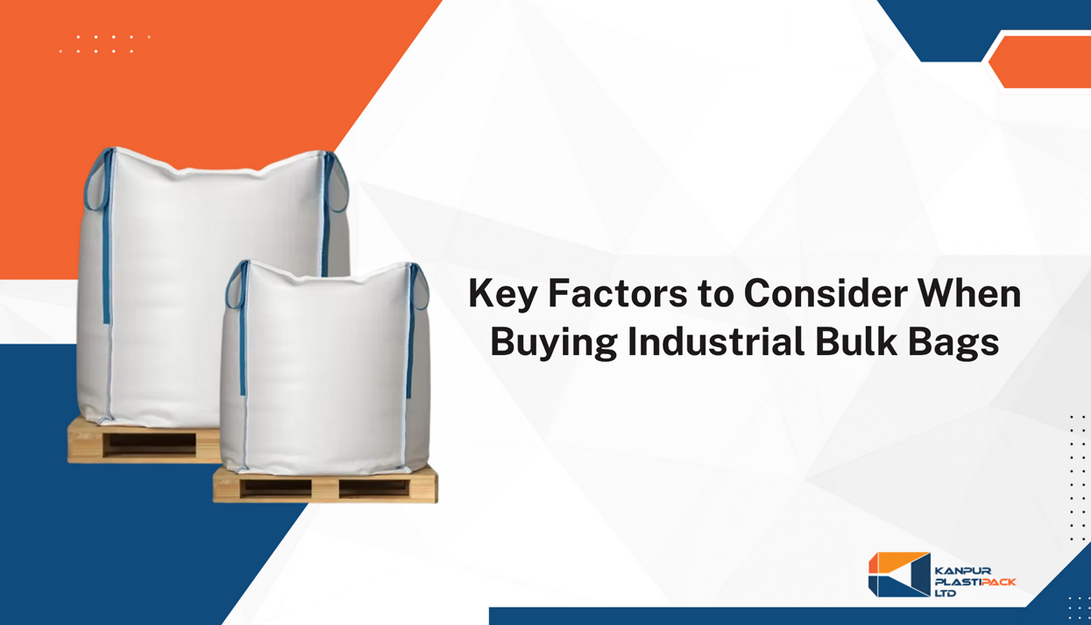
The global supply chain is a marvel of engineering, a vast network that ensures materials move from points of origin to processing centers and ultimately to consumers with maximum efficiency. At the heart of this movement, particularly for dry, flowable materials, lies a versatile and indispensable tool known as the Flexible Intermediate Bulk Container (FIBC). Commonly referred to as a bulk bag, this industrial packaging solution has revolutionized the way we handle, store, and transport everything from fine pharmaceutical powders to heavy construction aggregates. As we navigate the complexities of 2026, where sustainability and logistical optimization are paramount, the role of these high-capacity containers has become more critical than ever. Understanding the technical specifications, safety protocols, and diverse applications of these bags is essential for any business looking to streamline its operations and protect its bottom line.
The Engineering and Material Science of High Capacity Containers
A standard industrial bulk container is much more than a large sack; it is a precision-engineered piece of equipment designed to withstand immense stress while maintaining structural integrity. Most of these containers are manufactured from woven polypropylene (PP) strips. Polypropylene is chosen for its exceptional strength-to-weight ratio, its resistance to moisture and chemicals, and its inherent flexibility. The “weave” of the fabric is critical, as it determines the Safe Working Load (SWL) of the container, which can range from 500 kg to over 2,000 kg.
In 2026, advancements in polymer science have led to the development of enhanced UV-stabilized fabrics. Since many industrial sites store materials outdoors, protection against ultraviolet degradation is vital to prevent the fabric from becoming brittle and failing under load. Furthermore, the internal architecture of the bag—such as the use of baffles—allows it to maintain a square shape even when filled to capacity. This “form-stable” design is crucial for maximizing space in shipping containers and warehouses, as it prevents the “bulging” effect that can lead to unstable stacks and wasted volume.
Categorization by Electrostatic Properties
In many industrial environments, the movement of dry powders can generate significant static electricity through friction. If not managed correctly, this static discharge can lead to dust explosions or fires, particularly in the presence of flammable vapors. To mitigate these risks, the industry categorizes every bulk bag into one of four types based on its electrostatic properties.
Type A bags are made from standard insulating fabric and provide no static protection; they are used for non-flammable materials in non-explosive environments. Type B bags are similar but have a lower breakdown voltage to prevent “brush discharges.” Type C bags, or “Conductive” bags, contain interconnected conductive threads and must be grounded during filling and discharging. Finally, Type D bags are made from “Dissipative” fabric that safely releases static into the atmosphere without the need for a grounding wire. Choosing the correct type is not just a matter of efficiency; it is a fundamental safety requirement that protects personnel and property in high-risk zones.
The Critical Importance of the Safety Factor
When discussing the load-bearing capacity of industrial packaging, the “Safety Factor” (SF) is perhaps the most important metric. For single-use or “trip” bags, the standard ratio is 5:1. This means that a bag rated for a Safe Working Load of 1,000 kg has been tested to withstand a load of 5,000 kg before failing. For multi-use or “heavy-duty” bags, the ratio is typically 6:1.
This margin of safety is necessary to account for the dynamic forces that occur during transport. When a forklift stops suddenly or a truck hits a pothole, the “G-forces” acting on the loops and fabric can far exceed the static weight of the material. Following these ratios ensures that even under stress, the container remains intact. It is a strict industry standard that operators never exceed the SWL printed on the bag’s certification label, as doing so voids the safety guarantees and puts the entire logistical chain at risk.
Diverse Applications Across Major Industries
The versatility of the FIBC is demonstrated by its wide adoption across seemingly unrelated sectors. In the agricultural industry, these containers are used for the bulk transport of seeds, grains, and fertilizers. The breathability of the woven fabric is particularly beneficial for organic products, as it prevents the buildup of moisture that can lead to mold or spoilage. In the food industry, specialized “Food Grade” bags are manufactured in ultra-clean facilities to ensure that no contaminants or loose fibers enter the supply chain.
The construction and mining sectors utilize these bags for the movement of sand, gravel, and ores. In these rugged environments, the durability of the polypropylene fabric is tested to its limits. Meanwhile, the chemical and pharmaceutical industries rely on the aforementioned electrostatic-safe bags to move volatile powders. The ability to customize the filling and discharging mechanisms—such as using “spout tops” or “conical bottoms”—allows these industries to integrate the bags directly into automated production lines, reducing manual handling and improving worker safety.
Sustainability and the Circular Economy in Packaging
As the global community moves toward more sustainable industrial practices, the lifecycle of packaging has come under intense scrutiny. Polypropylene is a recyclable thermoplastic, and in 2026, the infrastructure for recycling used industrial bags has expanded significantly. Many companies now implement “Closed Loop” systems where used bags are collected, cleaned, shredded, and pelletized to create new plastic products or even new bags.
Furthermore, the shift toward multi-trip bags (6:1 SF) is an environmentally conscious choice. By designing a container that can be safely reused multiple times, businesses significantly reduce their total plastic consumption and waste output. This commitment to the circular economy is no longer an optional “green” initiative; it is a core component of modern corporate responsibility and helps businesses comply with increasingly strict environmental regulations regarding industrial waste management.
Optimization of Warehouse and Transport Logistics
One of the most significant advantages of using bulk containers is the optimization of space. Before the widespread adoption of the FIBC, materials were often moved in smaller 25 kg sacks stacked on pallets. This was labor-intensive and resulted in significant “dead space” on the pallet. A single large container can replace forty of these smaller sacks, drastically reducing the time required for loading and unloading.
The square footprint of modern form-stable bags allows them to be stacked two or three high in a warehouse, effectively tripling the storage capacity of the same floor area. In sea freight, this translates to more tons of material per shipping container, which reduces the carbon footprint per ton and lowers overall shipping costs. In an era of fluctuating fuel prices and port congestion, the ability to move more material in fewer movements is a decisive competitive advantage.
Conclusion: A Future Defined by Efficiency and Safety
In conclusion, the bulk container has evolved from a simple industrial tool into a sophisticated component of the global logistics machine. Its ability to safely hold and transport vast quantities of material while remaining lightweight and flexible is a testament to modern engineering. From the pharmaceutical clean room to the rugged mining site, these bags provide a reliable, cost-effective, and increasingly sustainable solution for the world’s most demanding industries.
As we look toward the future, the integration of “Smart” technology—such as RFID tags for real-time tracking and sensors to monitor internal temperature or moisture—will further enhance the utility of these containers. However, the core principles of strength, safety, and reliability will remain unchanged. By understanding and respecting the technical requirements of these indispensable tools, businesses can ensure that their materials move safely across the globe, powering the industries that define our modern world. The humble bulk bag, through its strength and simplicity, continues to carry the weight of global commerce on its shoulders.
